



Bruges (Eurotoday): After twenty years, Bruges is stopping evening waste collection to improve cleanliness and reduce visible trash. Residents can now put out waste from 7 a.m., with collection from 10 a.m. to 1 p.m. Alderman Minou Esquenet emphasized that this change aims to enhance the city’s historic charm and waste management efficiency.
Bruges is stopping evening waste collection in its main streets after over 20 years. Residents could put their trash out at 6 p.m., with collection starting an hour later. This system was created to help those living in busy areas near the city center dispose of their waste easily.
What changes are happening to the Bruges waste collection schedule under Alderman Esquenet?
Bruges is stopping evening waste collection to keep streets cleaner and reduce how long trash is seen in public. By changing the collection times to match the rest of the city, Bruges aims to improve waste management. This change shows the city’s commitment to maintaining its historic charm and creating a cleaner environment. Residents in the affected areas will need to change their waste disposal habits to fit the new collection schedule.
Many people in Bruges put their trash out too early, making the city center look messy. Alderman Minou Esquenet said that garbage bags were sometimes outside by the afternoon, which frustrated residents. To fix this, trash can now be put out starting at 7 a.m., and it will be picked up between 10 a.m. and 1 p.m. The waste team will work hard to make this change smooth, with trucks coming into the city from five spots at the same time.
Comments
One response to “Bruges Halts Evening Waste Collection: Alderman Esquenet’s Initiative for Cleaner Streets”
-
So, let me get this straight – Bruges thinks shifting waste collection from dusk till dawn is the secret to a cleaner city? Brilliant! Because who wouldn’t want to start their day with the lovely aroma of trash at breakfast time. 😂

Last News

Germany rebukes Trump over South Africa’s G20 ban
During his speech, Wadephul highlighted his desire to build closer ties with South Africa, despite differences on significant geopolitical issues like Russia’s war in Ukraine, the Gaza conflict, and China. As a BRICS member, South Africa historically maintains close rel
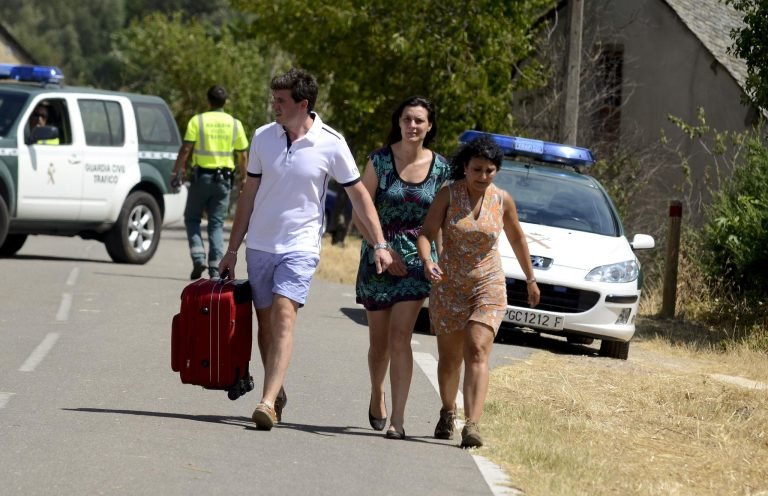
Spanish Wildfire Response Criticized for Exposing Warning Gaps
Madrid, July 22 Eurotoday — Wildfire emergency response has come under renewed scrutiny after a devastating wildfire in Spain revealed weaknesses in emergency warning systems and outdated evacuation plans. Residents in several affected communities reported receiving delayed alerts as flames spread rapidly through dry woodland, leaving many to rely on neighbours and personal judgement rather than

From El Fasher to Brussels: Victims and Experts Urge EU Sanctions on the War’s Business Model

Le parquet de Paris ouvre une enquête sur le site “libertin” Wyylde
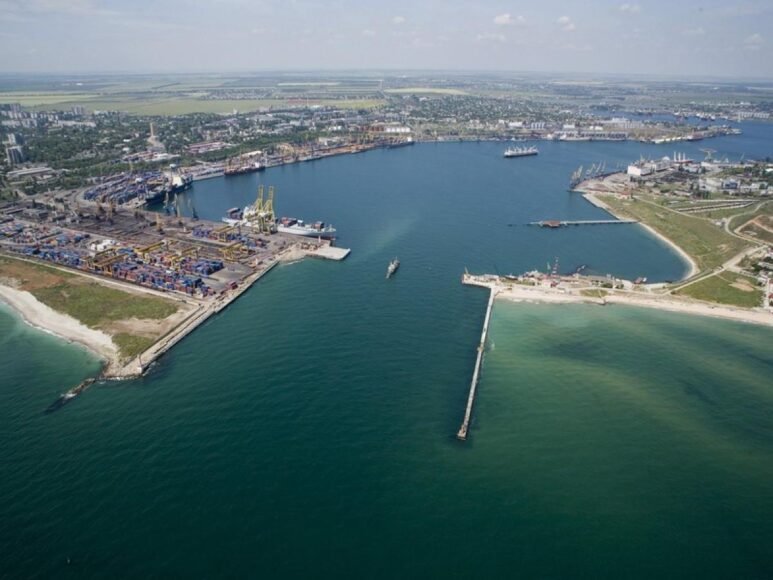
Maersk Halts Chornomorsk Fishing Port Service Following Russian Attacks in Global Shipping News
Kyiv, July 22 Eurotoday — Global shipping news remains focused on the Black Sea after Maersk suspended services through Ukraine’s Chornomorsk Fishing Port following intensified Russian attacks on port infrastructure. The move reflects growing security concerns for international shipping companies operating in the region and is expected to affect cargo movements until conditions improve.
Maersk S

Austria Converts Hitler’s Birthplace into Police Station
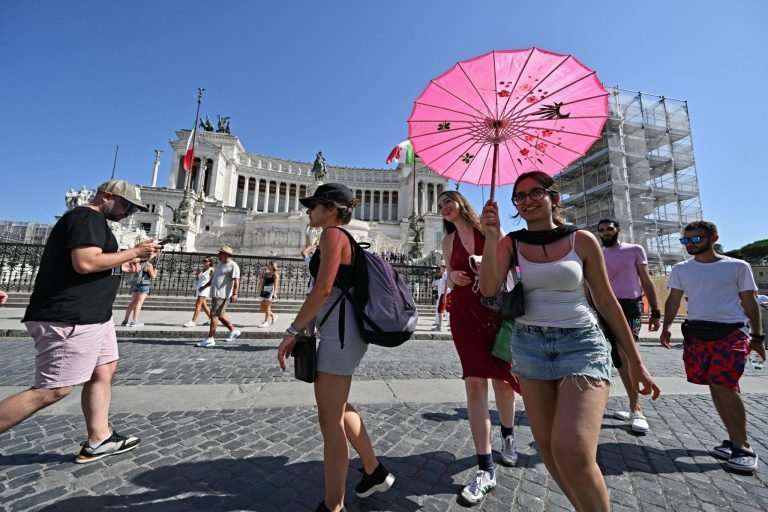
Concerns Over Extreme Heat in France as Rome Offers Free Cinemas to Escape Summer Temperatures
Rome, July 22 Eurotoday Newspaper — Rome free cinema screenings will be offered across the Italian capital as city officials introduce a new measure to help residents escape soaring summer temperatures. The initiative allows people to watch films free of charge in air-conditioned cinemas during the hottest parts of the day, providing relief while Europe continues to experience prolonged heatwave

Brussels Targets Google — Potentially Huge Costs Ahead

Number of Russians Who Purchased the New Volga
The flagship Volga K50 crossover is the top choice, with 55 units registered. It comes in three trims, priced from 4,344,900 rubles (around 48,300 euros) to 4,799,000

MCC Brussels at Three: A Contested Voice in Europe’s Political Debate
The Brussels-based institution is part of the wider Mathias Corvinus Collegium (MCC), a Hungarian educational and research organisation. Since its establishment in Brussels, it has sought
Leave a Reply