


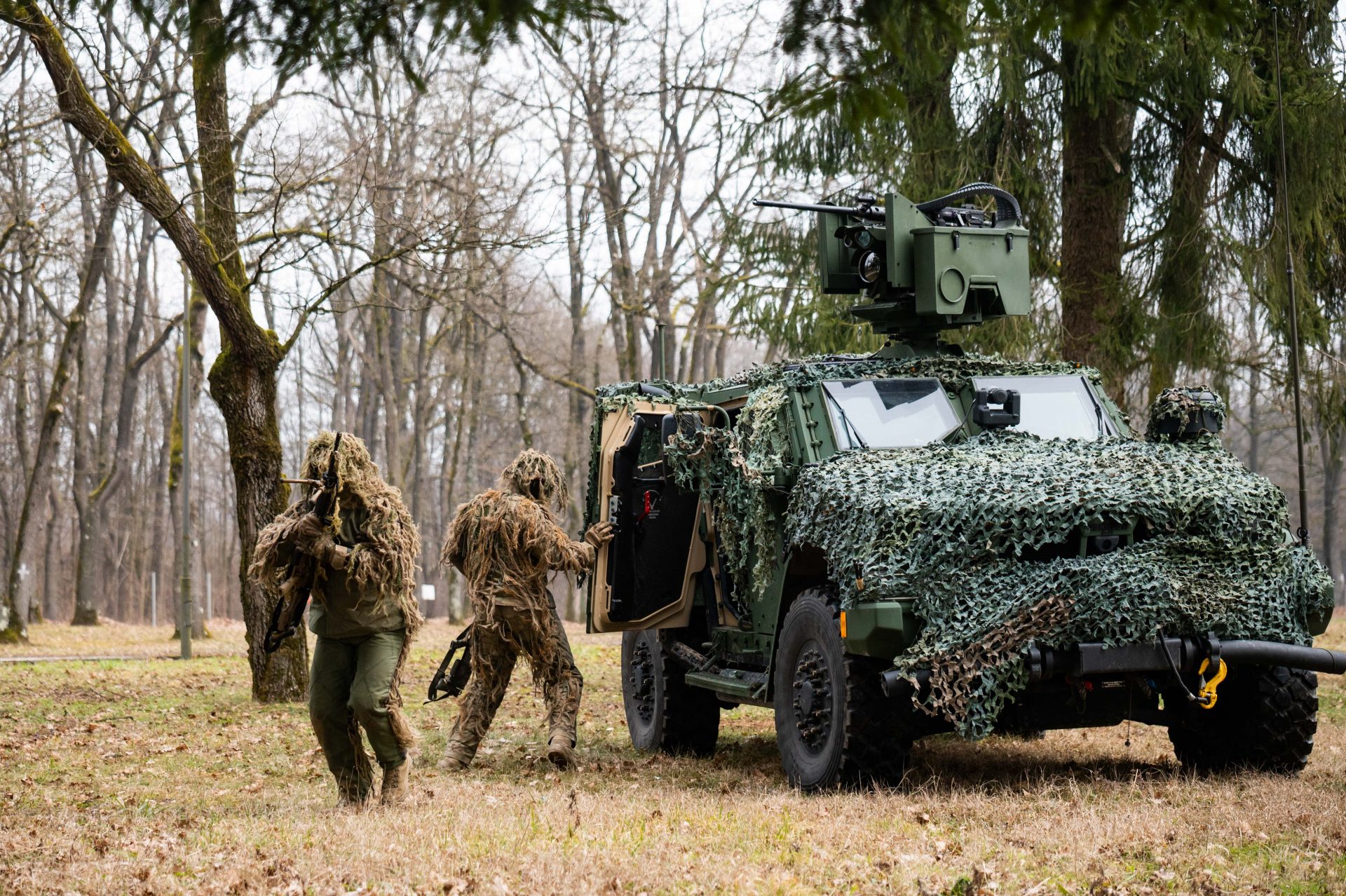
Ljubljana – Slovenia is in the process of developing a strategy to boost its defense budget, with an announcement from the government expected in April. Although the coalition did not discuss the matter during their meeting on Monday, Prime Minister Robert Golob stated that there is a consensus on the understanding that “defense and security encompass more than just weaponry.” He added that Slovenia’s plan will focus on fostering defense and security as a member of the international community while enhancing the nation’s resilience for the benefit of its citizens, as stated after a coalition meeting.
Golob also indicated that a more extensive conversation on defense spending will occur after an extraordinary EU summit addressing Ukraine and the enhancement of European defense. He noted that Slovenia will need to expedite its defense spending increase to reach 2% of GDP by 2030, up from last year’s allocation of 1.35%. This increase is being discussed in light of the upcoming NATO summit in late June in The Hague; however, Golob mentioned that the government will update both parliament and the public beforehand.
Defense Minister Borut Sajovic, representing the Svoboda party, recently emphasized that decisions regarding defense expenditure will be made “with broad consensus, thoughtfully and prudently.” Within the parliamentary parties, including those in the coalition, there are varying opinions on the urgency of defense investment. The largest ruling party, Movement Freedom, is particularly in favor of investing in dual-use equipment that serves both military and civilian purposes. The Social Democrats express concern that “more weapons complicate peace efforts,” though they assert they will act responsibly. Conversely, the Left party generally opposes increasing defense funding, arguing that the strength of a state relies more on public services than military spending.
Opposition leader and former Prime Minister Janez Janša believes that Slovenia should raise defense spending more quickly and significantly, suggesting a target of 3% to 3.5% of GDP ahead of the NATO summit in June, rather than waiting until 2030. The opposition party NSi supports an increase in defense spending, warning that Slovenia risks isolation politically, economically, and in terms of security if it does not align with other nations. (March 18)




Leave a Reply