


The issue is raising alarms among airline industry lobby groups and the tourism departments of sun-soaked European nations that depend heavily on air travel to sustain their economies.
“It’s utterly disingenuous for a politician to claim this is being done in the name of environmental protection. That’s absolute nonsense—plain and simple dishonesty,” said Willie Walsh, director general of the International Air Transport Association (IATA), during an interview with POLITICO.

Historically, airlines have benefited from tax exemptions, such as no kerosene tax and no VAT on tickets in most countries. | Leonhard Simon/Getty Images
Walsh, the former CEO of Aer Lingus and British Airways, argued that revenue generated from these new taxes is unlikely to be channeled back into the aviation industry to support improvements in environmental performance. Instead, he warned the taxes would primarily serve as barriers to flight affordability. This could reduce passenger loads on airplanes without significantly cutting emissions or curbing the behaviors of the most significant polluters.
“This is nothing more than a revenue-generating scheme,” Walsh said, asserting that new levies on air travel would fail to deter private jet users or result in meaningful changes in consumer behavior. “It’s not going to stop private jet usage or have any major impact, and that’s the real problem here.”
Mediterranean Concerns
Tourism-reliant Mediterranean nations are vehemently opposed to proposed aviation taxes, which they see as a direct threat to their economies.
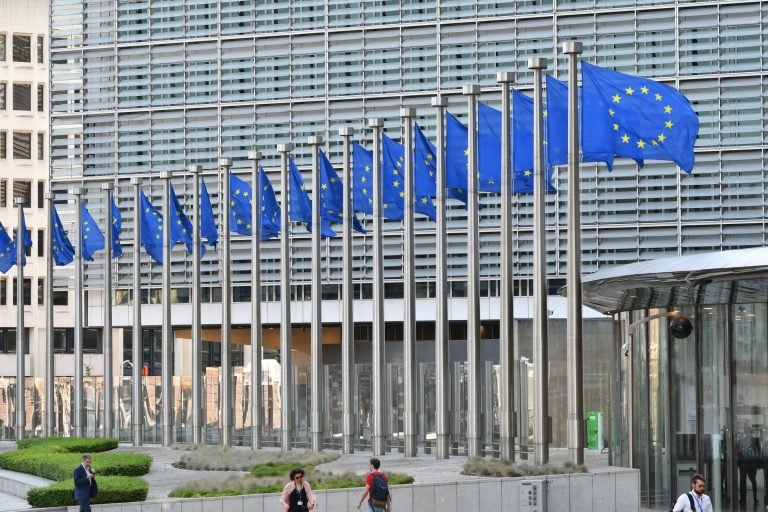
Dutch climate pledges, including Foreign Minister Wopke Hoekstra’s push to levy taxes on aviation, have drawn particular ire from these countries. During a European Council meeting on December 10 with economy ministers, southern European nations once again rejected the European Commission’s proposal for a kerosene tax as part of reforms to the Energy Taxation Directive.
The tension highlights the growing divide between northern European environmental ambitions and the economic priorities of southern countries that depend on tourism—a delicate balancing act amid calls for greener policies across the EU.




Leave a Reply