


UN Envoy and Aid Agencies Intensify Efforts in Syria Amid Renewed Hopes for Peace
The United Nations Special Envoy for Syria, Geir Pedersen, is working with all stakeholders to pave the way for a peaceful, Syrian-led political transition, according to UN Secretary-General António Guterres. The Secretary-General highlighted “clear signs of hope” for Syria’s future, emphasizing the international community’s moral obligation to act decisively.
A Call for Justice and Accountability
Mr. Pedersen underscored the horrifying revelations emerging from recently liberated prisons once controlled by the former regime. “These images and testimonies,” he stated, “offer just a glimpse into the unimaginable suffering endured by detainees and their families.” He called on the international community for “decisive, compassionate action” to support victims and their loved ones.
The UN envoy outlined essential measures, including providing medical care, psychological support, legal assistance, and safe shelter to families of those detained or missing. He stressed the importance of preserving evidence from Syria’s detention centers to assist families in their pursuit of justice. “Justice for victims is not only a fundamental right but also crucial for healing and preventing further atrocities,” he said.
United Efforts for a Humanitarian Cause
Mr. Pedersen also urged for the immediate release of arbitrarily detained individuals in Syria, calling for full cooperation among all parties involved. He appealed to specialized UN bodies like the Independent Institution on Missing Persons (IIMP), the International, Impartial and Independent Mechanism (IIIM), and the Independent International Commission of Inquiry on Syria, alongside international and national entities.
“The world owes it to the Syrian people to listen, to act, and to work tirelessly to ensure that horrors like these never recur,” he concluded.
Chemical Weapons Watchdog Prepares Mission
Efforts to address Syria’s chemical weapons program are also ramping up. The Organisation for the Prohibition of Chemical Weapons (OPCW) is preparing to send a team of experts to Syria once the security situation permits. In a recent emergency meeting, OPCW Director-General Fernando Arias reiterated that Syria, under the Assad regime, had never fully disclosed its weapons program, despite multiple confirmed uses of chemical weapons during the civil war.
“The ultimate goal,” Arias stated, “is to completely eliminate Syria’s chemical weapons program and hold all perpetrators accountable.” The OPCW has been working for over a decade to resolve inconsistencies in Syria’s chemical weapons declarations, a process initiated when the country signed the Chemical Weapons Convention in 2013.
WFP Scales Up Urgent Food Assistance
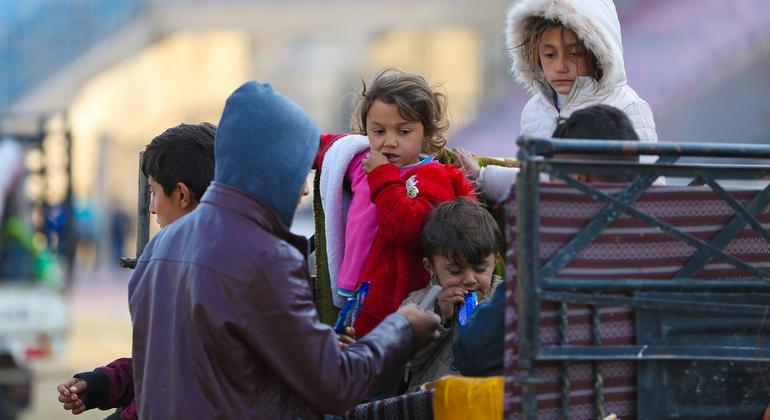
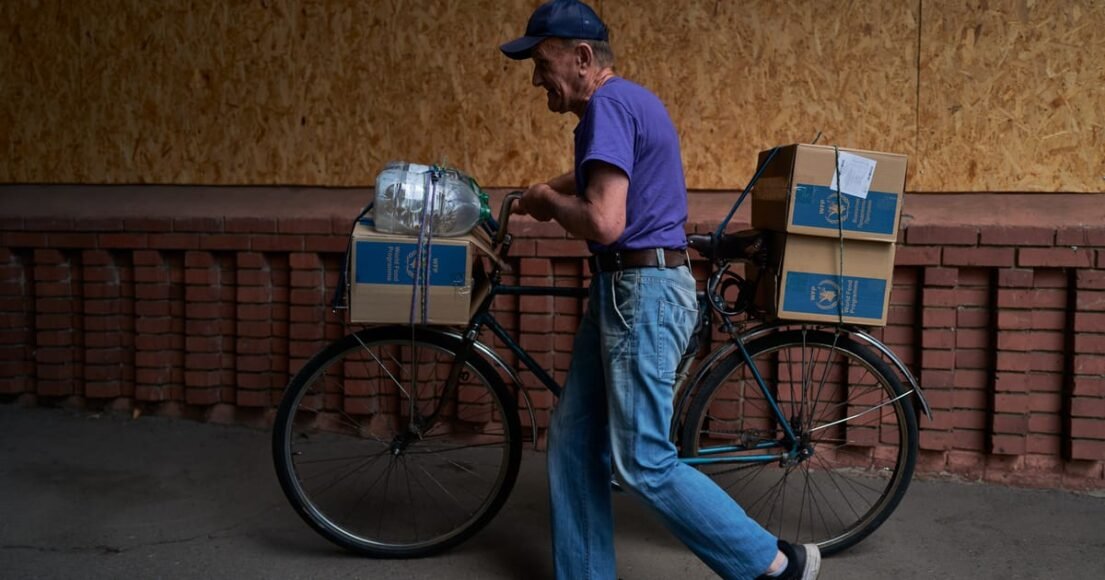
On the humanitarian front, the World Food Programme (WFP) is significantly increasing its food aid efforts to assist 2.8 million displaced and food-insecure individuals in Syria. Prolonged conflict, compounded by economic instability and regional spillovers from crises in Lebanon, Israel, and Gaza, has left the country in a dire state.
“Syria’s most vulnerable populations cannot be forgotten during these critical times,” said Kenn Crossley, WFP Country Director for Syria. “Food prices are soaring, the Syrian currency is depreciating, and essential goods like rice, sugar, and oil are in short supply. Bread prices have skyrocketed, making urgent intervention vital.”
WFP urgently requires $250 million over the next six months to sustain its expanded operations. Currently, the agency is distributing daily rations, food baskets, and hot meals to nearly 70,000 displaced individuals, focusing on hard-hit areas like Homs, Aleppo, Raqqa, and Al-Hasakah.
A Nation on the Brink of Collapse
Nearly 14 years of war have left Syria shattered, with 12.9 million people food insecure at the start of 2024, including three million severely food insecure. Commercial supply routes remain compromised, and economic instability exacerbates the humanitarian crisis.
“Food aid is a lifeline during emergencies,” said Mr. Crossley, “but it’s also a message of hope to communities that they are not alone in these isolating and vulnerable times.”
—
With the combined efforts of the international community, justice, humanitarian aid, and political progress are slowly emerging as rays of hope for rebuilding Syria after nearly a decade and a half of war and turmoil. However, much remains to be done to ensure lasting stability and peace for its people.







Leave a Reply