


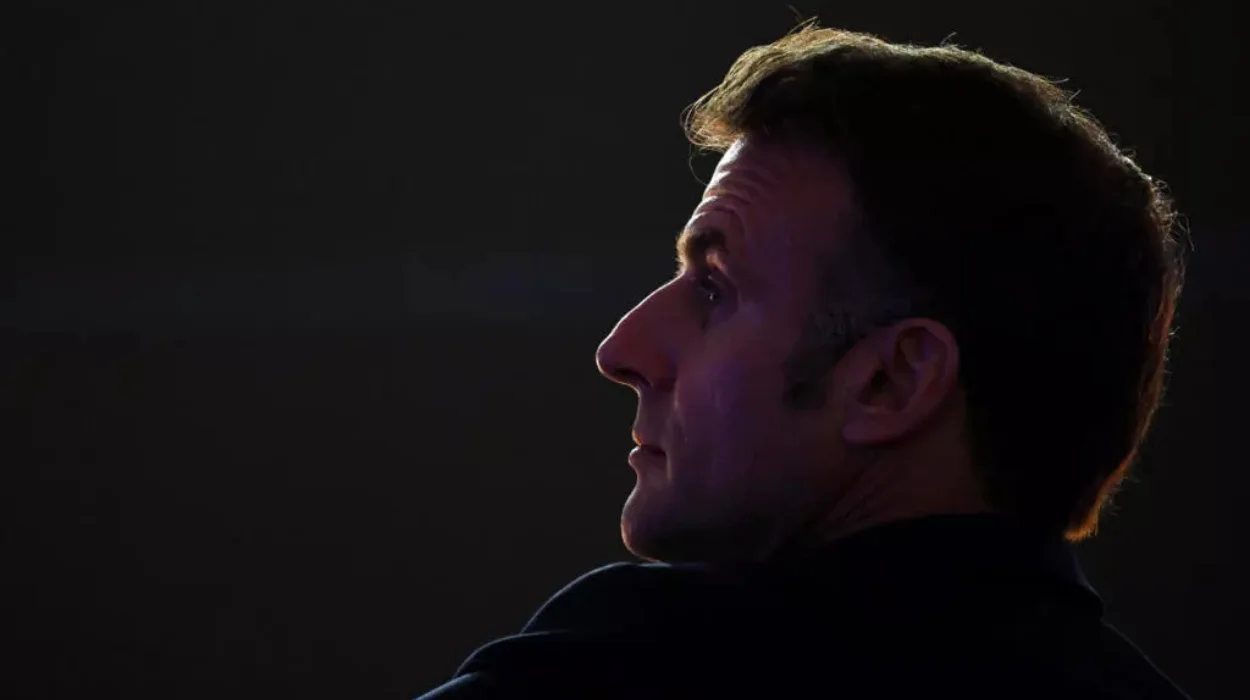
You have given me a democratic mandate of five years, and I’ll carry it out fully until its term.
said French President Macron in a televised speech to the French people, while firmly dismissing any notion of stepping down as president and pledging to serve out his term until 2027 despite France’s latest political upheaval. In a decisive response to the collapse of his government, he announced plans to appoint a new prime minister within days. The no-confidence vote on December 4 brought down Prime Minister Michel Barnier’s fragile right-wing coalition after just three months, plunging France into a historic crisis. Macron, now facing the gravest challenge of his presidency, accused opposition leaders of fostering cynicism, shirking responsibility, and perpetuating a sense of chaos. At the moment, France teeters on the edge of political disarray as it faces the twin threats of a widening public deficit and the possibility of entering 2025 without an approved budget. While the French constitution provides mechanisms to avoid the kind of government shutdowns seen in the U.S., stability remains elusive. Emmanuel Macron now faces the unenviable task of appointing his fourth prime minister this year—someone capable of navigating a fractured parliament with no clear majority.
The aftermath of Macron’s impulsive snap election in June has left the French legislature a patchwork of competing alliances. A leftist coalition garnered the most votes but fell short of control; Macron’s centrist faction suffered bruising losses, and Marine Le Pen’s far-right National Rally gained ground, only to be outflanked by strategic voting from centrists and the left. For Macron, forging governance out of this fractured landscape will require ingenuity—and no small measure of luck. The December 4 no-confidence vote marked a historic moment, the first successful one since 1962, bringing down Michel Barnier’s government after a mere three months—the shortest tenure in the Fifth Republic’s history. Barnier, Macron’s choice after a summer of political gridlock, faced an uphill battle to pass a 2025 budget aimed at addressing France’s deficit through €60 billion in tax hikes and spending cuts. His use of Article 49.3 to push through a social security financing bill without parliamentary approval proved to be his undoing, igniting a no-confidence vote and plunging France deeper into political uncertainty—a crisis Macron must urgently resolve.
Barnier’s short-lived tenure as France’s prime minister was marked by an uneasy “understanding” with Marine Le Pen, whose party, though not part of the government, wielded outsized influence over his minority coalition. In a bid to avoid her party joining a no-confidence vote, Barnier tailored his controversial budget to accommodate her demands. Yet, Le Pen ultimately abandoned him, branding his fiscal proposals – a mix of €60 billion in tax hikes and €40 billion in spending cuts—as harmful to the nation. The budget, aimed at reducing France’s deficit, which stands at 6.1% of GDP, sought alignment with EU rules requiring deficits below 3%. Barnier’s attempt to impose fiscal discipline, however, became his undoing, triggering a political firestorm that toppled his government and deepened France’s crisis. For Le Pen, the gamble carries political risks. Initially projected as a frontrunner in July’s elections, she had pursued a strategy of “respectabilisation,” attempting to soften her party’s far-right image ahead of her 2027 presidential bid. Her party’s role in ousting Barnier threatens to derail that effort, forcing her into damage control. That is why Le Pen has struck a contrite tone, claiming her party acted reluctantly, only to avert a greater crisis. While she insists the no-confidence vote was a necessary stand, the fallout leaves her balancing a delicate line: maintaining her populist appeal while proving she can govern responsibly.
France’s political labyrinth has left President Emmanuel Macron confronting four possible sc
Comments
Last News
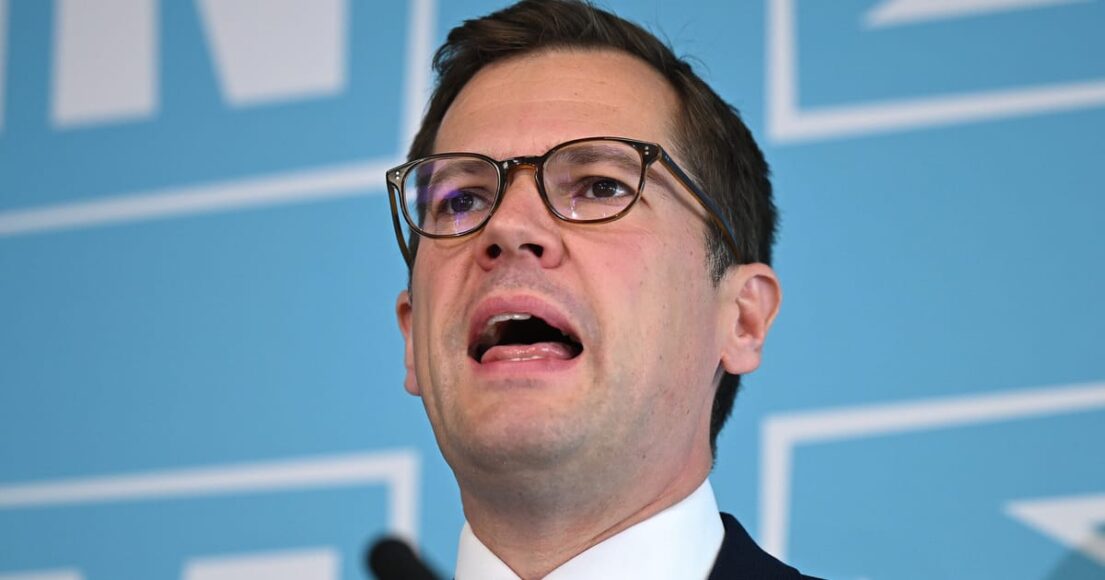
Jenrick: "Burnham is Keir Starmer in a dodgy polo shirt"
He continued: “If you don’t meet our economic tests, then you’re going to have to leave the country. And if you’re in social housing, it’s very, very likely that you won’t me
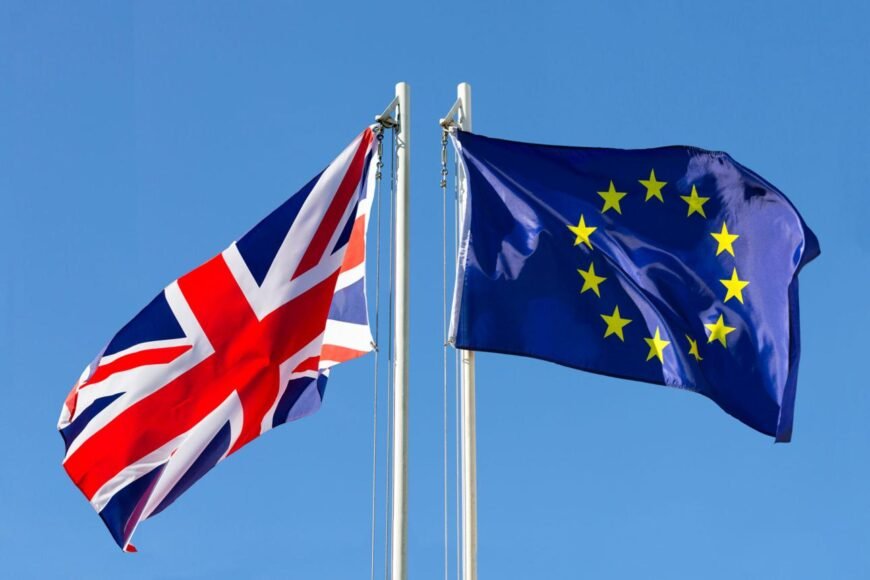
Brexit Has Impacted Britain, Making the UK More European Than Ever Before
10 years ago Nigel Farage was in political heaven. Since entering the European Parliament in 1999 at the head of a small anti-European Party he had only one demand. That Britain organise a referendum on leaving the European Union. It was held on 23 June 2016.
His wish was granted by the coalition government headed by the Conservative Prime Minister, David Cameron and his deputy the Europhile lea

EU Strengthens Child Abuse Legislation
Provisional deal targets AI-generated abuse material, sextortion and delayed access to justice for survivors
The European Union has provisionally agreed to enhance criminal law against child sexual abuse and exploitation, addressing new digital threats and extending the timeframe for survivors to seek justice. This agreement, pending approval from the European Parliament and the Council, is a ke
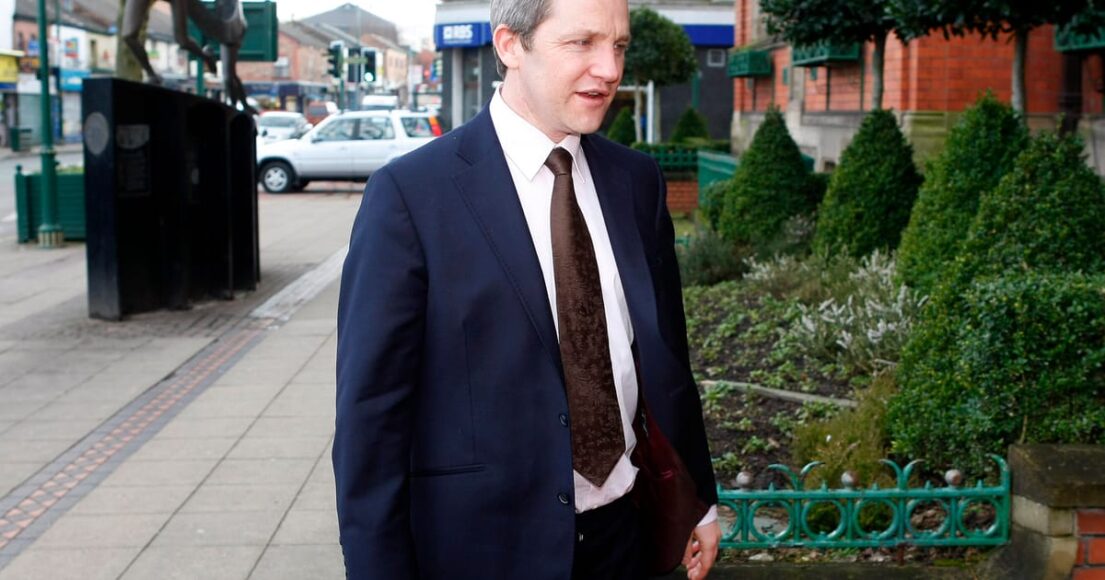
Andy Burnham Appoints Former Blair Minister James Purnell as Chief of Staff
In 2013, he became the BBC’s director of strategy, later joining the lobbying firm Flint Global as chief executive in 2024. His financial interests in Flint may require assessment under conf

The Iran Deal Masks the Imminent Challenge for Global Shipping’s Dual-Level Resilience
G7 leaders last week endorsed the US-Iran memorandum of understanding, praising the framework for reopening the Strait of Hormuz and easing energy market volatility. Crude futures have eased as initial tanker movements resume. Yet this surface calm masks a deeper structural shift: the agreement formalizes a two-tier maritime system where state-aligned energy flows receive preferential risk treat

Norway Advances to the Knockouts
Haaland’s brace propels Norway back into World Cup prominence
Norway advances to the World Cup round of 32 with a 3-2 victory over Senegal, marking a significant achievement beyond Erling Haaland’s scoring prowess. Absent from tournament knockouts since 1998, Monday’s win in New Jersey was a breakthrough, highlighting the expanded World Cup’s potential for lesser-known nations.
By Daniel Mercer,
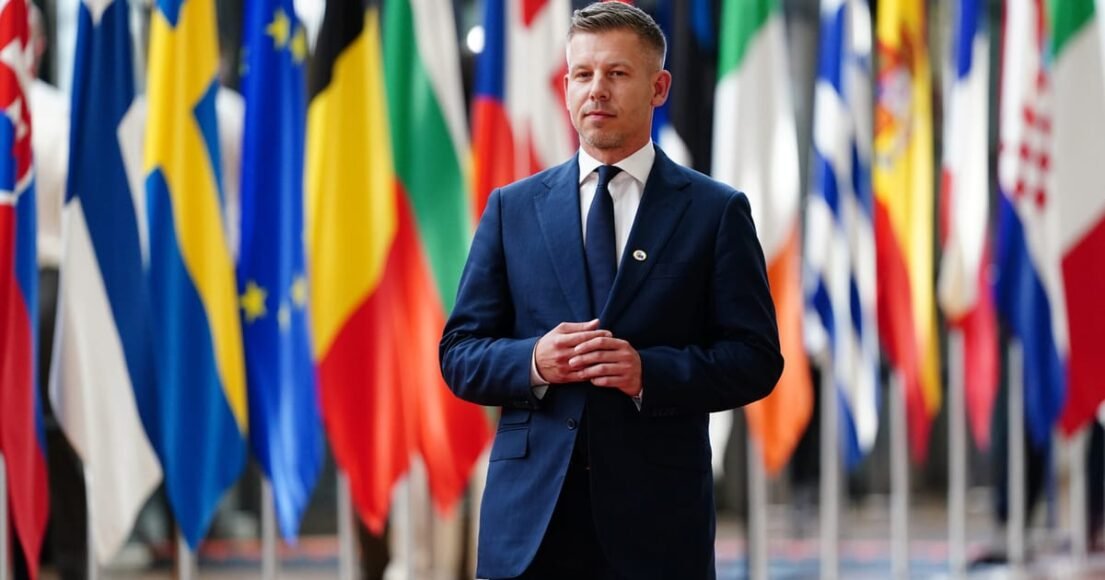
Hungary Halts EU Membership Efforts for Ukraine and Moldova
The Hungarian Permanent Representation in Brussels did not respond to a request for comme

The Bürgenstock Moment and What Pakistan Must Do With It
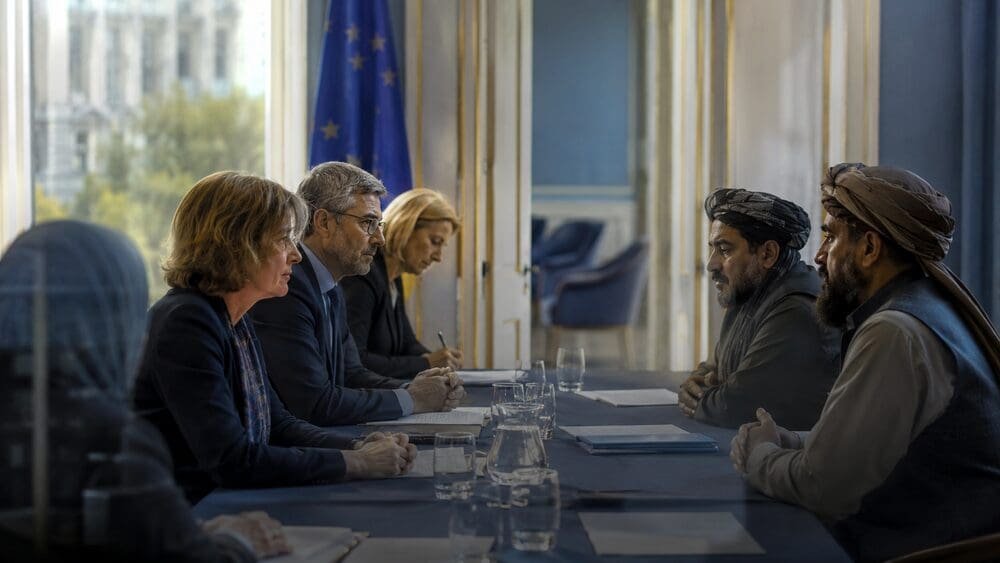
Taliban Negotiations Criticized Over EU Return Policy
The European Union is facing backlash over a meeting in Brussels with Taliban representatives to discuss migration returns, which critics say may weaken Europe’s stance on non-recognition, women’s rights, and protection from for
Zelenskyy to Miss Ukraine Recovery Conference Amid Poland Dispute
“I am leading Ukraine’s delegation and our overall work at the Ukraine Recovery Conference 2026 in Gdańsk,” Svyrydenko po
Leave a Reply