


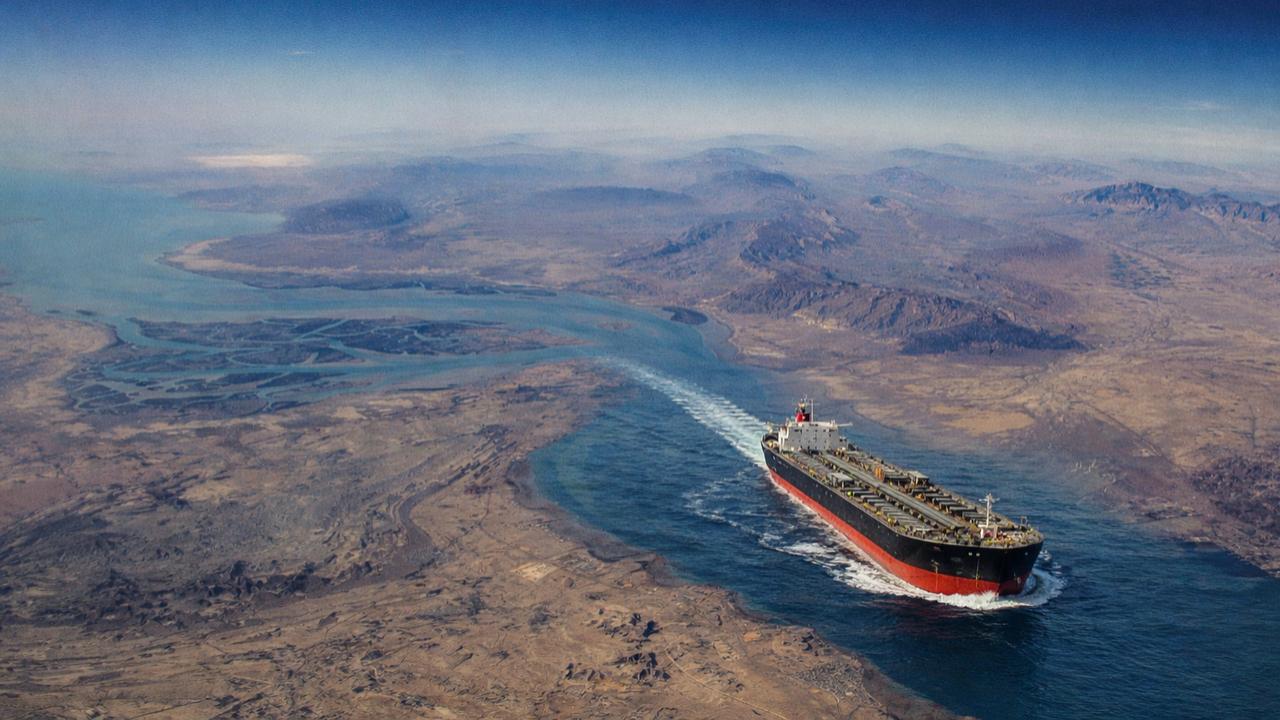
G7 leaders last week endorsed the US-Iran memorandum of understanding, praising the framework for reopening the Strait of Hormuz and easing energy market volatility. Crude futures have eased as initial tanker movements resume. Yet this surface calm masks a deeper structural shift: the agreement formalizes a two-tier maritime system where state-aligned energy flows receive preferential risk treatment while neutral commercial shipping absorbs persistent grey-zone exposure. The dominant narrative celebrates the MOU as a diplomatic breakthrough that restores normalcy within the 60-day window. Policymakers and markets price in reduced volatility. This view misses how the framework’s limited proxy accountability mechanisms redistribute rather than resolve maritime risk. For global supply chains and insurers, the real test is underway now.
The MOU prioritizes Hormuz access, which carries roughly one-fifth of global seaborne oil. US officials stress toll-free transit and phased sanctions relief linked to compliance. G7 participants, including those at the Evian summit, offered collective backing.
This structure creates priority conditions for major energy shipments tied to the core parties. Coordinated naval deconfliction and clearer channels reduce perceived threats in the initial phase. War-risk premiums in the Persian Gulf have eased from peaks near 2.5 percent toward 1 percent in recent weeks, though they remain elevated compared to pre-crisis levels.
State-to-state energy security thus gains a temporary buffer. Large producers and importers benefit. Broader commercial traffic, however, faces lingering hurdles from mines, crew caution, and operational backlogs. The agreement provides limited tools for attributing proxy actions, such as those by the Houthis in adjacent waters. Recent statements from Houthi-affiliated sources indicate continued targeting of vessels linked to adversaries despite the Hormuz focus.
This gap produces uneven resilience. Neutral-flag carriers, European-owned containers, and Latin American bulk vessels encounter higher baseline vulnerability to calibrated disruptions. Maritime incident patterns and insurance data show how grey-zone tactics sustain pressure without crossing into full interstate retaliation. Premiums on non-energy routes stay sensitive to isolated events, driving rerouting that adds distance and expense.
Corporate risk models must now incorporate this asymmetry as a durable feature. Rerouting via the Cape of Good Hope or absorbing elevated add-ons shifts from temporary disruption to structural adjustment, especially for just-in-time inventories and consumer goods.
Insurers and shipowners are already demonstrating selective caution that reinforces the tiers. While some Iranian vessels have begun transiting Hormuz, major commercial operators and underwriters await clearer proof of sustained safety before committing broadly. War-risk coverage for neutral shipping remains patchy and expensive, creating a practical barrier that state-linked energy flows largely bypass through diplomatic assurances and potential naval escorts.
This dynamic accelerates a shift in global maritime governance. Private sector actors increasingly determine effective access where state-level guarantees prove incomplete. Comparative lessons from prior chokepoint crises, including Red Sea disruptions, show commercial fleets bearing disproportionate costs when protections favor certain categories of traffic over others.
This division highlights an evolution in maritime order: private insurers and shipowners increasingly shape effective access where traditional state guarantees fall short. The MOU’s 60-day negotiations on nuclear issues and sanctions do not close proxy or attribution gaps. Markets adapt faster than diplomacy. Comparative experience from Red Sea disruptions demonstrates how prolonged uncertainty raises baseline costs even absent frequent attacks. Commercial fleets historically shoulder disproportionate burdens when protections remain incomplete.
For US interests, implications reach beyond oil prices. American exposure includes imports, agricultural exports, and alliance logistics dependent on open lanes. A framework that secures Gulf energy but tolerates peripheral volatility transfers adjustment costs to private actors and secondary routes. This could hasten nearshoring, alternative corridors, or diversified sourcing with lasting effects on trade efficiency.
Comments
8 responses to “The Iran Deal Masks the Imminent Challenge for Global Shipping’s Dual-Level Resilience”
-
Looks like we’ve turned the Strait of Hormuz into a VIP lounge for state-sponsored oil flows while the rest of us are left waiting outside in the rain—classic diplomacy, isn’t it? 🍷🚢
-
Oh, brilliant! Nothing like a fancy deal that treats neutral commercial shipping like the unwanted guest at a wedding, while the state-aligned energy flows get the VIP treatment. 🥳 Can’t wait to see how that “two-tier maritime system” plays out—should be a real laugh! 😂
-
So, we’ve got a fancy handshake that’s supposed to keep the oil flowing while the rest of us dodgy merchants are left playing a game of maritime hopscotch. Who knew navigating global shipping would turn into a high-stakes game of “you scratch my back, I’ll ignore your sinking ship”? 😂
-
Oh brilliant, a two-tier maritime system! Just what we needed, more ways to keep the little guy on his toes while the big boys enjoy their exclusive express lane through Hormuz. 😏🚢
-
Looks like we’ve got ourselves a diplomatic masterpiece here—who knew a fancy agreement could turn the high seas into a posh club for energy VIPs while leaving the rest of us mere mortals to navigate the minefield? 🍷🚢
-
Isn’t it just charming how the “Iran Deal” promises safety for state-aligned ships while leaving the rest to play dodgeball with mines? 🤔 One could say it’s like a bouncer at a club, letting the VIPs in while the regular folk are left out in the cold! 🥴
-
Oh, brilliant! A deal that promises a “two-tier maritime system” – because who doesn’t love a bit of class distinction on the high seas? 🏴☠️ Let’s just hope the pirates are on the right side of the fence this time, eh?
-
Oh, brilliant! Just what we needed: a fancy agreement that prioritizes VIP shipping while the rest of us navigate the minefield like it’s a game of hopscotch. 🙄 It’s like giving the royal treatment to the rich while the common folk are left to swim with the sharks.

Last News
Transportation Safety Board Calls on Congress to Enact Aviation Safety Legislation
Washington, D.C., July 27 Eurotoday Newspaper — Transportation safety board officials have called on Congress to approve aviation safety legislation designed to strengthen federal oversight and improve implementation of safety recommendations. The appeal comes as lawmakers continue reviewing aviation policy and funding priorities while the aviation industry adapts to growing passenger demand and
Polanski’s Greens Prepare for the ‘Burnham Bounce’
Kerry McCarthy, the Labour MP for Bristol East, a Green target for the next election, stated that Home Secretary Shabana Mahmood’s immigration reforms — including changes to indefinite leave to r
Haiti Electoral Council Announces December Date for Postponed Presidential Election
Port-au-Prince, Haiti, July 27 Eurotoday Newspaper — Haiti electoral council has officially scheduled the country’s long-delayed presidential election for December, marking a significant milestone in efforts to restore democratic leadership after years of political instability. The announcement provides the first clear electoral timetable since Haiti entered a prolonged political transition foll
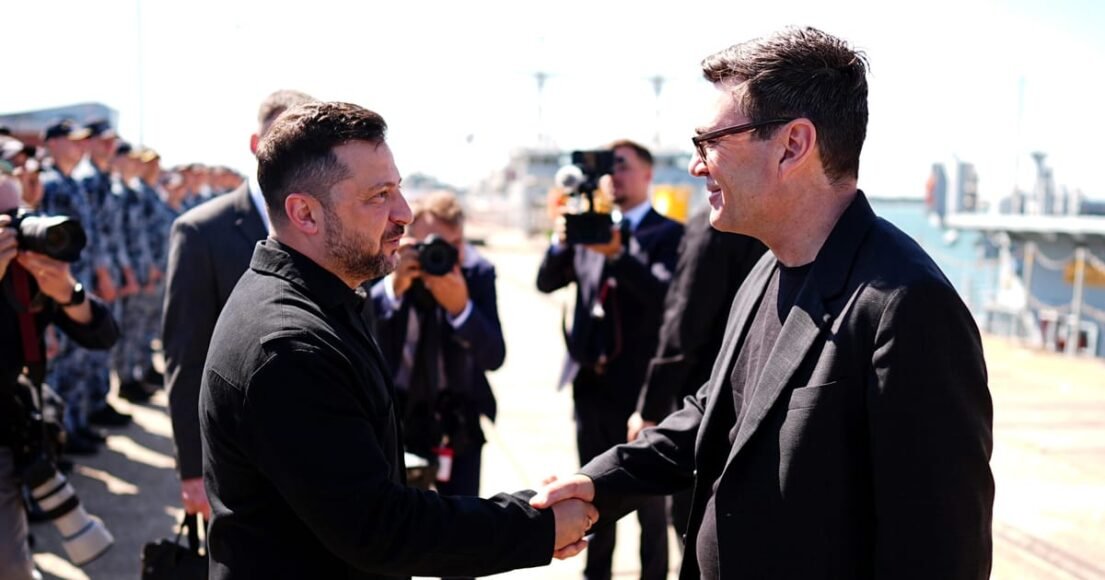
Burnham Embraces Zelenskyy in Debut on Global Stage
The meeting coincided with Britain’s announcement to share intellectual property to assist Kyiv’s war effort.
The new prime minister revealed that the U.K. will provide its “Stone Cloak” electronic warfare system — devices mounted on drones to aid in eva
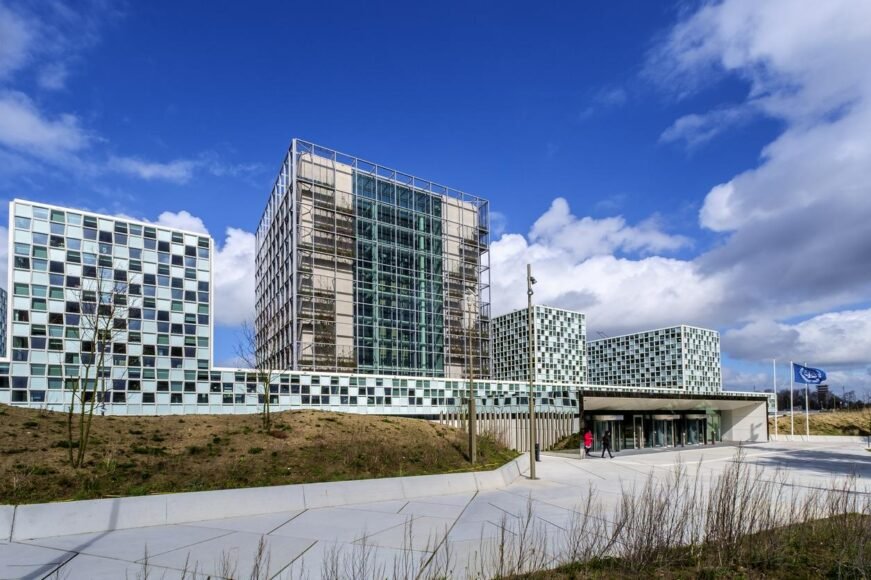
UN Human Rights Council: Venezuela’s ICC Withdrawal Hinders Accountability
Geneva, July 27 Eurotoday Newspaper — UN human rights council investigators have warned that Venezuela’s decision to withdraw from theInternational Criminal Court (ICC) could weaken international efforts to ensure accountability for alleged human rights violations. The UN-backed Independent International Fact-Finding Mission said the move may reduce access to international justice for victims wh

Italian Police Raid Offices of Bulgari and Chanel
Last week, Italian police raided the offices of several luxury brands, such as Bulgari and Chanel, due to suspicions of using subcontractors to employ Chinese workers under exploitative conditions, according to a prosecutor.
Raided companies also include Brunello Cucinelli, Etro, Goyard Italia, Jacob Cohen Company, Moncler, and Stefano Ricci, as confirmed by Milan prosecutor Paolo Storari to AFP
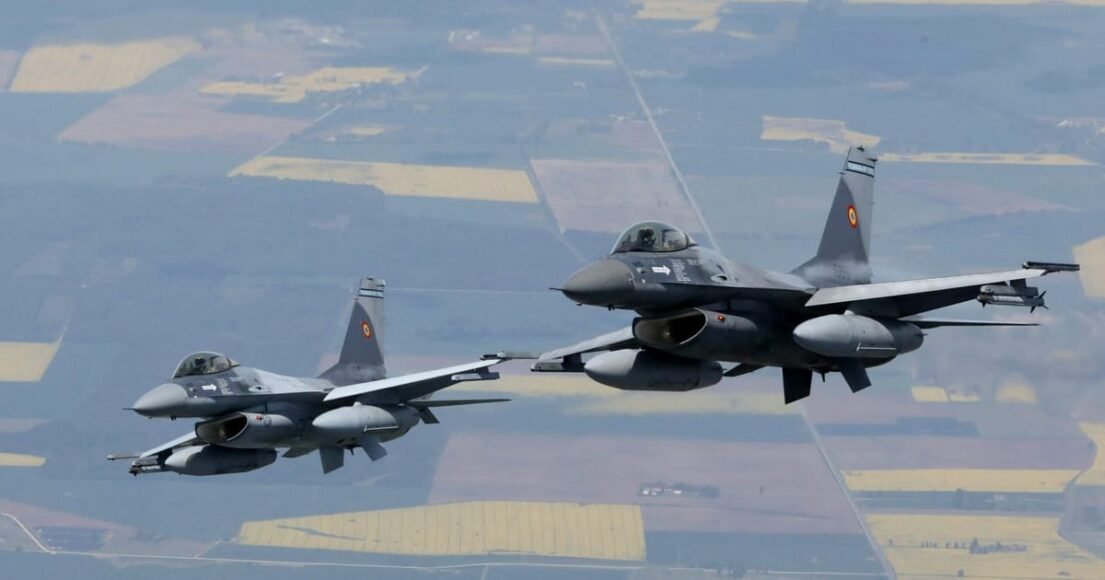
Romania Condemns Russia for Weekend Drone Violations
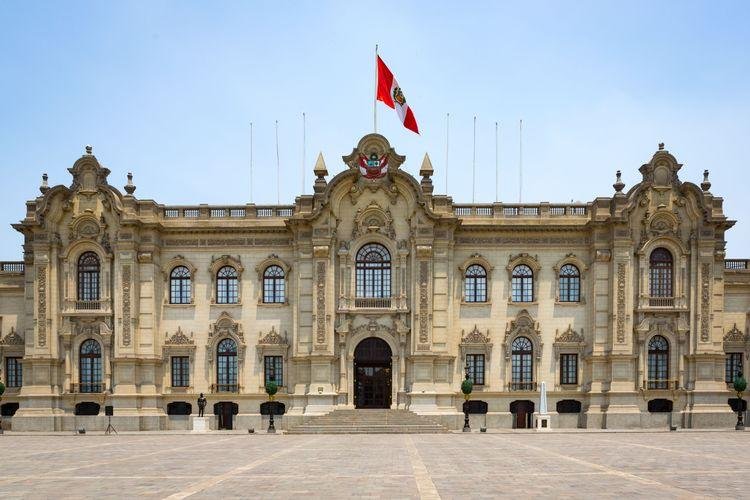
Keiko Fujimori’s Cabinet Takes Shape with Key Ministerial Appointments in Peru
Lima, July 27 Eurotoday Newspaper — Keiko Fujimori cabinet appointments have begun taking shape after Peru’s president-elect announced the first senior ministers who will join her incoming administration. The appointments, made ahead of Tuesday’s inauguration, include Luis Galarreta as Prime Minister, Elmer Cuba as Economy Minister and Carlos Espa as Foreign Minister. The selections provide an e

Brussels Provides Clarity on State Aid for Social Investment
New Commission guidance frames subsidy control as a tool for housing, care, skills and clean public services
The European Commission has clarified how EU State aid rules can support social and public-interest investments, ensuring that subsidy control doesn’t hinder housing, care, training, or clean infrastructure if support is targeted and transparent.
The guidance, announced in Brussels
Trump Rekindles Tariff Dispute
Zoya Sheftalovich and Kathryn Carlson also examine Donald Trump’s threat of new tariffs following the EU’s €890 million fine on Google, and its potential impact on the fragile Tu
Leave a Reply