



Did Obama successfully pass the Iran nuclear deal or was achieving it more complex than its implementation lets us believe? This article explores the complexities surrounding the Joint Comprehensive Plan of Action (JCPOA), widely known as the Iran Deal, examining the political, legislative, and diplomatic maneuvers that shaped its trajectory. By what strategies did Obama manage to overcome congressional resistance, global mistrust, and other international tensions to achieve this historic deal?
Was the decision to adopt the deal made as an executive decision, or was it attributed to a consensus of the executive? Answering these questions enables a critical assessment of Obama’s role in one of the most contentious foreign policies of his administration.
What Is the Iran Deal?
Imagine a neighborhood where one house keeps stockpiling fireworks. Now, fireworks are fun until someone blows up the block. The Iran Deal was meant to stop Iran from building a nuclear bomb (their version of those fireworks).
Signed in 2015, the deal brought together the U.S., Iran, and other world powers (think a group project, but with nukes). Obama didn’t do it solo; it was a team effort. But he was the captain.
Did Obama Pass the Nuclear Deal?
Yes, but not in the “I signed it; it is all me” kind of way. The deal was signed during the Obama administration with the assistance of his Secretary of State blank” rel=”noopener”>John Kerry and other officials. It never came to a direct vote in Congress because it was not a treaty; it was an executive agreement. This gave Obama the green light to seal the deal.
So, while Obama did not technically pass it, he was the face of it. Think of him as the coach who guided the team to victory.
Why Was the Iran Deal Such a Big Deal?
Here’s the gist:
· Iran agreed to reduce uranium production (a crucial process in the production of nukes).
· They cut the number of nuclear reactors they operate by half, reduced the number of centrifuge cascades by 70%, and limited uranium enrichment levels to 3.67% (far below the weapon-grade 90% level).
· Compliance with the rules was ensured through IAEA inspections, which verified Iran reduced enriched uranium by 98% and maintained enrichment levels at 3.67%.
· Inspections by the International Atomic Energy Agency (IAEA) were baked in to ensure they adhered to the rules.
In return, the U.S. and others lifted economic sanctions on Iran. This allowed Iran access to frozen assets and global markets—kind of like lifting a shopping ban on a shopaholic.
The Big Question: Did It Work?
For a while, yes.
· 2016 to 2018: Iran followed the agreement, and analysts observed a decrease in nuclear activities.
· Sanctions relief boosted Iran’s economy (GDP grew by 13.4% in 2016).
But the story didn’t have a happy ending. In 2018, Trump withdrew the United States from the deal, describing it as the worst deal ever. Iran eventually resumed higher uranium enrichment, reigniting global concerns.
Comments
Last News
Andy Burnham Appoints Former Blair Minister James Purnell as Chief of Staff
In 2013, he became the BBC’s director of strategy, later joining the lobbying firm Flint Global as chief executive in 2024. His financial interests in Flint may require assessment under conf
The Iran Deal Masks the Imminent Challenge for Global Shipping’s Dual-Level Resilience
G7 leaders last week endorsed the US-Iran memorandum of understanding, praising the framework for reopening the Strait of Hormuz and easing energy market volatility. Crude futures have eased as initial tanker movements resume. Yet this surface calm masks a deeper structural shift: the agreement formalizes a two-tier maritime system where state-aligned energy flows receive preferential risk treat

Norway Advances to the Knockouts
Haaland’s brace propels Norway back into World Cup prominence
Norway advances to the World Cup round of 32 with a 3-2 victory over Senegal, marking a significant achievement beyond Erling Haaland’s scoring prowess. Absent from tournament knockouts since 1998, Monday’s win in New Jersey was a breakthrough, highlighting the expanded World Cup’s potential for lesser-known nations.
By Daniel Mercer,
Hungary Halts EU Membership Efforts for Ukraine and Moldova
The Hungarian Permanent Representation in Brussels did not respond to a request for comme
The Bürgenstock Moment and What Pakistan Must Do With It
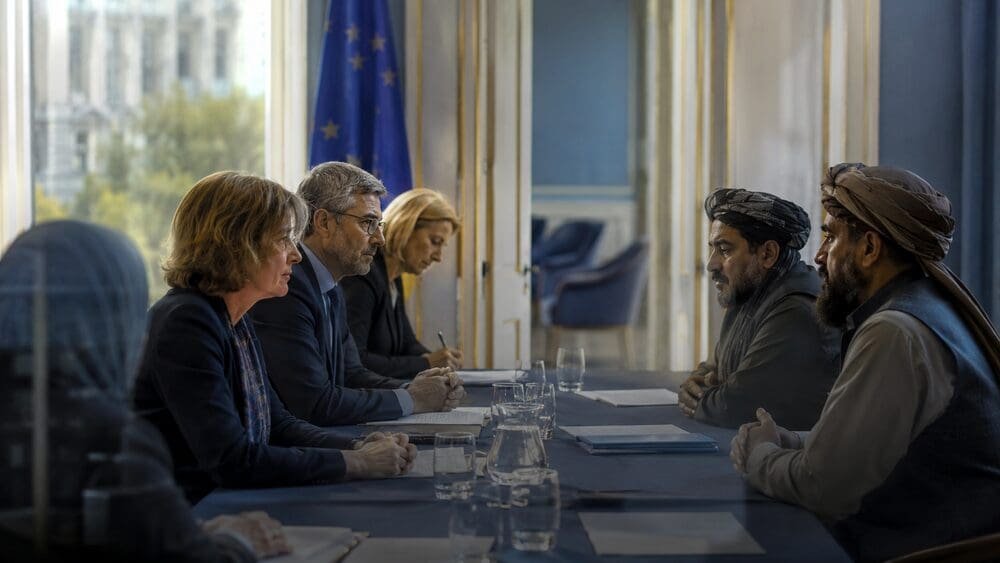
Taliban Negotiations Criticized Over EU Return Policy
The European Union is facing backlash over a meeting in Brussels with Taliban representatives to discuss migration returns, which critics say may weaken Europe’s stance on non-recognition, women’s rights, and protection from for
Zelenskyy to Miss Ukraine Recovery Conference Amid Poland Dispute
“I am leading Ukraine’s delegation and our overall work at the Ukraine Recovery Conference 2026 in Gdańsk,” Svyrydenko po
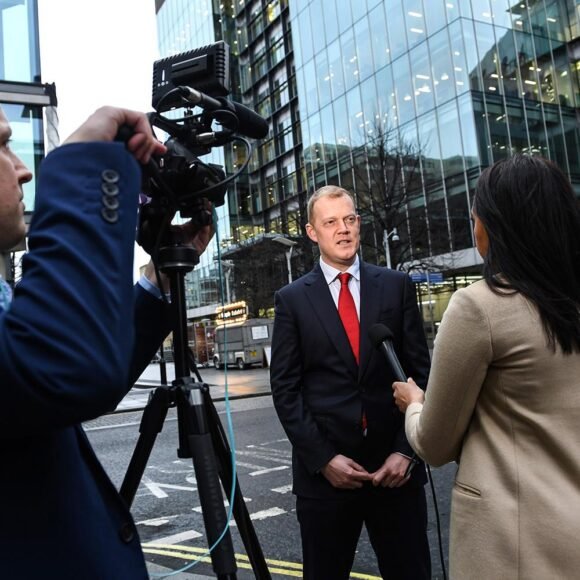
Enhancing Online Reputation Management with Digital PR for Improved Google Rankings in the UK
London, June 23 – Eurotoday Newspaper — Online reputation management has become an increasingly important part of Digital PR strategies as UK businesses compete for stronger visibility in Google Search and greater customer trust. Industry experts say companies that invest in high-quality media coverage, authoritative backlinks, and expert-led content are more likely to strengthen their online pr

Pay Transparency in the EU Divides Workplaces
European workers are entering a new stage in the equal pay debate as EU salary transparency rules are set to be applied in workplaces following the 7 June transposition deadline. This reform aims to uncover hidden pay discrimination, but inconsistent implementa
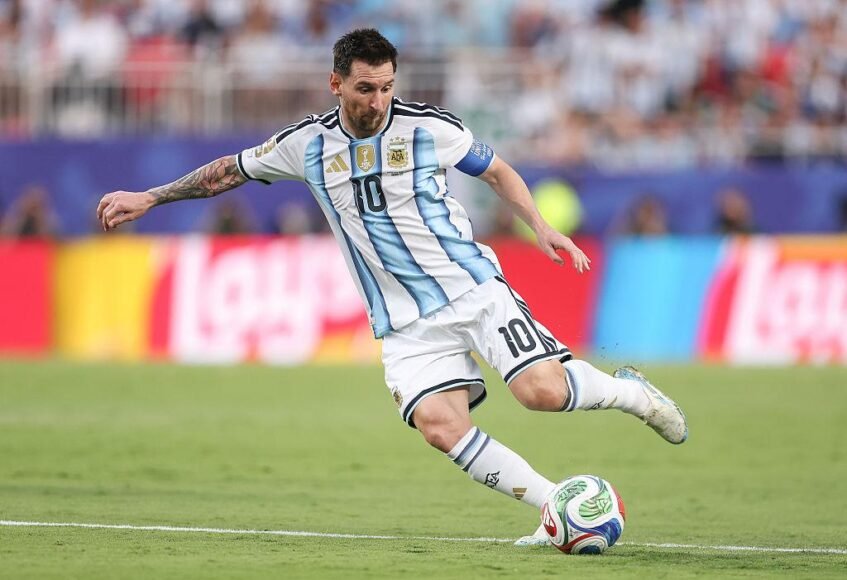
Messi’s 17th Goal Sets New World Cup Record for Argentina
MIAMI, United States, June 22 – Eurotoday Newspaper — Argentina national team celebrated another historic milestone as captain Lionel Messi scored his 17th FIFA World Cup goal, becoming the highest-scoring player in men’s World Cup history. The record-breaking strike further strengthened the Argentina national team‘s campaign while adding another remarkable achievement to Messi’s legendary inter
Leave a Reply