


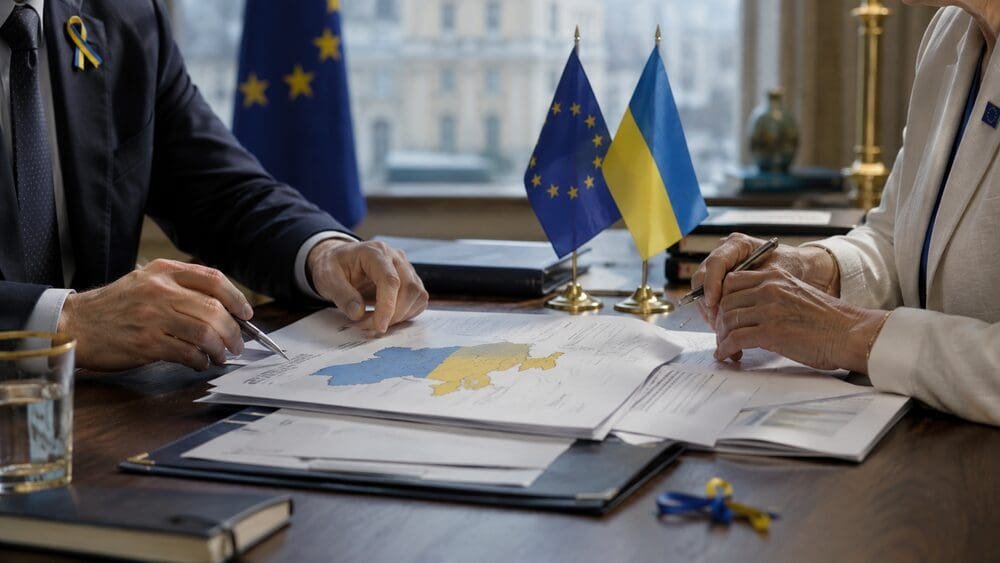
European Commission President Ursula von der Leyen and EU Trade Commissioner Maroš Šefčovič landed in Uruguay on Thursday to formalize negotiations with Mercosur nations, aiming to cement a long-awaited trade and cooperation agreement. While the move was welcomed enthusiastically in Berlin, it sparked controversy in France, where political turmoil had erupted just hours prior.
“We are sending a clear and powerful message to the world,” von der Leyen stated during the visit. “In an increasingly confrontational global landscape, we show that democracies can depend on each other. This agreement goes beyond economic gains—it is a political imperative.”
The Mercosur bloc, which includes Brazil, Argentina, Uruguay, Paraguay, and recent addition Bolivia, agreed to the terms, marking the conclusion of political discussions. However, the finalized text must still pass legal scrutiny and translation before seeking approval from EU member states and the European Parliament.
French President Emmanuel Macron remains a vocal opponent of the deal and is expected to continue rallying opposition. To block the agreement, he will need to strengthen an anti-deal coalition that already comprises Poland, Austria, and Ireland. With Italy showing signs of indecision, attention now turns to Prime Minister Giorgia Meloni’s government in Rome, which could play a decisive role in the final outcome.
This story has been updated.

Leave a Reply