



Serbia’s intention to grant state and military honours to Ratko Mladić has alarmed survivors of the Bosnian war and human rights advocates, following the former Bosnian Serb commander’s death while serving a life sentence for genocide, crimes against humanity, and war crimes. The controversy revolves around whether public institutions will uphold established judicial facts or depict a convicted perpetrator as a national hero.
Serbian Justice Minister Nenad Vujić announced that Mladić would receive full state and military honours, leaving funeral arrangements to his family, after Mladić’s death on August 27 in a UN prison hospital. Serbian President Aleksandar Vučić criticised the UN tribunal for denying release requests, calling its conduct “uncivilised.” Some political figures in Serbia and Republika Srpska have portrayed Mladić as a defender of Serbian people.
In Bosnia and Herzegovina, the reaction has been starkly different. Survivors and memorial institutions warn that official honours could turn personal mourning into state-backed glorification. Reports from Sarajevo and Srebrenica express anger over detaching Mladić’s military reputation from the crimes established in court. A military and state-backed ceremony sends a message about whom the state deems worthy of honour.
Mladić, leader of the Army of Republika Srpska during the 1992-1995 Bosnian war, was arrested in Serbia in 2011 and convicted by the International Criminal Tribunal for the former Yugoslavia in 2017. He was found responsible for genocide in Srebrenica, among other crimes. An appeals chamber upheld his life sentence in 2021, a result of extensive legal proceedings and evidence. Mladić’s death ends his imprisonment but not the judicial findings or the rights of victims, nor the ongoing work of identifying missing people and preserving evidence against denial.
Genocide denial often involves selective memory, portraying a convicted commander as honourable. For survivors, such narratives threaten security, marginalise testimony, and discourage engagement with history, placing the burden of defending facts on families still seeking justice. Denial and public celebration of convicted war criminals are visible in Serbia and Bosnia, with murals, speeches, events, and displays fostering competing memories.
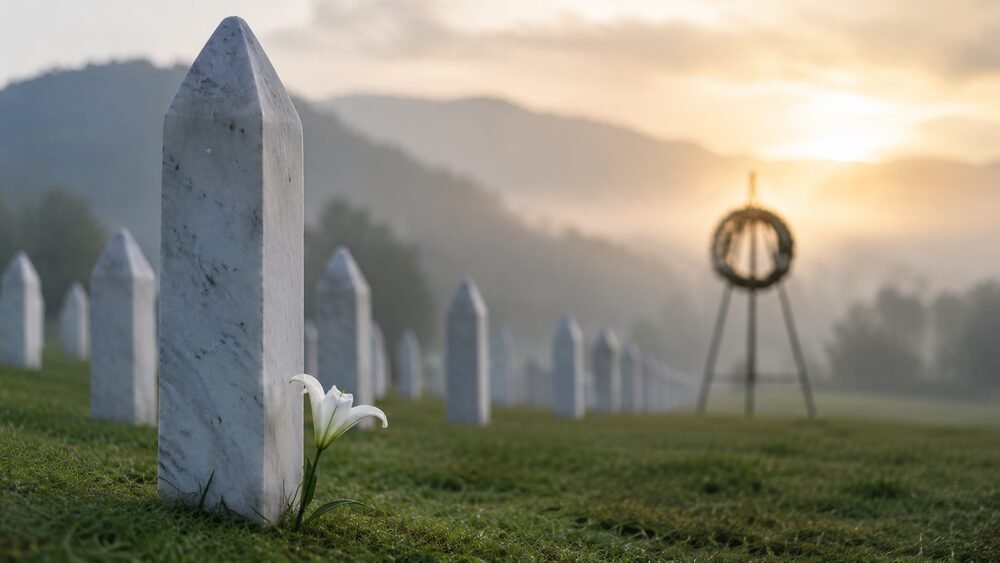
At the 30th anniversary of the Srebrenica massacre, survivors and UN officials emphasised protecting truth and preventing recurrence. This is crucial as Serbia seeks EU membership, which requires progress on regional cooperation and respect for international judgments. State honours for Mladić could challenge Serbia’s European path, questioning its acceptance of international accountability despite domestic support for the convicted.
Reconciliation requires distinguishing between mourning the dead and honouring actions courts have deemed genocide and crimes. While Mladić cannot respond to narratives about him, Serbia’s institutions must consider the messages they send. Survivors insist that death should not rewrite judgment or historical facts.







Leave a Reply