


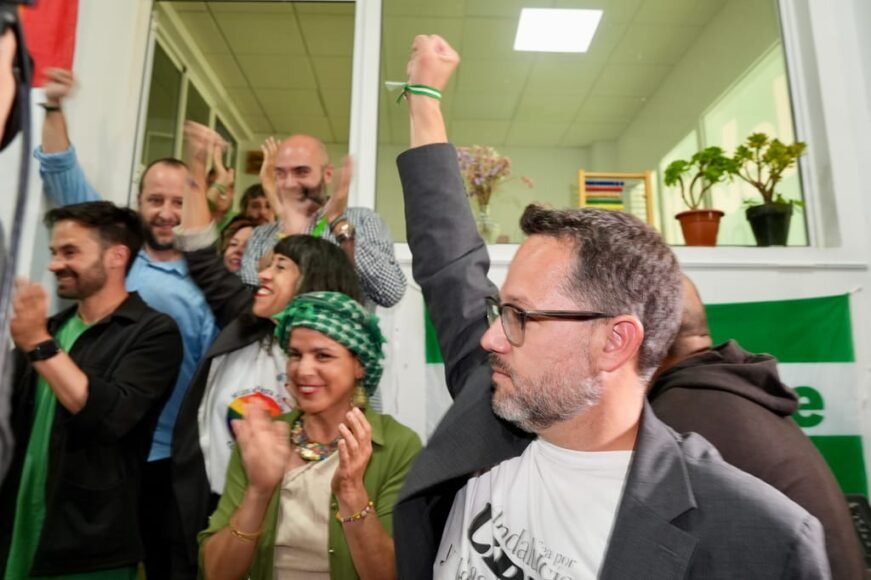
The electoral outcome is disappointing for Moreno. Despite the PP maintaining dominance in Andalusia by winning all eight provinces, losing five seats and its parliamentary majority is a setback. “It’s an overwhelming victory, but it’s not enough,” stated José Manuel Trujillo, a political scientist from Seville’s Pablo de Olavide University. He largely blamed the loss on voters who had previously stayed home but turned out this time from both left and right of the PP.
Moreno, Andalusia’s president, has emerged as a moderate force within the PP, advocating a centrist path distinct from the theatrics in Madrid. Prior to this election, Moreno’s “Andalusian way” was seen as a potential strategy for PP national leader Alberto Núñez Feijóo, who has struggled to position himself clearly on the political spectrum.
With Moreno’s shortfall, focus will likely shift to another conservative figure, Isabel Díaz Ayuso, Madrid’s hard-line president. Unlike Moreno, Ayuso secured a parliamentary majority by aligning with Vox’s populist stance. She praised Moreno for his “absolute defeat of Pedro Sánchez,” but this outcome may reinforce her uncompromising approach.
Feijóo now needs to balance these divergent strategies as the election approaches.
Vox, the far-right party, is celebrating in Andalusia, where it first made a significant impact in 2018 by winning seats. Although they gained only one seat recently, speculating that they may have hit their electoral peak, Vox is set to enter negotiations with Moreno as he looks to form a new administration, unless he manages an unlikely arrangement with the left.
Moreno intends to govern alone due to his closeness to a majority. However, he is expected to seek parliamentary support from Vox, even if no formal coalition is formed.







Leave a Reply