


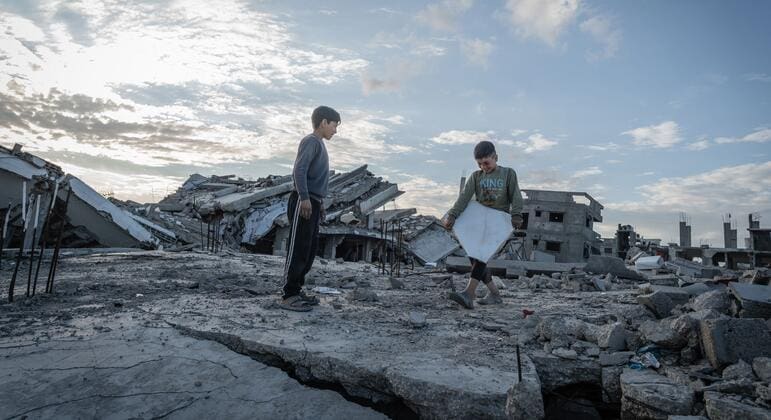
At a regular briefing in New York, UN Spokesperson Stéphane Dujarric announced that Israeli authorities have closed all crossings and halted humanitarian movements. Rotations of aid staff, medical evacuations, and returns to Gaza are on hold.
A consistent flow of aid is critical
“People in Gaza rely on a steady flow of humanitarian commercial goods from outside,” Mr. Dujarric stated, emphasizing that a “sustained and predictable flow of supplies” is crucial, which cannot continue under a full blockade. He urged for the reopening of crossings as soon as possible. Fuel shortages are leading to rationed supplies and prioritized lifesaving operations at reduced capacity, affecting bakeries, hospitals, and desalination plants. Solid waste collection has stopped. Checkpoints in the West Bank are closed, hindering travel and affecting access to livelihoods and services. UNRWA leader Philippe Lazzarini described the situation as “a new chokehold on Gaza.”
Sudan’s escalating conflict worsens humanitarian crisis
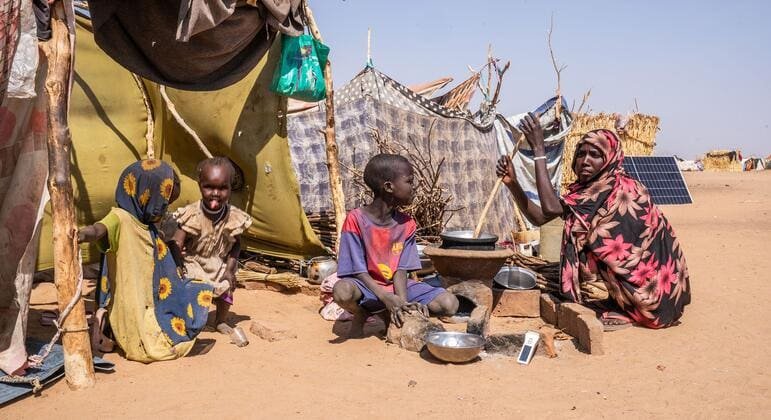
Fighting between the Sudanese Armed Forces and Rapid Support Forces in Kordofan and Blue Nile States has resulted in civilian casualties. Drone attacks have increased in El Obeid and Kurmuk, damaging facilities and causing injuries.
Conditions are dire
“Fighting along key supply routes disrupts traffic and humanitarian operations,” Mr. Dujarric said. The UN’s humanitarian office, OCHA, warns of dire conditions with urgent need for aid. Hospitals, funding shortages, fires, and measles outbreaks exacerbate the situation. There is a need for “rapid and unhindered humanitarian access” and international law adherence. Sustained funding is critical to maintain services and prevent deterioration.
Afghanistan earthquake victims still need help
Survivors of Afghanistan’s earthquake last year remain in desperate need. Amid tensions with Pakistan, OCHA reports nine out of ten families affected by the earthquake live in inadequate shelters. The quake, which struck on August 31, 2025, killed around 2,200 people, impacting Kunar, Nangarhar, and Laghman provinces.
Support still needed
The UN provides relief, but sustained funding is necessary for recovery, said OCHA’s Said Alam Khan from Kunar province. “Children still lack access to formal learning spaces; access to clean water, health care, livelihoods, and sustainable solutions remain challenges.” Continued international support is crucial for immediate needs and long-term resilience.





Leave a Reply