


Tokyo, February 8, 2026 — Eurotoday — On a crisp winter morning in the Japanese capital, official tallies and broadcaster projections confirmed a decisive outcome in the national vote, with Prime Minister Sanae Takaichi positioned to retain power with a commanding parliamentary majority. The Japan election results released throughout the day signaled broad voter confidence in the current leadership at a moment of domestic economic pressure and heightened regional uncertainty.
Election authorities said ballots were counted smoothly across all prefectures, with turnout remaining consistent with previous general elections. Analysts noted that the Japan election results reflected voter preference for continuity, particularly in urban centers such as Tokyo, where economic policy and security issues dominated public debate.
Broadcaster Projections Indicate Clear Parliamentary Control
Major national broadcasters began publishing projections shortly after polls closed, showing ruling coalition candidates leading in a large majority of constituencies. By early evening, projections indicated that the coalition had crossed the threshold required for stable governance.
Political observers said the Japan election results were shaped by disciplined campaigning and unified messaging from the ruling bloc. Opposition parties, while vocal on reform, struggled to consolidate support across key districts.
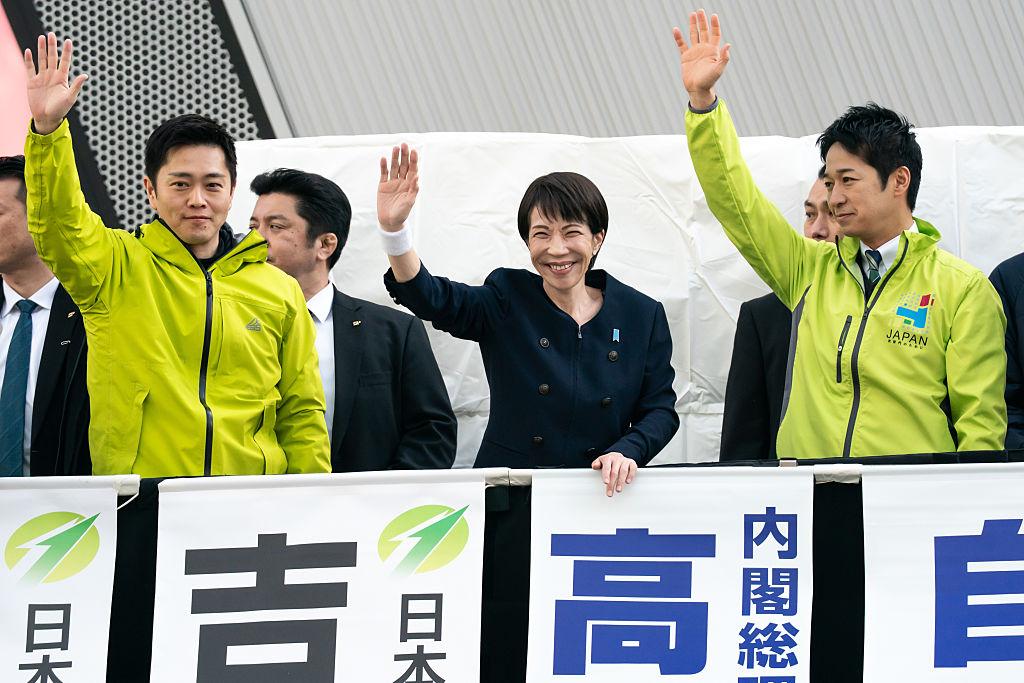
Voting Day Marked by Orderly Process Nationwide
Polling stations opened early across Japan, with long lines reported in several metropolitan areas. Election officials confirmed that voting proceeded without significant disruption, reinforcing confidence in the electoral process.
The orderly conduct of the vote strengthened public trust in the Japan election results, according to independent monitors, who praised transparency and administrative efficiency throughout election day.
Economic Policy Emerges as Central Theme
Economic concerns played a central role in shaping voter sentiment. Rising consumer prices, wage stagnation, and long term fiscal sustainability featured prominently in campaign debates.
Economists said the Japan election results suggest that voters favored incremental reform over abrupt change, particularly as global markets remain volatile and supply chains continue to adjust post pandemic.
Security and Diplomacy Influence Voter Outlook
Regional security dynamics also factored into voter decision making. Japan’s strategic posture in East Asia and its alliance commitments were frequently referenced during the campaign.
Analysts noted that the Japan election results indicate public approval of a steady diplomatic approach, balancing deterrence with dialogue amid shifting geopolitical conditions.











Leave a Reply