


Washington, United States | January, 2026 — A powerful and fast-expanding winter weather system swept across the country on Monday, triggering a severe US winter storm travel disruption that forced the shutdown of major airports, closed highways, and stranded millions of travelers. The storm, driven by Arctic air and moisture-heavy systems, arrived during one of the busiest winter travel periods, magnifying its national impact.
Federal and state authorities issued repeated safety warnings as snow, ice, and dangerous winds paralyzed transportation networks from the Midwest to the Northeast. Emergency declarations were enacted in multiple states as conditions deteriorated rapidly overnight.
How the Storm Formed and Why It Intensified So Quickly
Meteorologists explained that the storm developed when a surge of Arctic air collided with warm, moisture-laden systems moving northward. This collision created ideal conditions for heavy snowfall and freezing rain, particularly across densely populated regions.
As temperatures dropped sharply, snowfall rates increased beyond forecasts. The expanding US winter storm travel disruption caught many transportation operators mid-cycle, forcing immediate and large-scale shutdowns to ensure public safety.
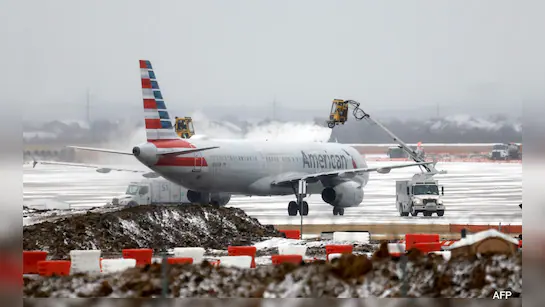
Airports Overwhelmed as Flights Are Grounded Nationwide
Major aviation hubs including Chicago, New York, Boston, and Denver reported cascading flight cancellations as runways became unsafe and aircraft required repeated de-icing. Airlines emphasized that safety protocols left no alternative but to suspend operations.
Industry analysts noted that modern aviation systems operate on tightly synchronized schedules. When a US winter storm travel disruption spans multiple regions simultaneously, delays compound rapidly and recovery becomes increasingly complex.
Runway Safety and Crew Limitations Add to Delays
Beyond weather conditions, airlines faced crew displacement issues as pilots and cabin staff were unable to reach assigned airports. Aircraft were also left out of position, further slowing recovery efforts.
Officials said these operational challenges explain why a US winter storm travel disruption can linger long after snowfall ends, with delays continuing for days rather than hours.
Highways Shut Down as Ice and Snow Create Dangerous Conditions
Road travel was equally affected as snow-covered highways and black ice led to hundreds of accidents. Several interstate highways were temporarily closed after multi-vehicle collisions blocked emergency access.
Transportation departments urged residents to avoid unnecessary travel, warning that response times were delayed due to hazardous conditions. The US winter storm travel disruption affected commuters, freight operators, and emergency responders alike.
Rural Communities Face Isolation Risks
In rural areas, secondary roads became impass










Leave a Reply