


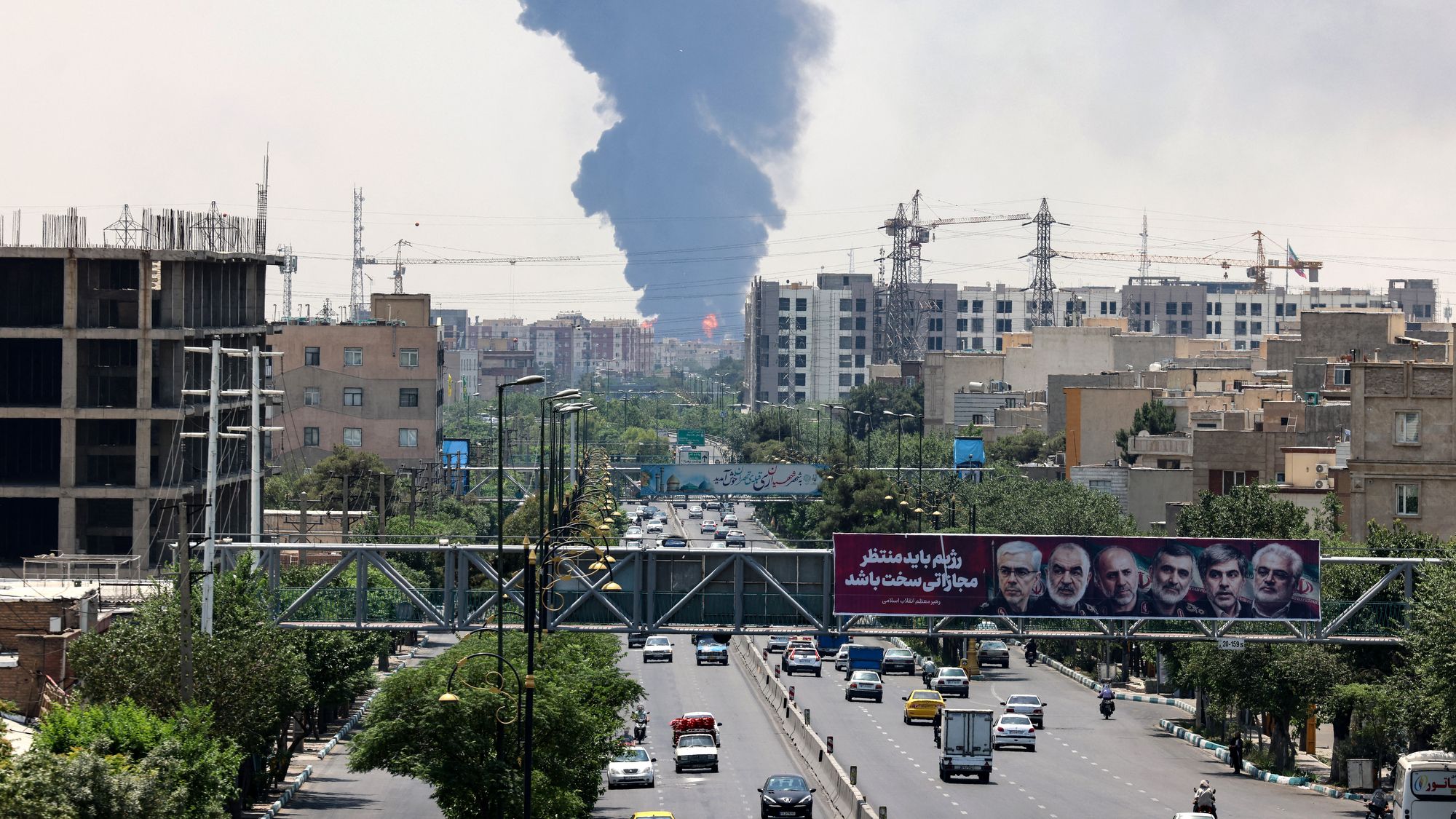
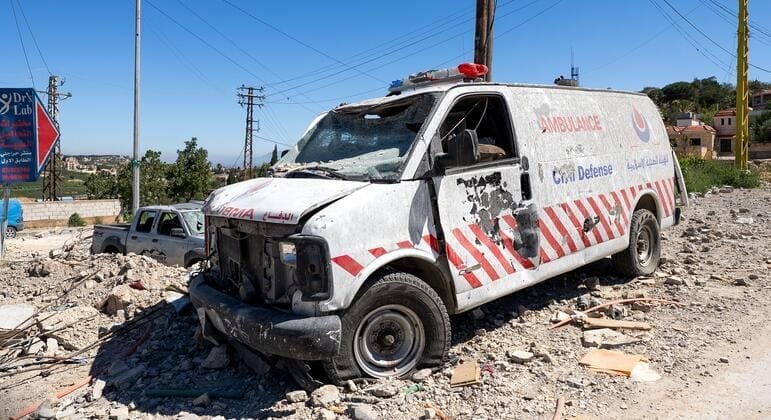
Iran, January 2026 — According to Eurotoday Newspaper, a semi-official Iranian news agency has reported that dozens of emergency medical vehicles have been damaged or destroyed over recent days, placing renewed pressure on already stretched healthcare services. The reports that Iranian ambulances hit have quickly drawn domestic and international attention, highlighting the vulnerability of medical infrastructure during periods of unrest and insecurity. While independent verification remains limited, the scale of the reported damage has intensified debate about the protection of emergency responders and access to urgent care.
The claims come amid heightened tensions in several urban areas, where emergency call volumes have surged. Medical professionals warn that the loss of ambulances can significantly delay treatment for critical patients, compounding risks in densely populated cities where rapid response is essential.
Details Emerging From Semi-Official Reporting
The semi-official agency stated that multiple ambulances were rendered unusable after sustaining damage while responding to emergency calls. Some vehicles were reportedly affected by fire, while others suffered structural damage that left them unable to operate safely. Officials cited logistical and financial challenges in replacing vehicles at short notice.
In this context, Iranian ambulances hit reflects more than isolated incidents. It points to a broader strain on emergency systems that rely on mobility, coordination, and speed. Emergency managers note that each damaged vehicle reduces coverage and increases pressure on remaining resources.
Emergency Medical Services Under Intensifying Pressure
Ambulances form the backbone of urban emergency response, bridging the gap between patients and hospitals. When fleets are reduced, response times lengthen and outcomes can worsen, particularly for trauma, cardiac emergencies, and severe injuries.
Medical experts stress that Iranian ambulances hit represents a disruption to life-saving chains of care. Even small reductions in fleet availability can have outsized effects during peak demand periods, forcing difficult triage decisions and increasing the burden on hospital emergency departments.
Frontline Healthcare Workers Voice Safety Concerns
Paramedics and emergency drivers often work in unpredictable conditions, navigating congestion, debris, and security risks. Reports of damaged ambulances have heightened anxiety among frontline staff, many of whom already face long hours and limited resources.
Professional associations argue that incidents described as Iranian ambulances hit underscore the need for clearer safety protocols and coordination to protect responders. They emphasize that medical personnel and vehicles should be shielded from harm regardless of broader circumstances.
Urban Centers Bear the Brunt
According to the agency, most of the reported damage occurred in large cities where emergency demand is highest. Dense populations, narrow streets, and intermittent disruptions complicate access for responders.
Observers warn that Iranian ambulances hit






Leave a Reply