



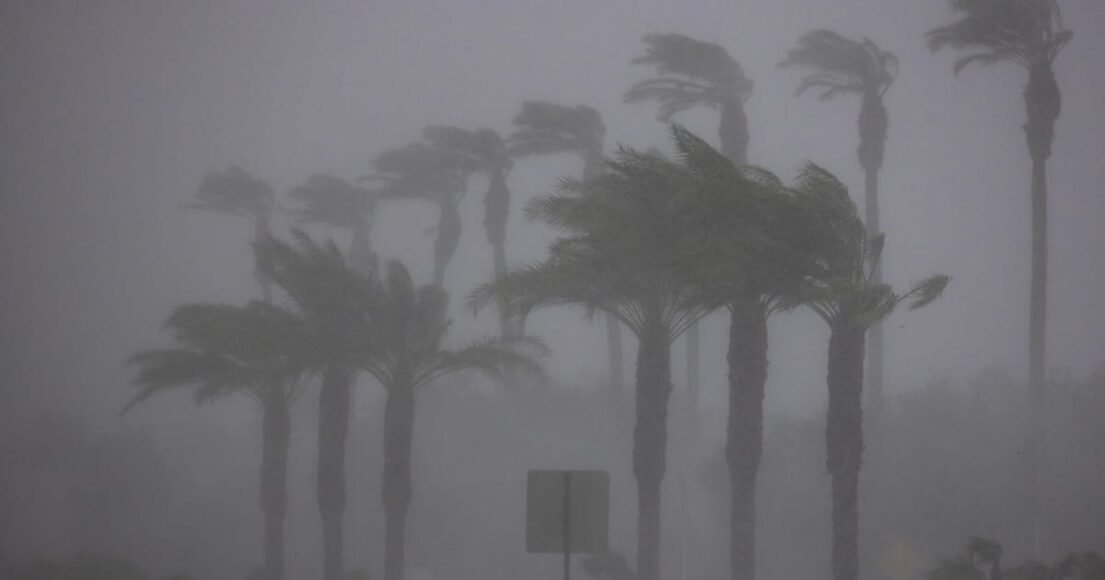
In Jamaica, three women are striving to rebuild their lives after a hurricane devastated the island. Just before Hurricane Melissa struck in late October 2025, Rose* took her two children to a friend’s sturdy concrete house for safety. Returning the next day, they found everything destroyed.
“The house was gone,” she said. “I didn’t even see the roof, just a piece of wood.”
The hurricane shattered entire neighborhoods, damaging or destroying 36% of homes in the western region. Schools turned into temporary shelters as classrooms became makeshift housing. Roads vanished underwater, power outages were widespread, and thousands were isolated for days.
Nearly half a million people now live in precarious conditions, facing deep uncertainty. Among them are Rose, Sharon, and Sonia—three mothers whose lives were altered overnight.
For nine years, Rose lived in a small wooden house, a donated structure that had been a family refuge. Now, only the foundations remain. “I have the key to the house but no house,” she said. The air was filled with the smell of mud and rot; nothing could be salvaged.
Before the storm, Rose worked as a cruise ship dispatcher in Negril, and her son as a hotel photographer. Both lost their jobs when tourism shut down.
A few classrooms away, Sharon* faces a similar hardship. She and her two young children arrived at the shelter the same day her home and her father’s house collapsed. Before the storm, she was a supervisor at a gas station, now closed indefinitely. Her children sleep on desks in the stifling heat.
Amid rows of desks and makeshift beds, families share what little they have: a meal, a blanket, a few comforting words. Small acts of kindness forge fragile bonds in the face of loss.
Over 1,100 people still reside in 88 shelters in Jamaica, with more than 120,000 homes urgently needing repairs after Melissa’s destruction. Among them is Sonia*, who fled her coastal home carrying her grandson with heart disease. “I don’t know how to swim, so I grabbed him and ran,” she recalls.
Since the emergency began, the International Organization for Migration (IOM) has supported the Jamaican Government and the broader UN response, providing tarpaulins, shelter repair materials, hygiene kits, generators, and other essential goods to affected families.
For women like Rose, Sharon, and Sonia, every day is a test of endurance and solidarity. Their homes are gone, but community support helps them move forward. Their once separate lives are now connected by loss, uncertainty, and the gradual process of rebuilding.
*Names changed to protect identities.








Leave a Reply