


Vienna – Following the introduction of the proposed future EU multiannual budget, Austria has reiterated its stance in negotiations. European Minister Claudia Plakolm (ÖVP) stated on Wednesday, “Given the EU fiscal rules and the consolidation of the Austrian budget, there can be no increase in Austria’s EU contribution.” Austria will also advocate for the rebate from previous negotiations and opposes debt financing.
Plakolm emphasized the obligation to repay Covid bonds, stressing, “There should be no spending that burdens future generations,” in a joint statement with Finance Minister Markus Marterbauer (SPÖ) and Foreign Minister Beate Meinl-Reisinger (NEOS).
Plakolm assured that Austria would “constructively contribute” to the EU Commission’s proposal for new revenue sources, concentrating on funds from which Austria benefits, particularly the Common Agricultural Policy and rural development, which need to be well-funded and independent. Marterbauer insisted on maintaining full funding from the European Social Fund and advocated that at least 30 percent of the EU budget should focus on climate goals.
While Marterbauer noted an increase in Austria’s EU contribution should be “avoided,” Meinl-Reisinger did not explicitly agree with this viewpoint. She stressed that the upcoming financial framework should enhance growth, competitiveness, and innovation, while also reinforcing security for Europe and Austria. She highlighted the necessity of managing limited resources, setting priorities, and ensuring a flexible EU budget that can respond better to crises and focus on investments in digital and green transitions and joint infrastructure projects.
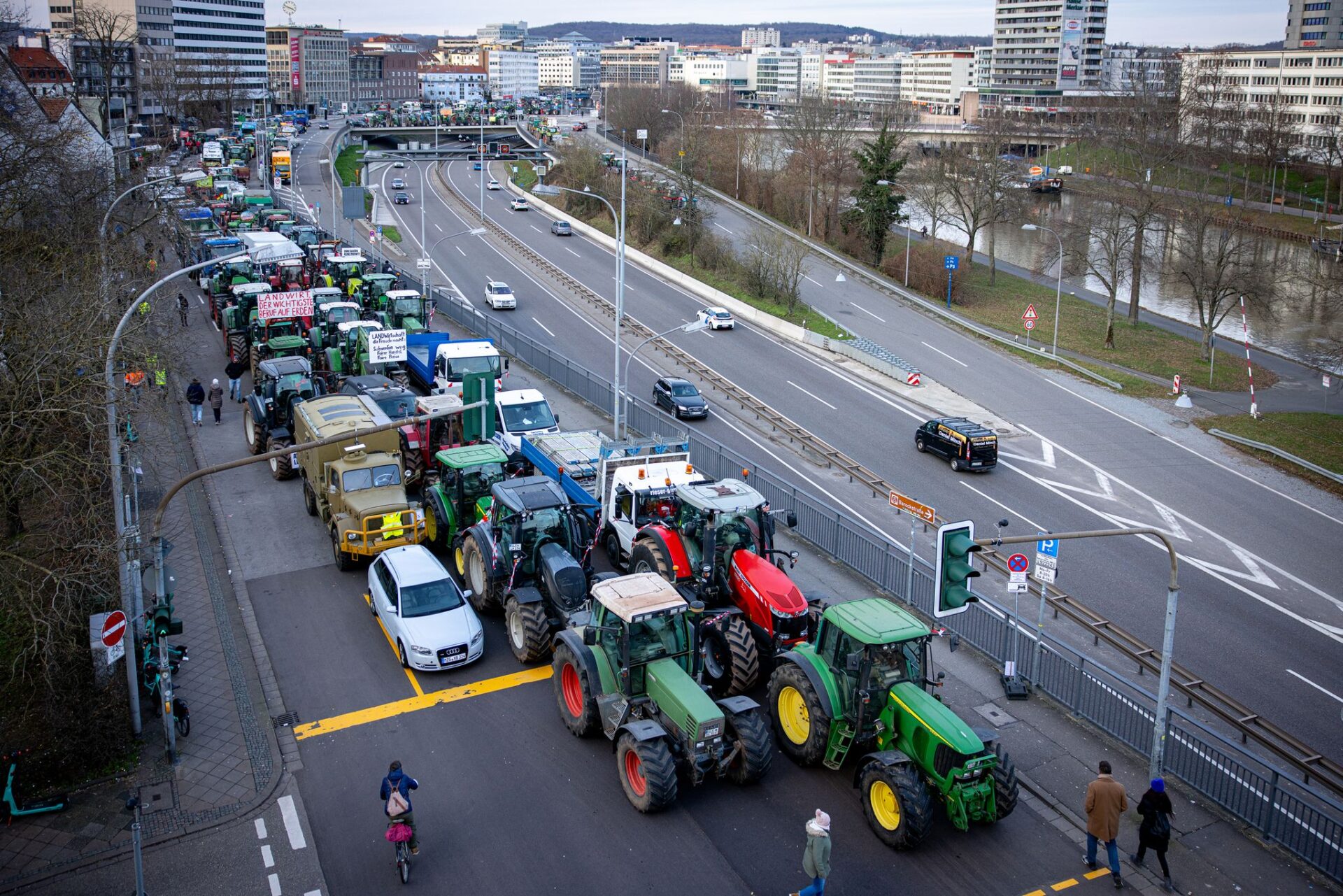
Agriculture Minister Norbert Totschnig (ÖVP) expressed concerns regarding the potential dismantling of the existing two-pillar structure in agricultural policy, calling it “a central danger” for Austrian agriculture. He warned that the European Commission’s plans jeopardize the survival of Austrian farmers reliant on the second pillar of the Common Agricultural Policy.
Sharp criticism emerged from the FPÖ as well. FPÖ delegation leader in the European Parliament, Harald Vilimsky, condemned the EU Commission’s proposals as a scandal, claiming they aim to inflate the budget further and establish new taxes, which he perceives as a move toward an EU central state. His colleague Roman Haider labeled the proposed budget increase to 2 trillion euros as “completely unacceptable” and criticized the idea of political conditionality attached to EU fund allocations. He called for a rejection of new debts and deemed additional EU resources unnecessary.
ÖVP delegation leader Reinhold Lopatka emphasized the need to “stabilize our EU contribution and not increase it” amid the necessity for budget consolidation, opposing any new joint borrowing. Agriculture spokesperson Alexander Bernhuber criticized the creation of a joint fund for regional and agricultural funding, warning it could undermine supply security and disrupt competition.
SPÖ delegation leader Andreas Schieder welcomed the proposal for a higher budget framework but cautioned against potential dilution of political goals due to overly flexible funding structures and the planned 27 national plans, which could lead to fragmentation.
Green delegation leader Thomas Waitz expressed alarm over the EU Commission’s proposal to merge regional and agricultural funding, criticizing the transfer of control to member states. While he supported the idea of EU own resources like a corporate tax, he noted the absence of alternatives such as a digital tax or a financial speculation tax.
Farmers’ representatives were outraged, with Josef Moosbrugger, president of the Austrian Chamber of Agriculture, stating that the proposals threaten the foundation of the Common Agricultural Policy and supply security, describing the EU Commission’s actions as detrimental to sustainability and agricultural stability.
The Industrial Association viewed the Commission’s proposals positively, noting that combining various programs into larger thematic funds allows for greater flexibility, transparency, and efficiency. However, they expressed concerns regarding some new own resources, particularly corporate taxes and levies on electronic waste and tobacco, arguing that additional taxes would adversely affect the Austrian economy by burdening key employment and growth sectors.
EU Budget Commissioner Piotr Serafin presented the EU Commission’s proposal for the next multiannual budget in the Brussels EU Parliament on Wednesday, suggesting an increase from 1.211 trillion euros to 2 trillion. Initial proposals indicate cuts to the Common Agricultural Policy while increasing funding for defense and security. Furthermore, the proposal includes five new revenue sources to address the repayment of debts from the Corona recovery fund starting in 2028, such as taxes on tobacco, corporate taxes, emissions trading, and electronic waste. (18.07.202







Leave a Reply