


After three years of conflict in Ukraine, the statistics present a bleak picture for both European nations and Ukraine.
Since Russia’s invasion, countries within the EU have expended more on acquiring fossil fuels such as oil, coal, and gas from Russia than on economic aid to Ukraine.
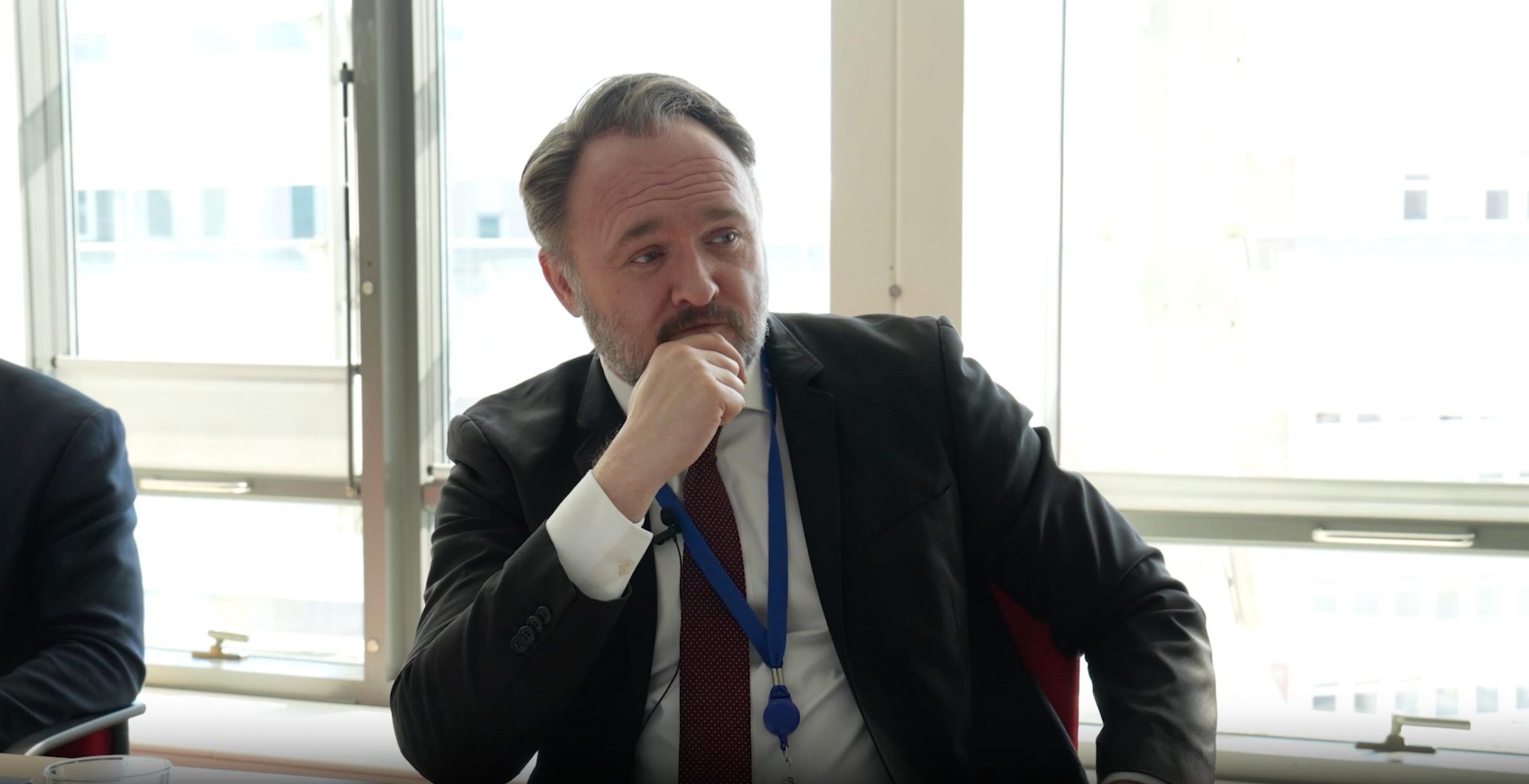
“This clearly cannot continue. We are indirectly contributing to filling Putin’s war funds,” stated Dan Jørgensen, the EU Commissioner for Energy and Housing.
This situation highlights the urgent need for the EU to reduce its reliance on Russian energy sources, as emphasized by the Danish Commissioner in an interview with the European Newsroom, a collaborative effort among news agencies, including Ritzau.
“On the other hand, during this same period, European nations have spent more on Russian fossil fuels than we have provided in assistance and support to Ukraine,” Jørgensen noted.
The independent research entity Centre for Research on Energy and Clean Air (Crea) estimates that since Russia’s invasion on February 24, 2022, the EU’s 27 member states have collectively spent over 205 billion euros on Russian fossil fuels, which include oil, coal, and gas.
In contrast, the latest data from the EU Commission indicates that the EU has collectively aided Ukraine with 138.2 billion euros during that timeframe, with 1.5 billion euros of that amount originating from revenues generated from seized Russian assets.
This translates to Danish kroner, where EU countries have spent approximately 1,527 billion kroner on Russian energy.
In comparison, the economic support provided to Ukraine amounts to about 1,030 billion kroner.
According to Crea’s analysis, countries such as France, Hungary, Belgium, Slovakia, and the Czech Republic continue to import Russian energy. Notably, some of the Russian energy imported into France is subsequently transferred to Germany.
To encapsulate the scale of European energy purchases from Russia during the conflict, Dan Jørgensen remarked, “In other terms, we have spent enough to buy 2,400 new F-35 fighter jets.”
Jørgensen had previously outlined a strategic plan to wean the EU off Russian energy within the first 100 days of the new EU Commission, which commenced on December 1. However, this initiative has faced delays, with the timeline pushed back twice, although he assures it will be unveiled in “a few weeks.”
When asked about the reasons for the delays in the plan to liberate the EU from Russian energy dependencies, Jørgensen responded, “The plan may be delayed, but our drive toward independence is ongoing. This is a complex issue. If it were straightforward, we would have achieved it three years ago.”
These delays come at a time when U.S. President Donald Trump is advocating for a ceasefire between Ukraine and Russia.
However, Dan Jørgensen firmly denied that the EU Commission’s postponement of the plan was intended to avoid interfering with peace negotiations. “No,” he simply stated when asked if the peace talks were the cause of the delays.
He elaborated, “One of many factors we must consider is that the transition should not adversely affect our citizens and businesses.” Jørgensen hinted that EU nations heavily reliant on Russian energy need sufficient time to find alternatives to prevent significant price hikes.





Leave a Reply