


Escalating Syrian Crisis: Overwhelmed Healthcare System and Refugee Hardships
The evolving situation in Syria has grown more complex following significant developments since late November 2024, leading to the fall of the Assad regime. These events have introduced new layers to the ongoing crisis, including large-scale population displacements and the return of refugees from neighboring countries.
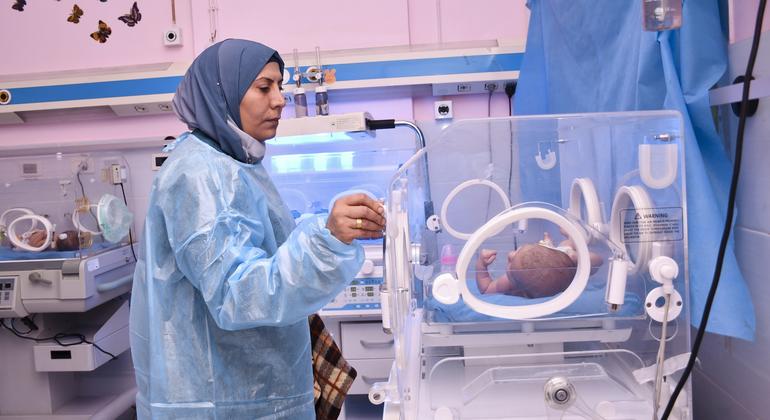
Since November, over 882,000 Syrians have been displaced due to escalating violence, placing immense pressure on the country’s already fragile healthcare system. The World Health Organization (WHO) has reported a sharp increase in attacks on health facilities, with 37 incidents recorded in just the past month. Over half of Syria’s hospitals are now non-functional, and 141 health facilities in northern Aleppo and Idlib face imminent closure due to a lack of funds.
—
A Healthcare System Under Unprecedented Strain
“The health infrastructure in Syria is under severe strain, more than ever before,” said Christina Bethke, acting WHO Representative for the country.
WHO teams are actively providing essential healthcare services, including operating mobile clinics, reviving immunization programs, and integrating mental health support into healthcare facilities—particularly for individuals affected by trauma.
“This appeal is about safeguarding health and dignity while offering Syrians hope for a safer future,” Bethke emphasized.
WHO’s six-month strategy, if fully funded, aims to strengthen trauma care, deploy ambulances, restore maternal and child health services, enhance disease surveillance, and ensure timely patient referrals. The organization also plans to reinforce health system coordination through its hub in Gaziantep, Türkiye, which supports services for approximately five million Syrians, including those in hard-to-reach areas.
—
Refugees Face Mounting Challenges Upon Return
In parallel, the UN High Commissioner for Refugees (UNHCR) has highlighted the severe challenges faced by displaced populations and returning refugees. Vulnerable groups, including women, children, and persons with disabilities, are particularly affected.
Many returnees from neighboring countries are grappling with dire living conditions, often forced to live in tents, with extended family members, or endure exorbitant rental costs due to the destruction of their homes. Additionally, unexploded ordnance (UXO) in former frontline areas, particularly in agricultural lands and abandoned homes, poses a significant danger.
Returnees have also voiced the need for legal assistance, psychosocial support, and the rehabilitation of schools.
To address these challenges, UNHCR partners in Aleppo, Hassakeh, Ar-Raqqa, and rural Tartous have resumed critical protection programs. These initiatives include ensuring children remain engaged in safe activities, distributing relief items, offering livelihood grants, preventing sexual violence, and raising awareness of the dangers of UXOs and other hazardous remnants of war.
—
A Coordinated Appeal for Relief
Both WHO and UNHCR continue to advocate for urgent international support to address Syria’s escalating crisis. WHO has launched a flash appeal for $56.4 million to respond to critical healthcare needs, while UNHCR and its partners work to provide essential services to some of the most vulnerable populations affected by the conflict.
Syria’s future remains uncertain, but these efforts aim to provide immediate relief while laying the groundwork for a more stable and secure tomorrow.









Leave a Reply