Wildfires Threaten Europe’s Outdoor Workers

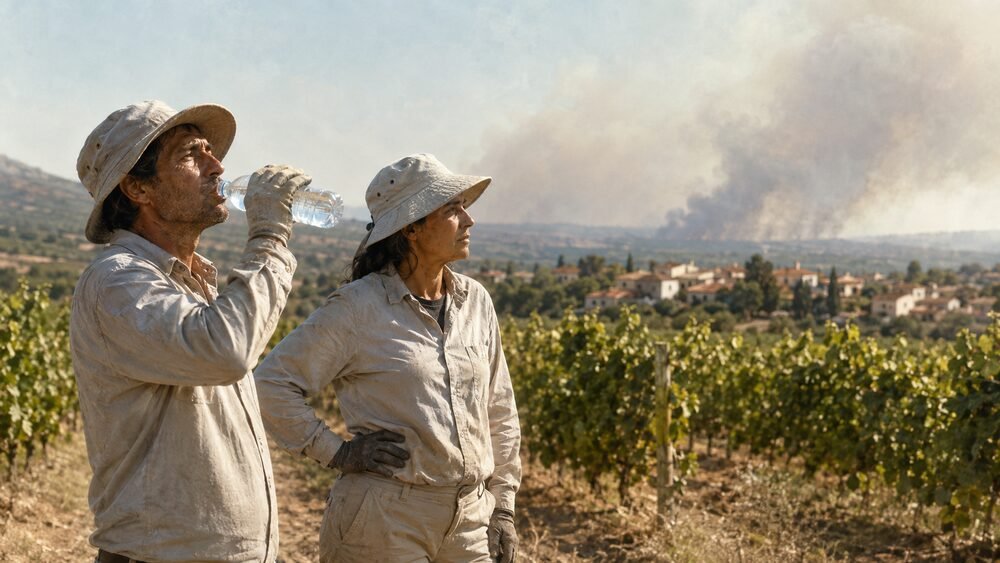
Wildfires and extreme heat in France and Spain highlight a broader workplace-safety issue in Europe. While fire crews face the most visible danger, agricultural workers, builders, delivery riders, and municipal employees also endure long hours in hazardous heat and smoke. Protecting these workers requires more than public warnings; practical plans are needed to enable work to slow or stop without financial consequences for workers.

The fires that led to evacuations in late July have put pressure on emergency services and local communities. The European Union has assisted with aircraft, firefighters, vehicles, and satellite mapping through its Civil Protection Mechanism.

Cross-border aid is vital, yet danger extends beyond evacuation zones. High temperatures, smoke, and physical labor can endanger people far from flames.

Outdoor workers vary in roles, from operating machinery to harvesting crops, road repairs, waste collection, public space maintenance, and city deliveries. Their exposure depends on temperature, humidity, air quality, protective gear, workload, and access to water and shade.

Risks are affected by employment conditions. Permanent municipal employees can report symptoms or request schedule changes more easily than seasonal farm workers paid by output. Subcontracted builders or platform couriers may fear loss of income if work is suspended. Migrant workers might receive late alerts, face language barriers, or be unsure of their rights.

Extreme heat is a labor-rights issue as well as a weather emergency. Advising people to avoid strenuous activity is ineffective when wages are tied to continuing work.

Smoke adds uncertainty. Air pollution affects communities beyond fire zones, with wind and fire behavior changing rapidly. Employers must follow air-quality and emergency information throughout the day, not just at shift start.

The EU’s workplace guidance on heat advises employers to assess exposure and organize work accordingly. Measures include reliable water access, shaded or cooled rest areas, frequent breaks, lighter workloads, schedule changes, and acclimatization time.

Effective measures should be agreed upon before crises. A written plan should specify who monitors conditions, when work is modified, which tasks are postponed, and how workers report symptoms. Supervisors must have the authority to act proactively.

Paid rest is crucial. A break that reduces precarious workers’ earnings may exist on paper but fail in practice, as with stop-work arrangements if employees fear punishment, replacement, or loss of future shifts.

Information should be available in languages and formats understood by all workers, including temporary staff and those employed through contractors. Rapid heat exhaustion symptoms necessitate clear instructions on seeking medical help.

Employers must manage workplace risks, but public authorities play a key role too. Heat and smoke alerts should link weather info with occupational guidance. Labor inspectorates need capacity to respond during emergencies, especially in sectors relying on seasonal or subcontracted labor.

Municipalities can adjust working hours, open cooling spaces, and provide advice to local businesses. Public bodies can require credible heat-protection plans through procurement contracts for construction, cleaning, transport, and maintenance providers.

Companies in the supply chain should assess whether delivery schedules, agricultural purchasing practices, or construction deadlines promote unsafe work. Suppliers should not be penalized for halting activity when warnings or conditions make work dangerous.

Climate adaptation must include worker protection. Europe’s experiences show that extreme heat cannot be treated as a temporary issue. Adaptation should extend to work organization, with shaded agricultural facilities, cooler building materials, improved urban tree cover, and better-designed working hours reducing exposure before emergencies.

Emergency crews and firefighting aircraft are indispensable when flames threaten lives and property. A credible European response must also ensure the safety of workers under the same sky. No worker should have to choose between income and avoiding preventable injury.

Comments

One response to “Wildfires Threaten Europe’s Outdoor Workers”

  1. Buckshot Avatar

    Oh, lovely, another summer of “let’s see how much heat our workers can take” – who needs a vacation when you can roast in the sun? 😅 Just remember, while the fire crews get the glory, it’s our brave outdoor workers sweating it out like sausages in a pan!

  2. Berlin Kamikaze Avatar
    Berlin Kamikaze

    Looks like outdoor workers in Europe are getting a real-life lesson in extreme team-building exercises—who needs a gym when you can sweat it out battling wildfires? 🔥💼

Leave a Reply

Your email address will not be published. Required fields are marked *

Last News

ECR Claims Ceuta Crisis Stems from "Years of Weakness"

ECR Claims Ceuta Crisis Stems from "Years of Weakness"

Some MEPs say the renewed migration crisis in Ceuta “once again demonstrates the consequences of migration policies that send the wrong signals.”
The claim, by the ECR group in the EU parliament, comes as 60,000 people are locally estimated to have crossed into the Spanish North African enclave of Ceuta from Morocco in the last 24 hours.
It appears that this is part of an apparent attempt to ove

Read More

Wildfires Threaten Europe’s Outdoor Workers

Wildfires Threaten Europe’s Outdoor Workers

Wildfires and extreme heat in France and Spain highlight a broader workplace-safety issue in Europe. While fire crews face the most visible danger, agricultural workers, builders, delivery riders, and municipal employees also endure long hours in hazardous heat and smoke. Protecting these workers requires more than public warnings; practical plans are needed to enable work to slow or stop without

Read More

A Major Milestone for Belgian Animal Park

A Major Milestone for Belgian Animal Park

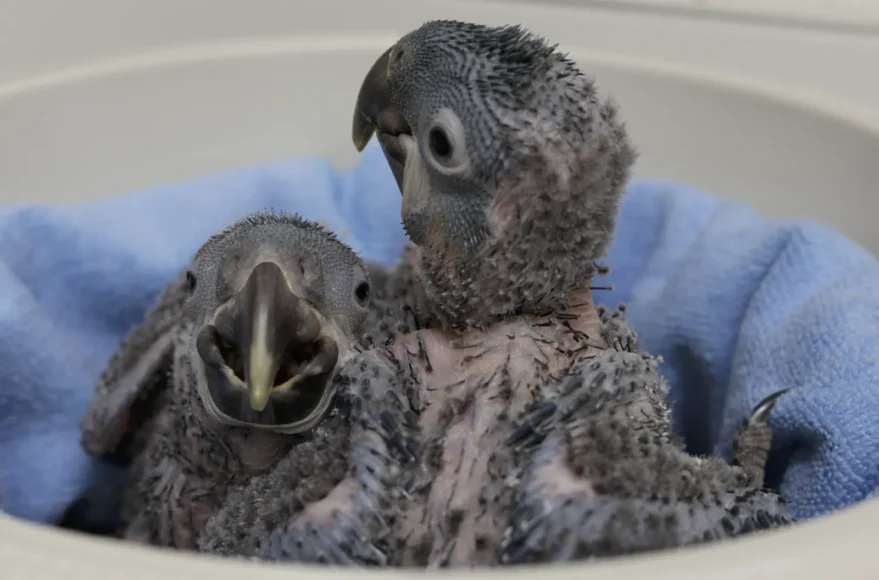
A Belgium conservation centre has chalked up a world first.
With the birth of two Lear’s macaws, Pairi Daiza has become the only nature conservation centre open to the public in the world to have successfully bred all three species of blue macaw on Earth: the hyacinth macaw, the Spix’s macaw and the Lear’s macaw.
On 1 and 3 July, two Lear’s macaws (Anodorhynchus leari) were born at Pairi Daiza’s

Read More

Roma Holocaust Remembrance Confronts Europe’s Present

Roma Holocaust Remembrance Confronts Europe’s Present

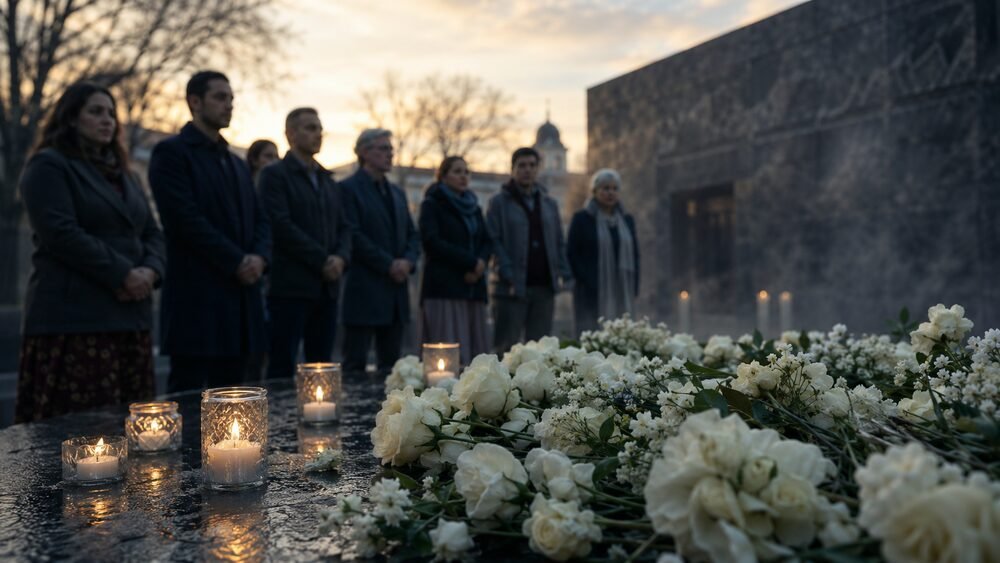
Europe will observe Roma Holocaust Memorial Day on 2 August, honoring the Roma and Sinti victims of Nazi atrocities and facing a history that was long overlooked in public memory. The day is a reflection of the present: remembering is ineffective unless European bodies and governments tackle the ongoing discrimination Roma communities face in education, housing, employment, and public life.
On th

Read More

Andy Burnham Urges Gianni Infantino to Resign from FIFA

Andy Burnham Urges Gianni Infantino to Resign from FIFA

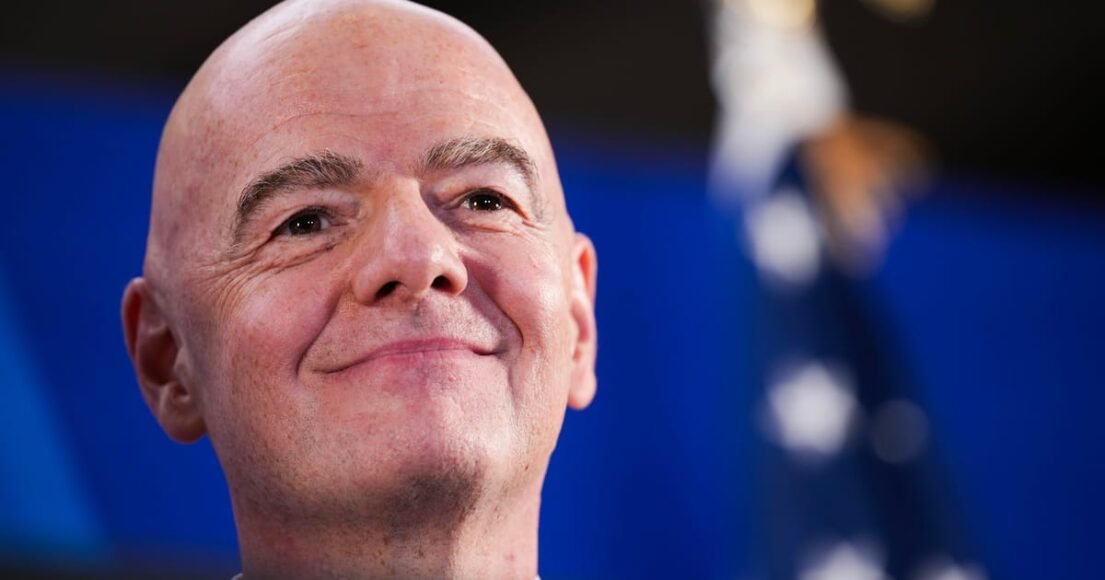
“The notion that this could even be considered, in my opinion, indicates that the FIFA president is unfit to lead the organization.”
Upon being informed that FIFA is proceeding with its plan despite widespread opposition, including from UEFA, the PM reacted: “Oh wow. Have they actually done that? Oh wow.”
Burnham, who has long advocated for community ownership of football clubs, tweeted earlier th

Read More

Leading Airline Nurtures Future Aviation Talent

Leading Airline Nurtures Future Aviation Talent

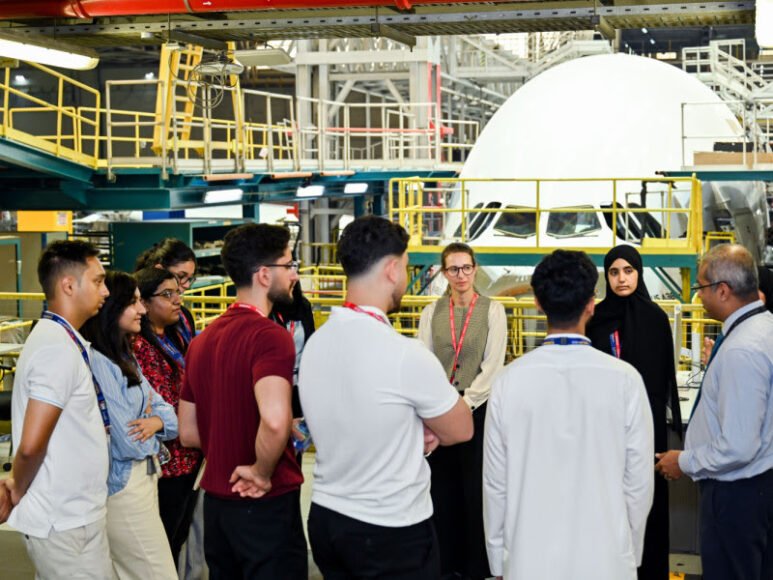
Emirates Engineering has launched Material Futures Studio, a six-week programme that challenges university students to reimagine retired aircraft materials and transform them into new products.
The initiative is led by the Upcycling department within Emirates Engineering.
The Material Futures Studio brings students together with aviation professionals to work on real-world industry challenges, e

Read More

Sankofa: Embracing Africa’s History to Shape Its Future

Sankofa: Embracing Africa’s History to Shape Its Future

Yodith Gideon has dedicated her career to supporting individuals in building businesses across two continents. Sankofa is currently available.
In Akan mythology, the Sankofa bird flies forward while looking back, embodying the idea of retrieving the past to give meaning to the future. In today’s world, facing climate change, debt issues, and authoritarianism, this ancient symbol is highly r

Read More

UK to Hold Budget on Oct. 28, Chancellor Announces

UK to Hold Budget on Oct. 28, Chancellor Announces

“Fiscal credibility is the foundation of economic stability and national security,” stated the chancellor in the letter. “That is why we will adhere to the fiscal rules, ensuring we maintain a buffer to protect against uncertainty and instability in the Middle East.”
Healey also promised that the budget will transfer “money and power out of Westminster, distributing it across every area in Britain

Read More

Summer Skiing: Why Not?

Summer Skiing: Why Not?

It is the height of summer….. so what better time for a spot of skiing?
Of course, we normally associated the sport with winter but it is a great activity at any time of the year.
And there is one venue in Belgium where that is particularly the case: The Ice Mountain Adventure Park.
Not only are the slopes there relatively quiet right now but there are some really terrific offers available for t

Read More

Sentimental Value: A Movie Review

Sentimental Value: A Movie Review

Joachim Trier explores family dynamics through stories and silences
Joachim Trier’s Sentimental Value is a thoughtful family drama that delves into estrangement, artistic legacy, and the fine line between truly understanding someone and turning them into mere content. Reuniting with screenwriter Eskil Vogt and actor Renate Reinsve, Trier tackles reconciliation while acknowledging that recognitio

Read More