


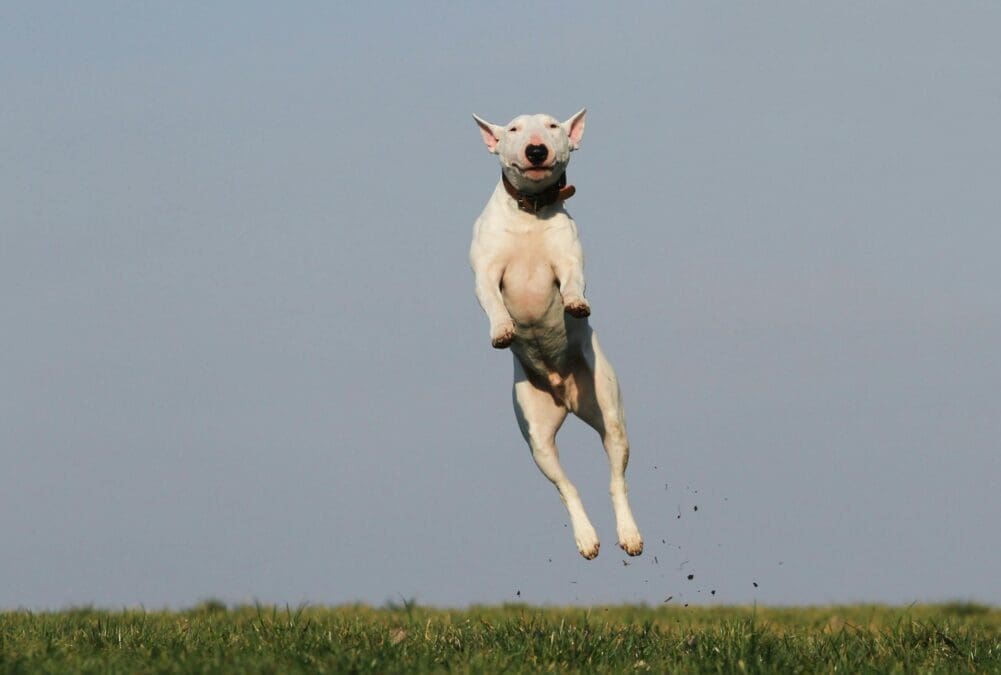
Here’s a rewritten version of your article:
—
Why Do Dogs Jump When They’re Excited?
It’s a scenario many dog owners know all too well. Does your dog leap into the air every time you walk through the door? Does the sight of their leash or the promise of a game of fetch send them into a frenzy of jumping? For most of us, this behavior is all too familiar and often taken as a given. But have you ever wondered why dogs do this?
The Reasons Behind the Jumping
Dogs jumping when they’re excited is actually a deeply ingrained natural behavior. When dogs meet one another, they often engage in face-sniffing and even licking. Your dog wants to greet you in the same way, but given your height advantage, they often resort to jumping to reach your face and get your attention.
Excitement is another common trigger for jumping. Dogs experience a wide array of emotions, and they often express their joy through jumping—whether it’s the happiness of seeing their favorite toy, spotting their leash (and knowing a walk is imminent), or anticipating you throwing a ball.
Sometimes, there’s a bit more to the behavior than simple excitement. Jumping can also serve as a way for dogs to assert their position in the social structure. By making themselves as tall as their human, dogs may subtly be attempting to establish authority or status within the “pack.” Conversely, jumping accompanied by face-licking may actually signal submission, a behavior passed down from their wolf ancestors. Among wolves, puppies lick their mother’s muzzle as a sign of affection and respect.
Additionally, jumping can stem from nervousness or fear. For example, if a stranger enters the home, your dog may feel uneasy and use jumping as a way to regain a sense of control in the situation. In some cases, it’s less about excitement and more about instinctual reactions to their environment.
Why You Shouldn’t Encourage Jumping
While the sight of an elated, jumping dog can be endearing, it’s important not to encourage this behavior. There are several reasons for this. For one, jumping can cause injuries—especially to small children or the elderly. There’s also the risk of scratches, muddy paw prints, or unintentionally reinforcing the behavior in situations where it becomes problematic.
You might be encouraging jumping without even realizing it. When you shower your dog with affection as they leap around at the door, they interpret your attention as a reward. To them, it signals that this kind of behavior is acceptable. Instead, it’s better to try ignoring the jumping. When your dog jumps, remain still, cross your arms, and avoid engaging. Wait calmly until they’ve stopped before giving them attention, rewards, or affection.
Reinforcing Calm Behavior
Training your dog to stop jumping requires patience, but persistence will pay off. Make an effort to reward calm behavior. Keep treats nearby and offer them whenever your dog greets you in a composed manner. Positive reinforcement helps your dog associate calm greetings with a more desirable outcome.
By discouraging jumping and rewarding calmness, you’ll create a more harmonious environment for both you and your canine companion. With time, your dog will learn that staying level-headed is the best way to get your attention—and perhaps even a treat!
—
Illustrative Photo by Pixabay: Pexels link











Leave a Reply