



A parent is informed that the antibiotic their child requires is unavailable. A cancer patient is shifted to an alternative treatment due to the usual medication being inaccessible. A pharmacist spends a significant portion of their day contacting wholesalers instead of advising patients. When people inquire about medicine unavailability, they are not merely questioning logistics. They wonder why a wealthy, highly regulated region cannot consistently provide essential treatments.
Medicine shortages are no longer rare disruptions. Across Europe, they have become a recurring public-health issue affecting patient safety, trust in institutions, and equitable access. The immediate reason might be straightforward – a product is out of stock. The deeper reasons lie where industrial policy, market incentives, regulation, geopolitics, and the fragility of modern pharmaceutical supply chains intersect.
Medicines become unavailable when there is an imbalance in demand, production, and distribution. This imbalance may stem from isolated events, but often arises from multiple small pressures occurring simultaneously. A manufacturer might encounter issues at a production site. An active ingredient could face border delays. A low-priced generic may become commercially unviable in a market. An unexpected winter surge in infections could deplete stocks planned for milder seasons. By the time patients hear of a shortage, the issue often began months earlier.
These shortages are hard to resolve swiftly. Medicines differ from ordinary consumer goods. Production is strictly regulated, quality standards are stringent for good reason, and replacing suppliers takes time. If only a few companies produce a certain product, a single factory problem can impact multiple countries.
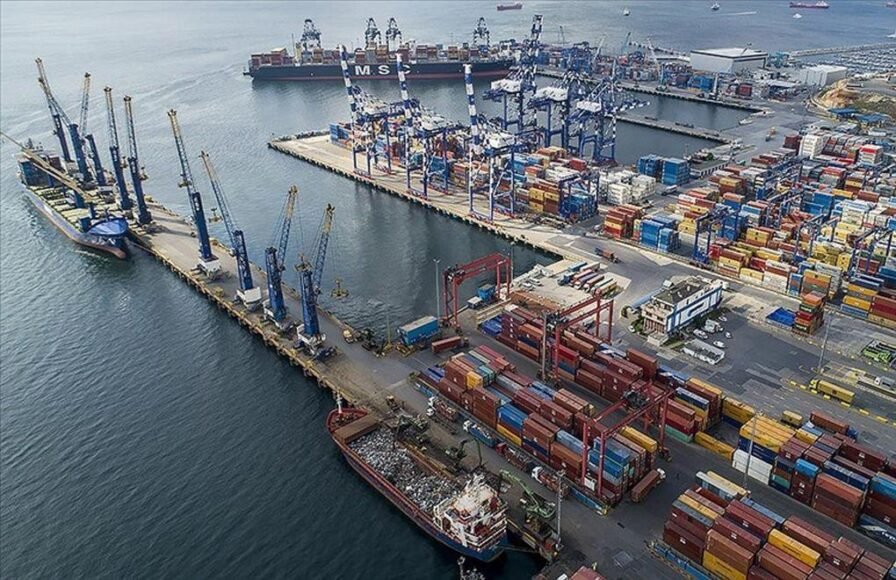
Europe has advanced health systems, yet many medicines depend on global manufacturing chains extending beyond the continent. Active pharmaceutical ingredients and finished products might be produced in various countries, go through intermediaries, and be packaged elsewhere before reaching local pharmacies or hospitals. This model can cut costs but also introduces concentration risk. If few sites produce a vital ingredient, any disruption can have significant impacts. A medicine might vanish from shelves not due to lack of demand, but because its supply chain was optimized for efficiency, not resilience.
This is crucial for older generics, which are often essential, widely prescribed, and relatively affordable. Yet, low prices can discourage investment in backup production capacity. The public expects them to be consistently available, while the market often rewards manufacturers for cutting margins to eliminate redundancy.
Sometimes, shortages reflect how medicines are purchased and priced. Governments and insurers aim to control spending. Tender systems and reference pricing can reduce costs for public budgets and patients. However, if these systems drive prices too low, some suppliers may exit the market or cut supply commitments. This does not imply lower prices are wrong, but highlights a trade-off. A health system can save on procurement while becoming more vulnerable to disruption if only a few companies remain willing to supply a medicine. In smaller markets, this may lead to delays, raising questions about fairness and economic implications.
Regulation exists to protect patients, ensuring medicines are safe and effective. But regulatory systems designed for safety can slow recovery during shortages. A manufacturer cannot instantly switch a site, change ingredient sources, or alter packaging. Variations require approval, quality inspections take time, and national regulations can differ.
Authorities have become more aware of this issue, especially after the pandemic revealed strategic medical supply dependencies. Yet, coordination is still limited. A medicine authorized at the EU level might be distributed through national systems with different reimbursement rules and stock practices, resulting in a fragmented response to a cross-border problem.
Demand surges can also trigger shortages, such as a severe flu season, respiratory infections, war-related displacement, panic buying, or new clinical guidelines. These events highlight how tightly systems are run, with limited reserves and manufacturers not keeping vast idle stock for emergencies. The pandemic underscored this, showing that health systems had become reliant on just-in-time delivery for non-negotiable essentials, creating a mismatch with public expectations.
Medicine availability is not only a technical issue but a governance challenge. If authorities fail to collect timely shortage data, provide clear guidance, or coordinate across borders, the burden falls on patients and front-line workers. Pharmacists are left to improvise, doctors must change prescriptions abruptly, and patients with chronic conditions may go without treatment. Shortages can exacerbate existing inequalities, especially for vulnerable groups.
Transparency is crucial. Patients should not rely on rumors or social media to understand medicine availability. Better reporting systems could reduce confusion and unsafe workarounds.
There is no single solution to medicine shortages, and politicians should be cautious about promising one. Increasing pharmaceutical production in Europe might enhance resilience but won’t eliminate every bottleneck and could raise costs. Strategic stockpiles require careful management, and faster regulatory flexibility should not compromise safety standards.
A credible approach involves layered strategies. Health authorities need better early-warning systems, clearer shortage reporting, and stronger cross-border coordination. Procurement should consider supply security, not just price. For critical medicines, governments might need to support diversified manufacturing or maintain reserve capacity.
It’s important to distinguish between ordinary products and systemically important medicines. If a treatment is essential









Leave a Reply