


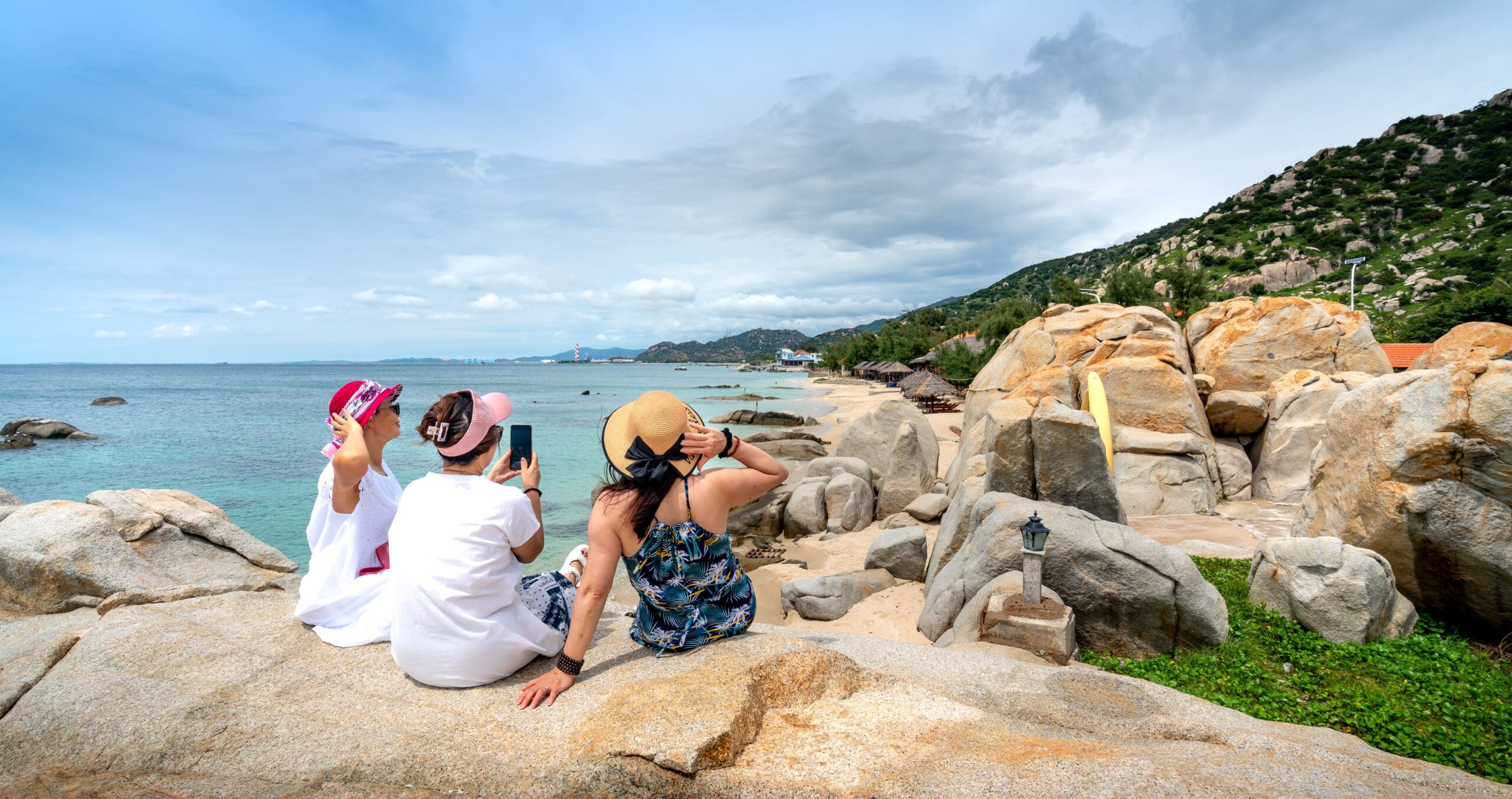
The onset of a vacation often follows a common pattern. Initially, we vow not to check our work chat. The next day, we might “just check” for urgent matters. By the third day, we begin to appreciate the waves, the coffee aroma, or the mountain air. Between turning off notifications and experiencing sound sleep, our brains undergo subtle rewiring.
Vacations, often seen as rewards or luxuries, are increasingly recognized by neuroscientists and psychologists as biological necessities. While we “rest,” the brain undertakes processes not possible in our deadline-driven, notification-filled everyday lives.
Initially, stress levels change. Stress elevates cortisol, a hormone keeping us alert. While beneficial short-term, prolonged high levels impair memory, concentration, and decision-making. After extended work periods, our brains feel “foggy.” As per the Cleveland Clinic, a few days away from routine can reduce stress hormones, enhancing mood, concentration, and problem-solving.
The real transformation begins when we stop constant activity. While relaxing, walking in a new city, or gazing out a train window, the brain activates the Default Mode Network. Contrary to its name, it’s not idle; it organizes information, processes memories, connects ideas, and solves subconscious problems. That’s why inspiration often strikes in the shower, during a walk, or by the sea.
New environments significantly impact us. Daily, the brain economizes, using familiar routes and habits. On vacation, novelty—new streets, languages, flavors, and faces—triggers neuroplasticity, forming new neural connections. Post-trip, we feel refreshed, creative, and receptive to new ideas. The Pacific Neuroscience Institute highlights travel’s stimulation of brain areas linked to memory, spatial thinking, planning, and learning, essentially “training” the brain.
Vacations can feel longer than a month at work. This isn’t a memory illusion but the brain’s way of recording experiences. Similar days create less distinct memories, making time seem to “vanish.” In contrast, travel offers new experiences, forming more “markers” and giving the impression of longer time and richer experiences.
Remarkably, positive changes begin before travel. Planning a vacation activates brain systems linked to reward anticipation, boosting mood and motivation weeks before departure. Anticipating “something good” can be as uplifting as the vacation itself.
Initially, vacations might not feel relaxing. After months of work, the brain doesn’t instantly switch off; it anticipates tasks, messages, and decisions. This causes initial anxiety as the nervous system adjusts from vigilance. Recovery truly starts afterward.
However, the effect isn’t lasting. Returning to work with emails, meetings, and calls can quickly revert the brain. Hence, experts advise a buffer day between vacation and work for smoother adaptation.
Science reassures us against guilt. Time spent in a hammock, watching sunsets, or wandering new streets isn’t “wasted.” Rather, it provides the brain what it needs for focus, creativity, and resilience upon returning to daily challenges. Sometimes, the most productive act is to rest.
Illustrative photo: pexels-quang-nguyen-vinh-222549-14036402










Leave a Reply