


Washington, February 2, 2026: Eurotoday Newspaper highlighted a significant shift in global commerce as the United States and India confirmed progress on the US India trade deal, marking a pivotal moment for bilateral economic engagement. The announcement, delivered during official briefings in Washington with parallel statements issued in New Delhi, underscored renewed momentum in trade diplomacy at a time when international markets are searching for stability.
The timing of the announcement drew immediate attention from policymakers, investors, and trade observers worldwide. Both governments framed the agreement as a forward looking step designed to reduce tariffs, improve regulatory coordination, and expand market access across key sectors. Officials emphasized that the understanding reflects sustained dialogue rather than short term political signaling.
Policy Signals From the US Administration
Senior officials in Washington described the agreement as a practical response to evolving global trade dynamics. The administration signaled that lowering trade barriers with India aligns with broader efforts to diversify supply chains and deepen partnerships with strategically aligned economies.
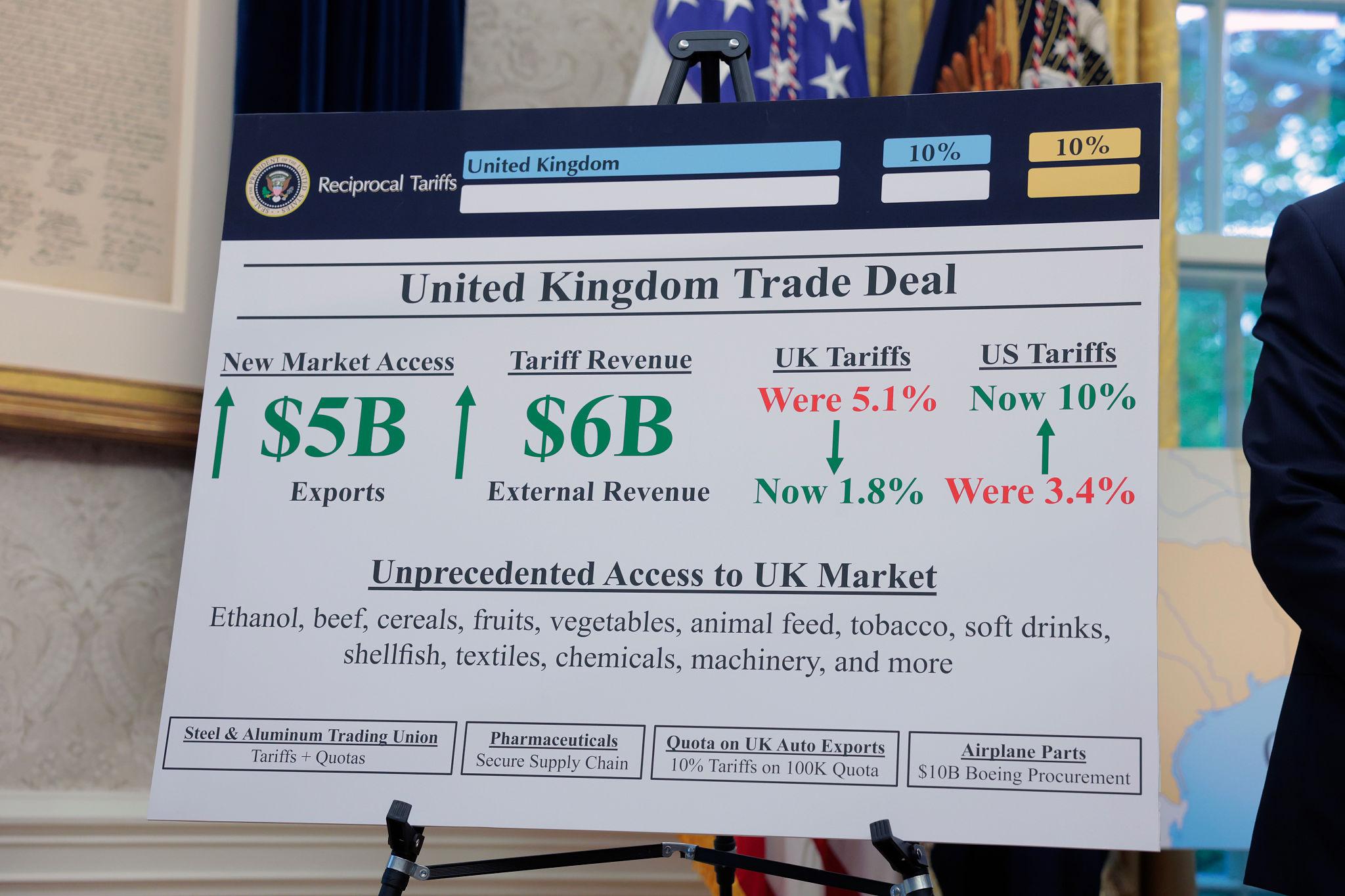
During remarks to journalists, Donald Trump said the agreement was structured to support domestic industries while creating new export opportunities abroad. He noted that discussions focused on balance and reciprocity, highlighting the importance of measurable outcomes.
This confirmation marked the second public reference to the US India trade deal, reinforcing its prominence within the administration’s economic agenda.
India’s Strategic Economic Positioning
Indian officials welcomed the announcement, describing it as a constructive step toward strengthening commercial ties with the United States. Policymakers in New Delhi said the agreement reflects India’s broader strategy to integrate more deeply into global markets while maintaining policy flexibility at home.
Commerce officials indicated that the US India trade deal supports India’s manufacturing ambitions and export diversification goals. They added that negotiations were guided by long term economic priorities rather than immediate political considerations.
Tariff Adjustments and Market Access
At the core of the agreement is a framework for gradual tariff reductions across selected categories of goods. Trade specialists said this approach allows industries on both sides to adapt without sudden disruption.
Lower duties are expected to reduce costs for manufacturers and importers, particularly in sectors with established cross border trade flows. Analysts said the tariff component of the US India trade










Leave a Reply