


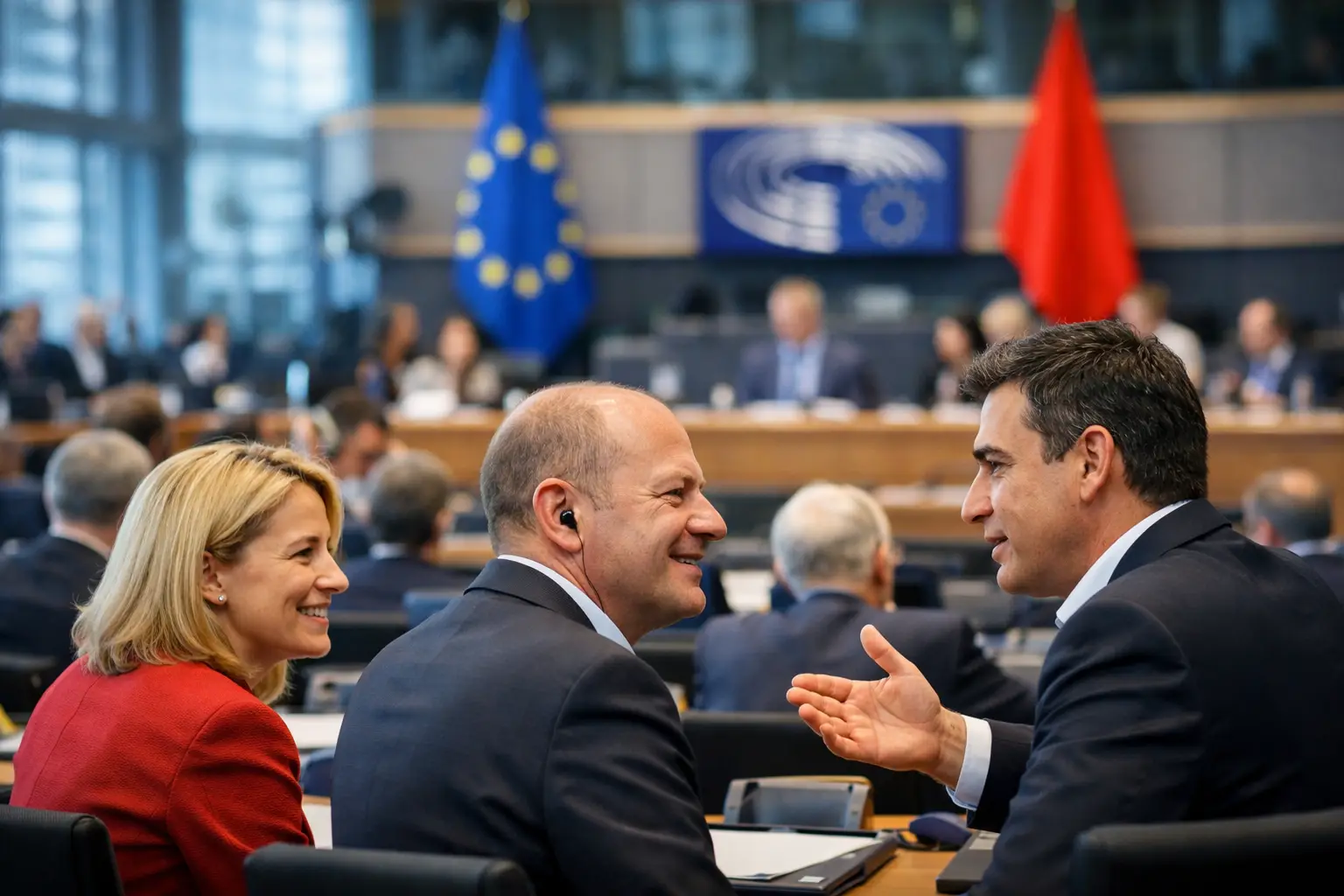
When the balance of power in Brussels shifts slightly, the S&D group in the European Parliament can become pivotal. For those monitoring EU law, democratic standards, or social policy, this is not a minor parliamentary bloc. It is a central force influencing what the European Parliament supports, opposes, or modifies.
The Progressive Alliance of Socialists and Democrats, or S&D, unites center-left MEPs from across the European Union. It is not a single national party and differs from the Party of European Socialists, though they are closely linked. The S&D group is the parliamentary entity within the European Parliament, where MEPs coordinate votes, negotiate deals, and delegate committee tasks.
This distinction matters because parliamentary groups are where much of the political negotiation occurs. Observers often focus on national leaders or the European Commission, yet legislation is also shaped by who controls rapporteurships, committee majorities, and amendment packages. In this arena, S&D has long been a major player in Parliament.
What the S&D group in the European Parliament stands for
S&D presents itself as the main center-left force in EU politics, emphasizing social justice, labor protections, anti-discrimination laws, gender equality, climate action linked to a just transition, and support for multilateralism. It often advocates for stronger EU-level actions on workers’ rights, public services, and social investment.
This position places the group in recurring tension. It desires market regulation and enhanced social safeguards but operates in a Parliament that requires compromise with liberals, greens, and the center-right European People’s Party. As a result, its public rhetoric may sound more radical than the final legislative outcomes it endorses.
For rights-focused individuals, S&D is significant because it generally takes a firmer stance than the center-right on rule of law, anti-racism, and civil liberties issues. This does not mean it is uniform internally. National delegations vary, and on topics like migration, security, or foreign policy, internal differences can quickly emerge.
Why the S&D group matters beyond party labels
The European Parliament does not operate like a traditional national parliament with a government and opposition in the usual sense. Major issues often pass through dynamic coalitions, giving large groups like S&D substantial leverage even when not the largest force.
Its influence is especially evident in committee work, where policy details are crafted. Employment, civil liberties, gender equality, public health, and development issues are areas where S&D voices often carry significant weight. If the group takes a robust stance early, it can shape the negotiation baseline for the rest of the chamber.
This influence extends beyond institutional procedures because Parliament decisions impact daily life. Platform work rules, pay transparency, anti-money laundering standards, migration rules, emissions policy, and sanctions frameworks all affect rights, livelihoods, and democratic oversight. A vote by S&D is not merely tribal party behavior; it can influence whether EU law favors stronger protections or more lenient market and state discretion.
How S&D works inside Parliament
Like other groups, S&D is organized around internal leadership, policy coordinators, and national delegations. It allocates speaking time, decides negotiation strategies, and often strives to maintain discipline on key votes. However, discipline has its limits. MEPs answer to national parties, domestic electorates, and distinct political cultures.
This creates a familiar challenge for anyone interpreting the group as a single entity. On labor and welfare, cohesion is often more straightforward. On defense, enlargement, Israel-Palestine, migration control, or relations with China, the internal picture can be more fragmented. These tensions do not render the group weak, but they do make it less predictable than its branding suggests.
The same applies to democratic accountability. S&D frequently positions itself as a defender of the rule of law and institutional checks. Its record is often stronger than many rivals. However, critics note that large parliamentary groups sometimes reduce scrutiny when allies in member states face pressure, which is important for journalists, NGOs, and civil society actors to consider beyond rhetoric.
The S&D group of the European Parliament and rights scrutiny
For readers of The European Times, the most relevant question may be less ideological than practical: when does S&D consistently defend rights, and when does it compromise? The answer depends on the issue.
In cases of labor exploitation,
You know, if I had a euro for every time the S&D pretended to be the champions of social justice while playing footsie with the center-right, I’d have enough to buy a round for the whole Parliament! 🍻 But hey, at least they’re good at making noise, even if it’s mostly just for show. 😏 Isn’t it just delightful how the S&D group manages to champion social justice while playing footsie with the center-right? 🙄 Just what we need—more bureaucratic acrobatics in the name of progress! The S&D Group? Oh, it’s like watching a bunch of cats trying to agree on which way to chase a laser pointer—lots of drama, but good luck getting them to unite on anything important! 😂 Just what we needed, another group to make our Brussels coffee breaks even more riveting. 🎭 Can’t wait to see how their “strong stance” translates into more fine print in the next EU directive! 🍵 Blimey, who knew a group of center-left MEPs could wield such power in a place where everyone pretends to be in charge? It’s like watching a bunch of cats trying to agree on which fish to chase – entertaining, but progress? Not so much! 🐟😂 Seems like the S&D group is the EU’s version of a soap opera—full of drama, conflicting interests, and just when you think you’ve figured out the plot, they throw in a twist! 🍿 So, the S&D Group is the ‘center-left heavyweights’ of the EU, eh? Just what we need—a bunch of politicians who can talk a big game about social justice while still playing footsie with the ‘big boys’ on the other side of the aisle. 🙄 Isn’t it adorable how the S&D group pretends to be the champions of social justice while holding hands with the other big kids on the playground? 🙄 Just don’t expect them to take a real swing at the market’s naughty bits anytime soon! Just when you thought the S&D Group was all about social justice and fair play, they manage to turn Brussels into a game of parliamentary charades—who knew compromise could be this entertaining? 😂 Explaining the S&D group is like trying to teach a cat to fetch—good luck with that! 😂 It’s all about balance, isn’t it? More twists than a pretzel at Oktoberfest! 🍻 Odesa, Ukraine, July 26 Eurotoday Newspaper — Ukraine cargo ship attack developments took another turn after Ukrainian officials confirmed that a merchant vessel sank about a week after being struck by Russian fire near the Black Sea coast. The vessel had remained afloat following the initial attack but later succumbed to extensive structural damage. Officials said the incident highlights the co Budapest, July 26 Eurotoday Newspaper — F1 Hungarian GP results saw Lando Norris claim victory for McLaren after leading a controlled race at the Hungaroring. The British driver converted pole position into a crucial win, finishing ahead of Red Bull’s Max Verstappen. Mercedes driver Kimi Antonelli completed the podium to extend his lead in the Formula 1 drivers’ championship before the summer br New Delhi, July 26 Eurotoday Newspaper — RBI inflation outlook remained under close watch after Finance Minister Nirmala Sitharaman said the Union Budget includes adequate buffers to absorb inflation risks while maintaining India’s growth trajectory. The remarks come as policymakers monitor food prices, global energy costs and international economic uncertainty that could affect inflation in the London, July 25 Eurotoday Newspaper — Institutional investing is under close attention after LSEG’s Lipper division launched a review into a transaction that affected its fixed-income fund flow data. The company is examining whether an unusually large movement reflected genuine investor activity or an operational event. The review comes after preliminary figures suggested record weekly outflows
Comments
10 responses to “Understanding the S&D Group of the European Parliament”
Last News
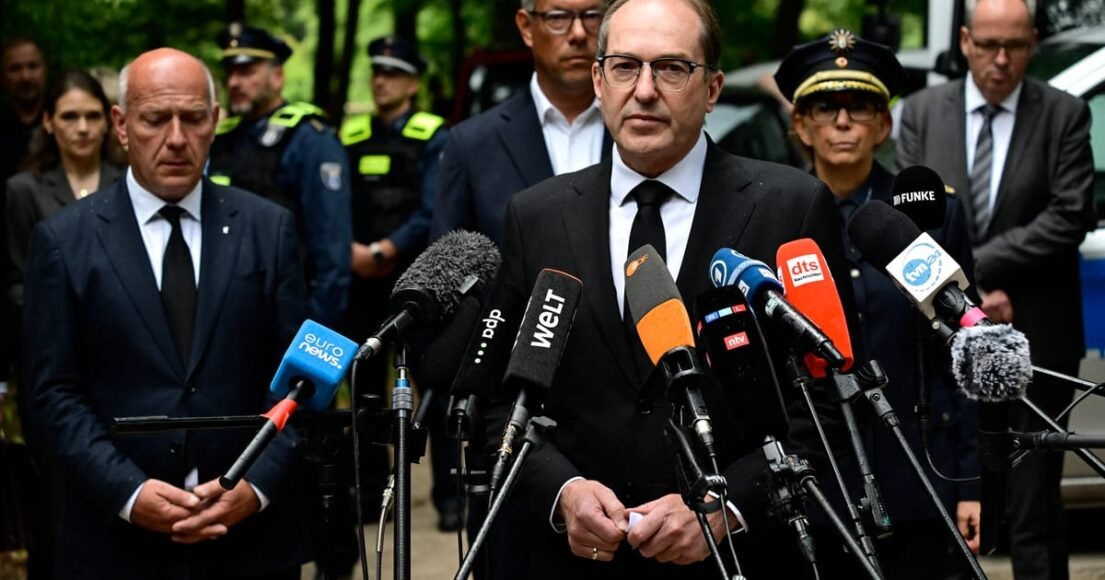
Berlin Pride assault suspect killed by police
A WELT report indicated that Ballout was 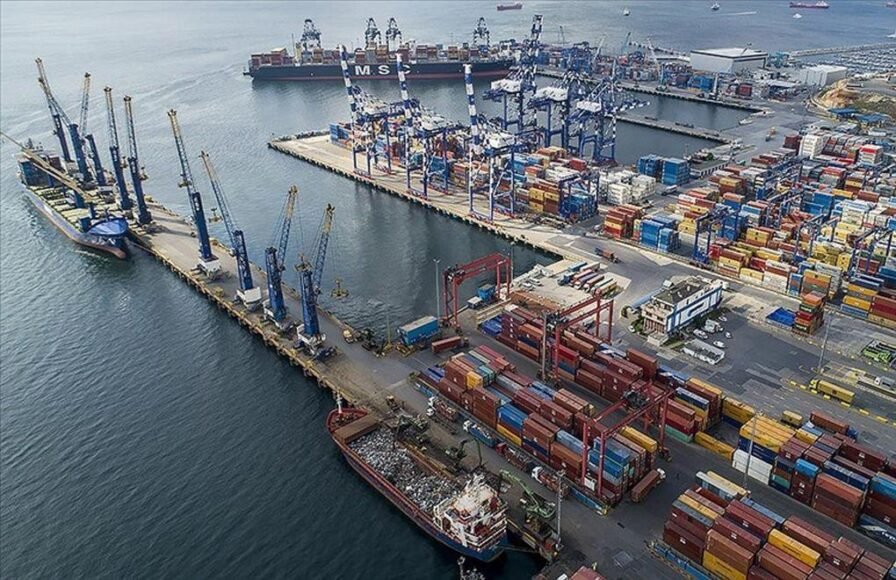
Merchant Vessel Sinks a Week After Russian Strike on Ukraine Cargo Ship
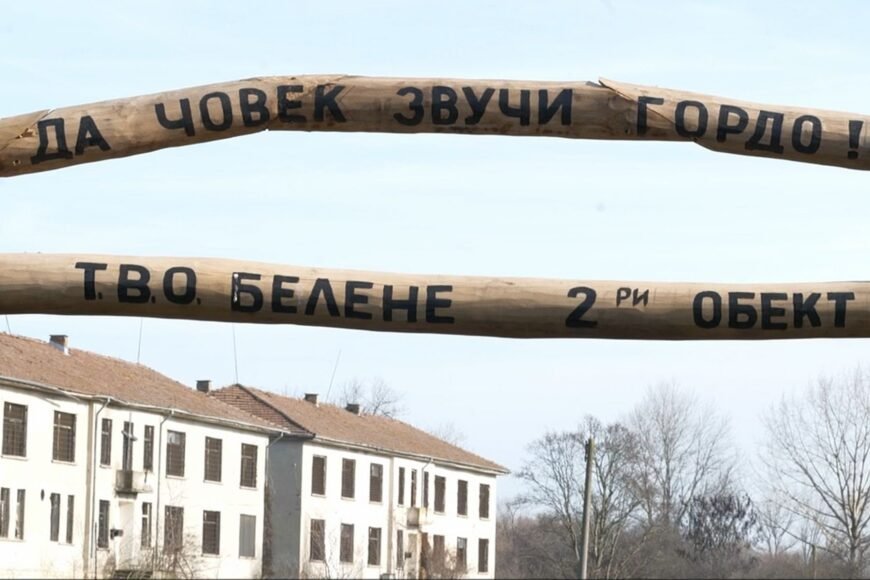
Bulgaria Shuts Down Commission Investigating Citizens’ Ties to State Security Services
On July 21, the budget committee took the first step toward closing the Commission for Disclosure of Documents and for Declaration of Affiliation of Bulgarian Citizens to the State Security and Intelligence Services of the Bulgarian People’s Army (KRDOPBGDSRSBNA), citing arguments for savings. Despite appeals from scientists, journalists, lawyers
Extension du marché carbone : le jour où Macron et Bayrou ont dit non à quatre ministres
This compensation was deemed insufficient by Valérie Létard, the Housing Minister at the time. “When does one become modest or not? We’re tal
McLaren Triumphs as Norris Wins Hungarian GP in Budapest

Scientists Unravel the Mystery of Delhi’s Enduring Iron Pillar
Metals typically have a limited lifespan, with iron quickly corroding when exposed to the environment. However, in the courtyard of the Quwwat-ul-Islam mosque in Delhi stands an anomaly: an iron pillar that defies this natural decay.
The pillar stands 7.21 meters tall from top to base, with 1.12 meters underground. The capital measures 306 mm and the structure weighs over
India Budget Addresses Price Risks with RBI Inflation Outlook in Focus
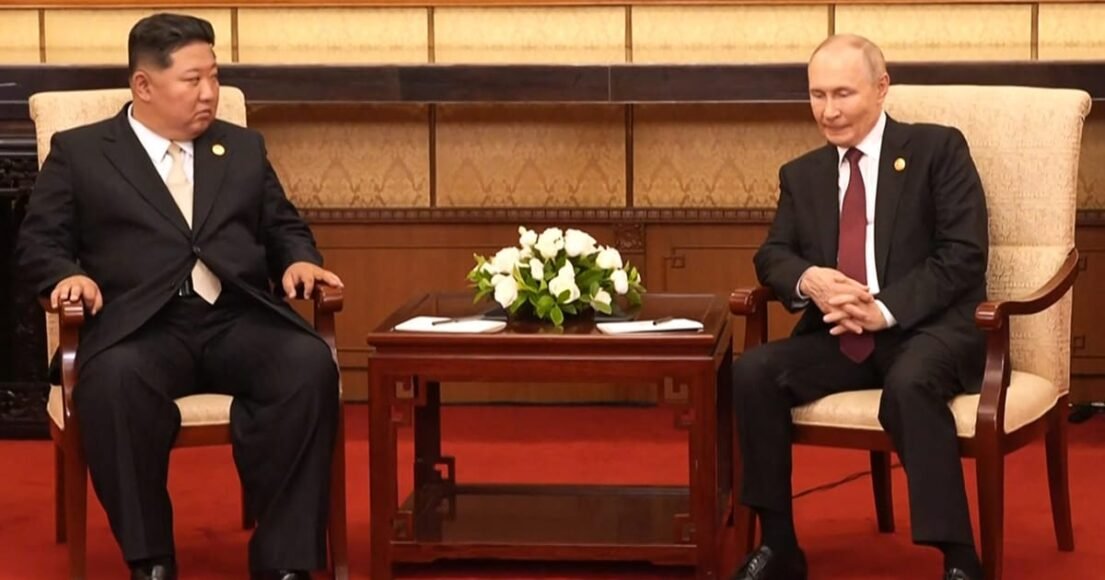
Zelenskyy claims Russia seeks 30,000 additional troops from North Korea
“Russia is aiding North Korea in learning warfare, enhancing its weapons, and acquiring pr
Cats Utilized as Living Torches for Arson
Domenico Costarella of the local Civil Protection Agency stated that the cats ran, spread
Institutional Investing Spotlight: LSEG Lipper Analyzes Fixed-Income Fund Flow Data

Leave a Reply