


Take the following scenario: you wake up to the headline, “Iran inches closer to a nuclear weapon.” Doesn’t your heart sink? Your mind is racing with questions: Is there a deal to halt this? Are we secure? Furthermore, what exactly is the Iran Nuclear Deal?
Since 2015, this agreement, formally known as the Joint Comprehensive Plan of Action (JCPOA), has garnered significant attention. It’s an agreement between Iran and major nations like the US, UK, China, Russia, and others that aims to control Iran’s nuclear program. Iran receives reprieve from economic restrictions in exchange. However, it is complicated—rules are broken, promises are broken, and there is a lot of finger-pointing like most things in international politics.
Let’s explain it in simple terms. Because when the stakes are this high, who has time for jargon?
What Exactly is the Iran Nuclear Deal?
According to a rather simplistic way of thinking about it, the JCPOA is like a legal contract. It was the decision of world powers as they were worried that Iran might turn its nuclear program into weapons. In return for removing most of the sanctions, Iran was permitted to expand its economy.
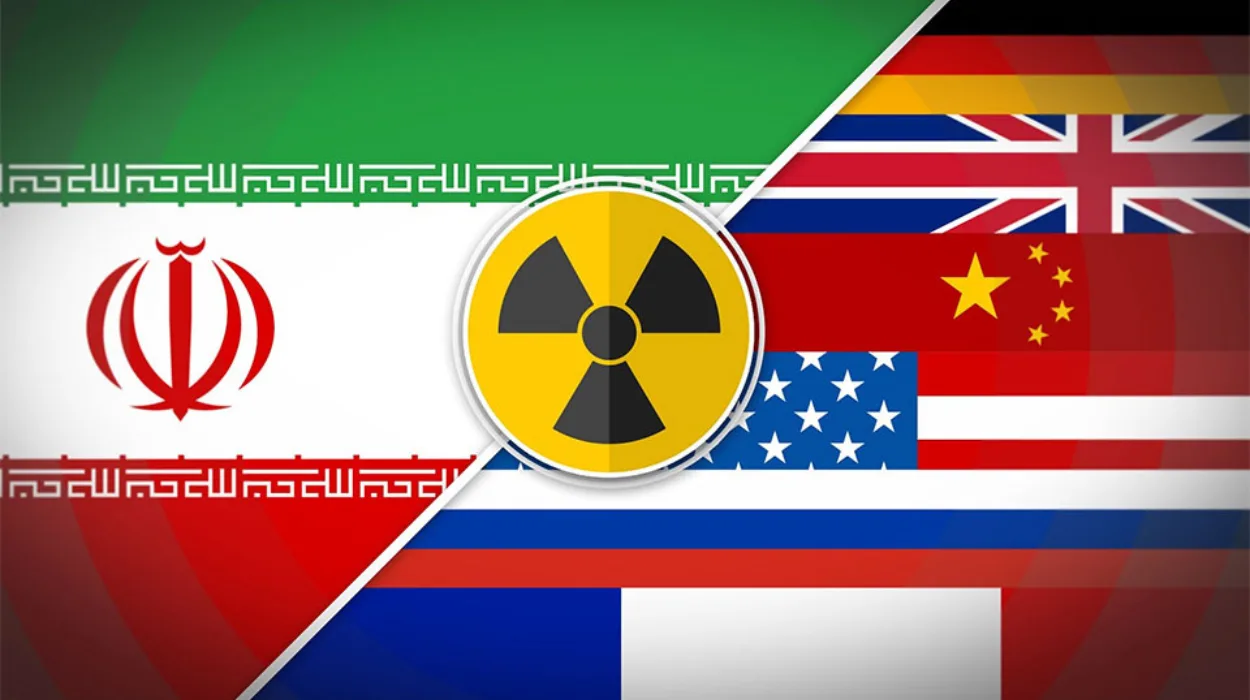
The 2015 nuclear deal was an agreement between Iran and the P5+1 – the United States, the United Kingdom, China, Russia, France, and Germany.
Adopted by blank” rel=”noopener”>UN SC Resolution 2231. The goal? Sustain the status quo on Iran nuclear power.
The previous deal looked like it was a great diplomatic achievement.
Why Was the Deal Created?
Iran’s nuclear program was akin to an unmonitored scientific experiment in the early 2000s. The world went into a panic. What if a nation in a conflict area suddenly possessed nuclear weapons? Not ideal, indeed.
Strict limits were established by the JCPOA:
- Iran was only allowed to enrich uranium up to 3.67% (weapons-grade uranium is 90%).
- The blank” rel=”noopener”>International Atomic Energy Agency (IAEA) was allowed to monitor nuclear sites; it was required to reduce its uranium stockpile by 98%.
In exchange? Iran’s lifelines—its banking and oil—were freed from sanctions. Win-win, huh?
What Went Wrong?
Warning: Iran did not quite follow the guidelines.
Additionally, President Trump’s decision to withdraw from the agreement in 2018 did not assist the US.
This is what took place:
2019: Iran begins to enrich uranium at an unsustainable rate.
2023: 83.7% enriched uranium particles were discovered.
Iran’s stockpile is thirty times more than what the agreement permits.
Iran accuses the other parties of not providing the promised respite from sanctions. It’s similar to promising to be polite but receiving no compensation.
Is Iran Building a Bomb?
Let’s address the most pressing query: How near is Iran to producing a nuclear weapon?
Iran has a year to collect enough uranium for a bomb, or its “breakout time,” under the JCPOA.
Now, though? They have enough uranium for four nuclear weapons if it is further enriched, according to analysts, who believe it to be zero.
The difficult part?
Possessing uranium is one thing, but creating a functional warhead—which may take a year or two—is quite another.
Iran isn’t actively developing a weapon, according to
Comments
Last News
EU Pledge to Ukraine: "Our Support is Unwavering"
Modern wars are won “not only by military strength but by drones and cutting-edge technologies.”
So says Andrius Kubilius, Commissioner for Defence and Space who was speaking after the European Commission and Ukraine signed a major new defence industrial partnership.
The EU says the move marks a “major step forward” in the integration of the European and Ukrainian defence industries.
The Commiss

Value of the 2026 World Cup Trophy
Officially, the World Cup trophy is crafted from pure gold. It stands 36.5 cm tall and weighs 6
Drone Strikes by Ukraine Intensify Pressure on Russian Economy
Initially, Moscow planned to reduce military spending this year, but it has surged, making up nearly half of government spending in the second quarter, accordi
Everyone Watches Oil While Iran Turns to Maritime Moves.
By Tuesday night, after four consecutive nights of strikes, Iranian missiles and drones continue to target power and desalination infrastructure along Kuwait’s southern coast. The primary target remains the Shuaiba complex, a dense stretch of turbines and water treatment units south of Kuwait City where crews have fought fires across multiple sectors as generating units went dark. Kuwait draws n
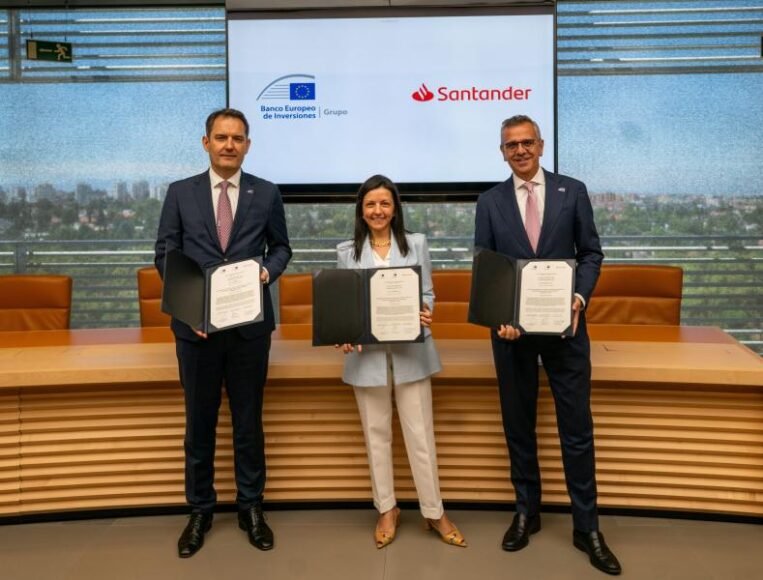
Spain: EIB Group and Santander to unlock €1.43 billion for small businesses and mid-caps, supporting competitiveness, the green transition, and women entrepreneurs
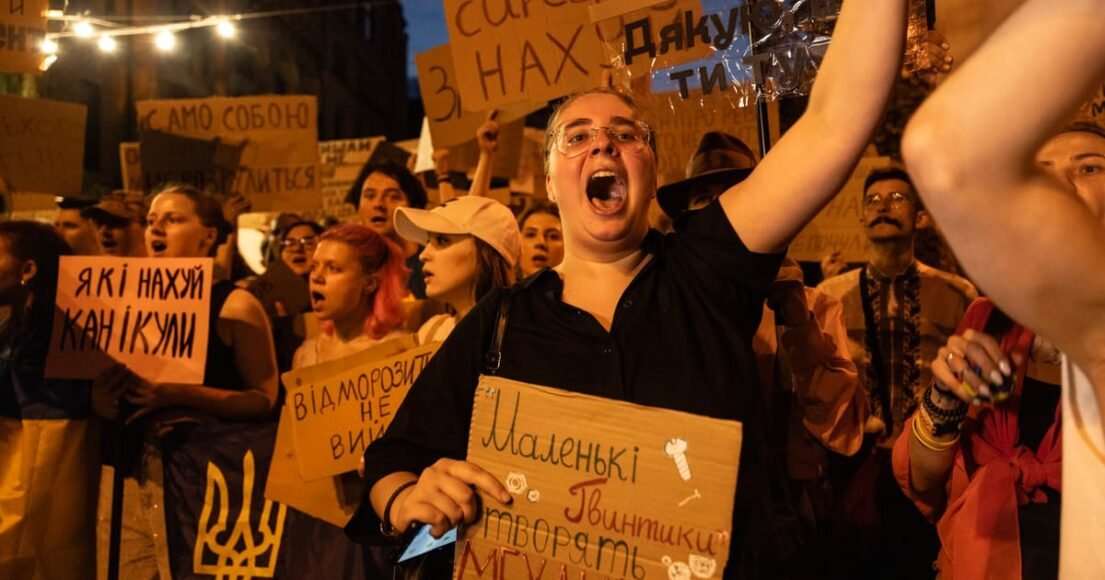
Zelenskyy Dismisses Top Army Commander Amid Nationwide Protests
He also thanked Syrskyi for successful operations in 2022 in Kyiv and Kharkiv and the 2024 incursion into Russia’s Kursk region.
Joint Forces Commander M
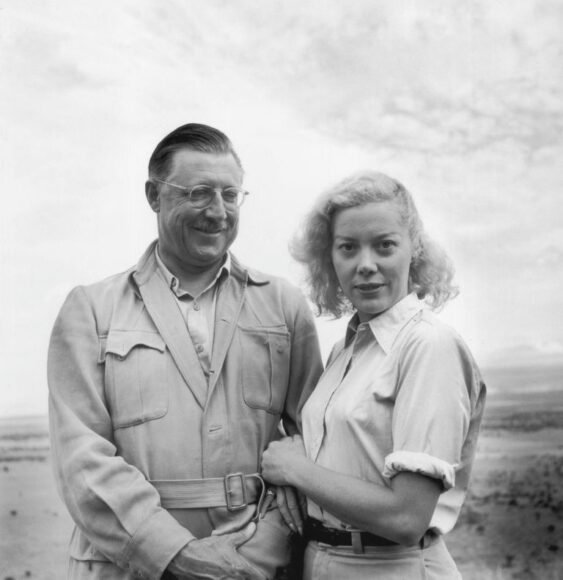
Armand Denis: His Fascinations
He would be the first to admit that as a young boy growing up in Antwerp, he had some very strong obsessions. From an early age he was infatuated with the natural world of animals and travel and later in life with film, photography and cultural anthropology. His passions would go a long way into how we view animal welfare, conservation and the environment today. Meet Armand Denis …
Armand Denis
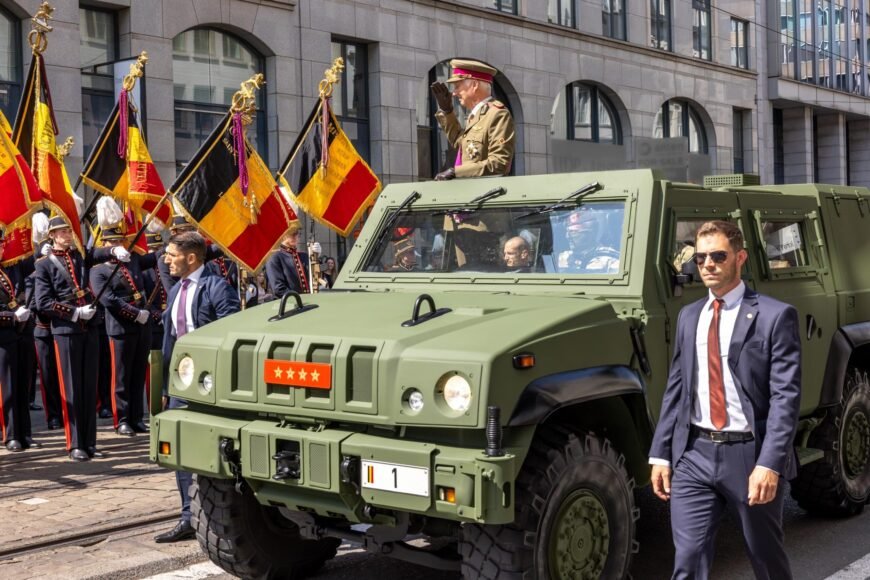
Belgium Celebrates National Day with Parade and Unity Appeal
Brussels ceremony merges royal tradition, public celebration, and focus on defence and social unity.
Belgium celebrated its National Day in Brussels on Tuesday, combining royal ceremonials, military displays, civil-service recognitions, and public festivities, using the 21 July holiday to reaffirm constitutional stability amidst European uncertainties.
The day started with the Te Deum service at
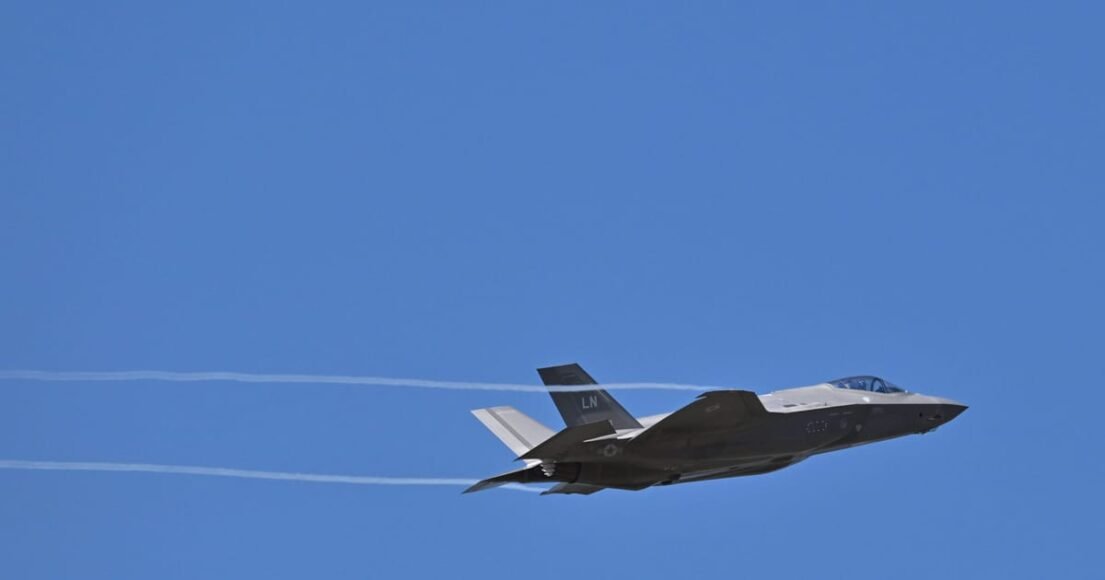
Canada Joins Fighter Jet Project with UK, Italy, and Japan
The Global Combat Air Programme involves “reindustrialization and building back up our production capacity, so we
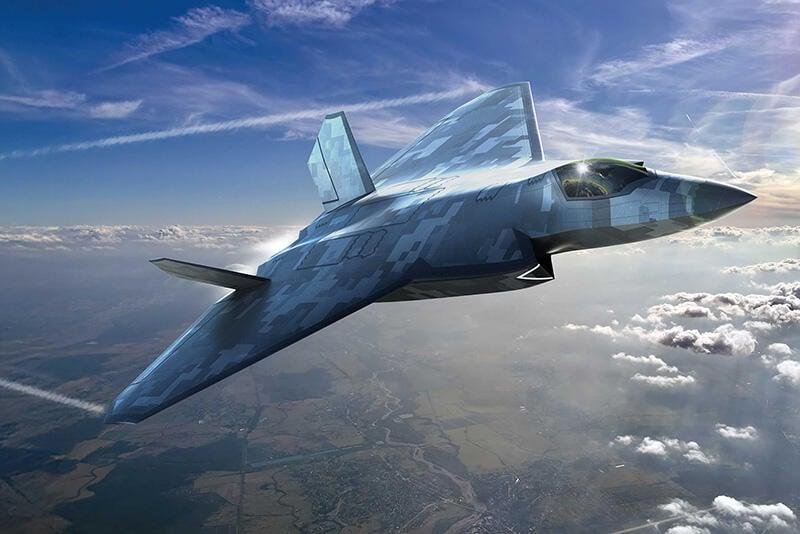
Canada Observes Global Combat Air Programme in Fighter Jet Initiative
Ottawa, July 21 Eurotoday — Global Combat Air Programme expanded its international reach after Canada officially joined the UK, Italy and Japan-led sixth-generation fighter aircraft initiative as an observer. The decision was announced during the Farnborough International Airshow and gives Canada access to programme discussions while leaving open the possibility of deeper involvement in the futu
Leave a Reply