


Airport security has long shaped how people experience air travel. For more than two decades, travelers have adapted to strict screening rules, limited access zones, and highly controlled terminals. Today, a new phase is unfolding as governments, aviation authorities, and airports rethink how security is implemented. This shift reflects advances in technology, changes in passenger expectations, and the economic realities facing modern airports.
The goal is not to weaken protections but to modernize them. As global travel volumes increase and airport infrastructure becomes more complex, security systems must evolve. This transformation is now widely referred to as airport security reform, a process that seeks to balance safety, efficiency, and accessibility in a rapidly changing world.
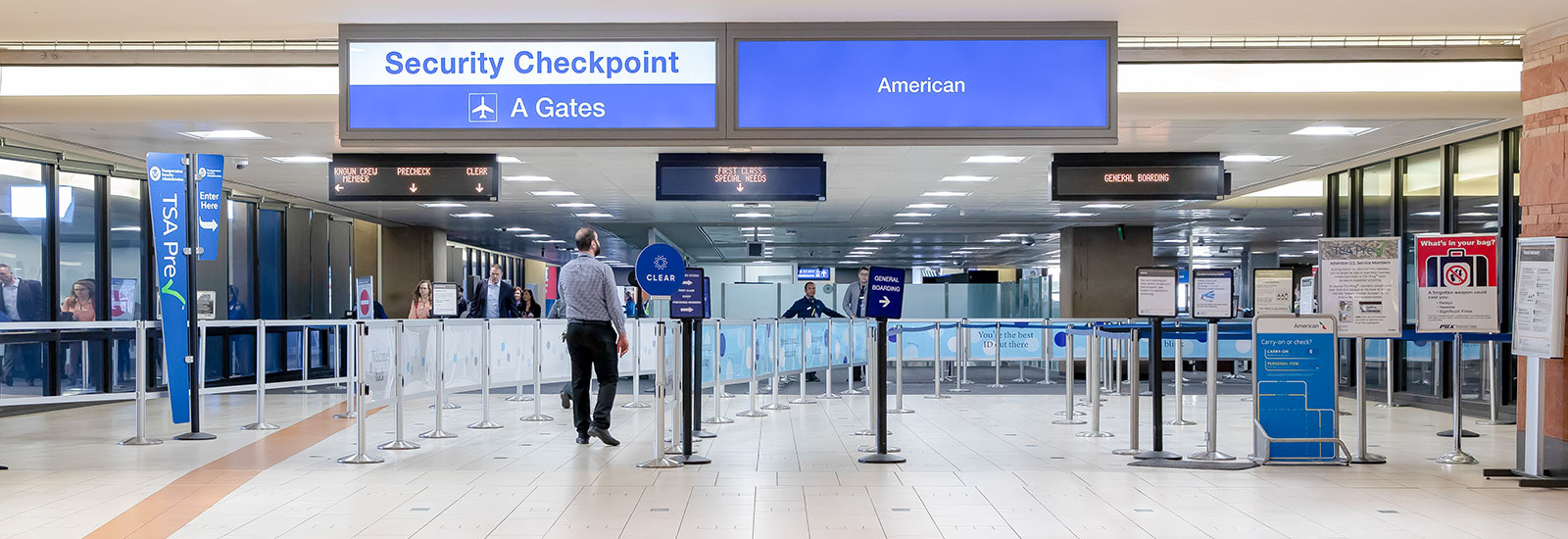
The Origins of Modern Airport Security
Modern airport security frameworks were largely built in response to global threats that reshaped aviation policy in the early 2000s. In that era, uniform rules were introduced quickly, prioritizing risk reduction over convenience. These measures were effective, but they were also rigid.
Over time, aviation security became highly standardized. Passengers followed the same procedures regardless of risk level, airport design, or travel history. While this approach provided consistency, it also created congestion, frustration, and inefficiencies that airports continue to struggle with today.
As technology advanced, it became clear that security could be both strong and adaptable. This realization laid the groundwork for airport security reform as a long-term strategy rather than a temporary adjustment.
Why Airport Security Is Being Reexamined
Several factors are driving change across the aviation industry. Passenger volumes are rising globally, even as airports face staffing shortages and infrastructure limits. At the same time, travelers expect smoother experiences, shorter wait times, and clearer communication.
Security agencies now have access to tools that were not available when current systems were designed. Advanced imaging, biometric verification, and real-time data analysis allow for more precise threat detection. These developments make it possible to screen smarter rather than harder.
Airport security reform is also influenced by economic pressures. Airports rely heavily on non-aeronautical revenue such as dining, retail, and services. Long security lines reduce dwell time and limit spending, directly impacting airport finances.
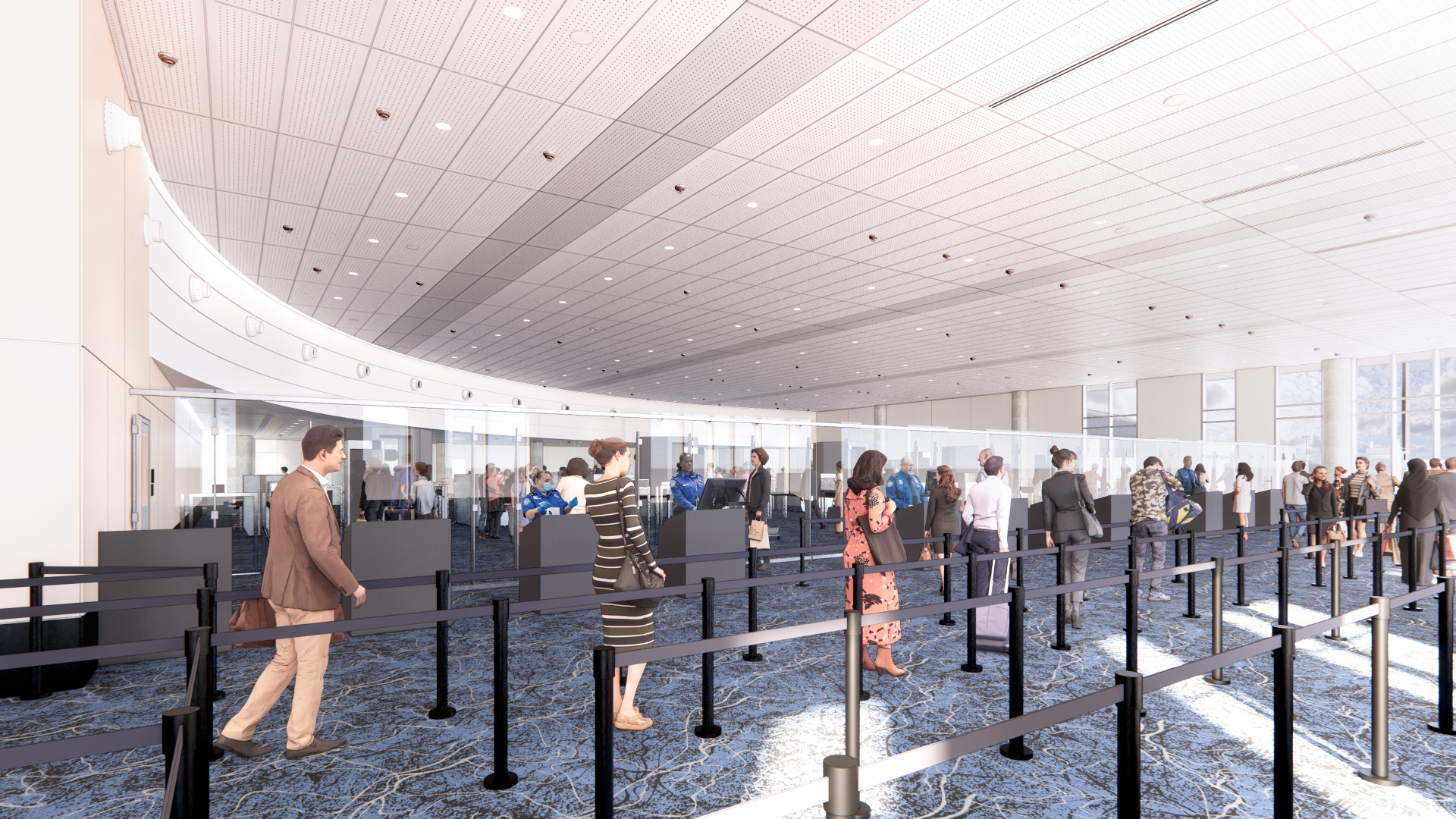
Technology as the Foundation of Reform
Technology is the backbone of modern security improvements. Automated screening lanes, facial recognition systems, and AI-assisted image analysis are already in use at many major airports. These tools improve accuracy while reducing manual workload.






Leave a Reply