


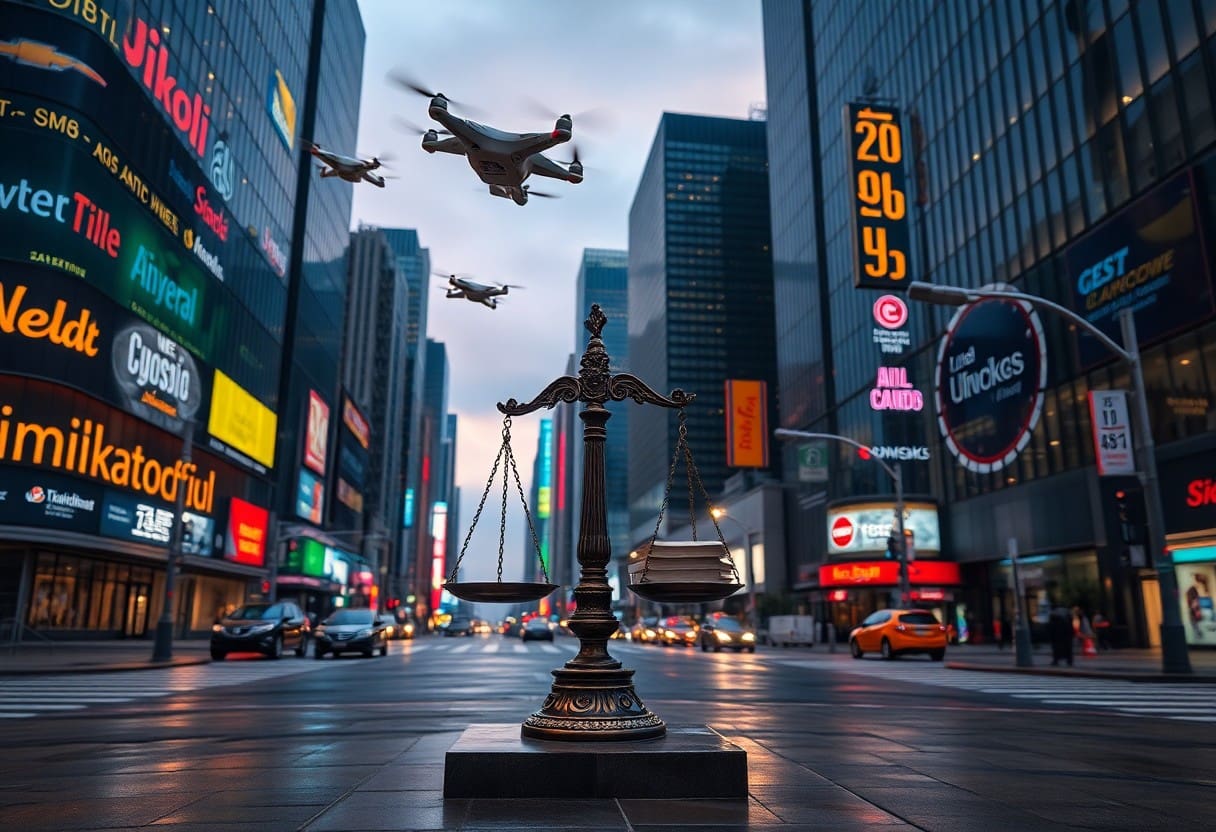
Capitalism fosters innovation and growth, but in its intensified form, it places profit above people. There’s relentless pressure to compete, consume, and conform. Unchecked greed disturbs moral integrity, whereas ethical balance requires detachment from material excess. Can internal stability persist when all values are monetized?
The Profit-Driven Grind
Daily, your attention is exploited, repackaged, and sold even before your morning coffee. Algorithms prioritize engagement over truth or well-being because engagement means revenue. Here, you’re not the customer, but the product. The system thrives on continuous growth, sacrificing ethical boundaries when profits are at stake. Profit doesn’t halt for conscience—it accelerates through it.
The Illusion of a Moral Market
It’s said that the market rewards fairness, that ethical actions naturally align with profit. This is an illusion. In hypercapitalism, moral compromises often become necessary for survival. Systems favor growth over integrity, urging acceptance of exploitation as the norm. The market holds no self-correcting virtue—only incentives to compromise, silence dissent, and commodify conscience.
The Price of Inner Peace
You buy stillness with silence, and silence is now a luxury. In a world profiting from your attention, choosing not to react becomes an act of resistance. Each calm breath withdraws from the economy of urgency. Inner peace doesn’t align with a monetized life—it can’t be tracked, scaled, or sold. Seeking it doesn’t make you broken; it makes you a threat to a system thriving on anxiety and consumption.
Resistance Through Stillness
Resistance doesn’t come from shouting, but from refusing to act—holding space where speed is expected. In a world profiting from urgency, stillness becomes a threat. Your silence disrupts algorithms based on reaction. Pausing reclaims attention, presence, and ethical clarity. This isn’t passivity; it’s deliberate refusal. Choosing depth over distraction undermines hypercapitalism’s primary tool: your exhaustion.
The Fragility of Virtue
Daily pressures pull each decision between integrity and survival. Capitalism celebrates speed, not stillness; output, not reflection. In this imbalance, ethical equanimity quietly diminishes, worn down not by malice but by routine compromise. What feels like personal failure is often a result of systemic design. Virtue falters when the cost includes isolation or ruin.
Concluding Thoughts
Balancing ethical equanimity and hypercapitalist pressures depends on your choices. You navigate profit-driven systems daily but maintain the ability to act with integrity, fairness, and restraint. Sustaining ethical clarity relies not on sweeping change but on consistent, personal commitment to principle over profit.










Leave a Reply