



Acknowledging that Elon Musk is right about something is disheartening, especially when considering his true intentions behind the purported defense of free speech. Musk doesn’t champion free speech in a general sense; rather, he advocates for his own expression and ideological stance.
However, Musk is correct in asserting that social media platforms are essential for uncovering truths that mainstream media sometimes conceals. It is the sobering reality that without platforms like X, the prevailing narrative might portray Israeli supporters as victims rather than recognizing them as aggressors in incidents that occur, such as the events following a football match in Amsterdam.
Elon Musk’s agenda is troubling, deplorable even. His social network has consistently harbored both Nazi and pro-Israeli content, alongside misinformation and disinformation, playing a significant role in shaping political discourse that contributed to Donald Trump’s election as U.S. president. Despite these negative aspects, social media remains one of the few, if not the only, spaces where the public can access firsthand accounts when traditional media chooses to obscure the facts.
As a journalist, I understand the weight of my words. It’s one thing to present information with a particular bias or ideological perspective, which inevitably influences newspapers, articles, or coverage. However, it’s entirely different to deliberately lie, hide facts, selectively present information to support an argument, and fabricate reality – as, for example, does Musk and his supporters on X and other platforms.
Hopefully, Bluesky will be able to surpass X and, so far less toxic, more open, and with better tools to actually control what you see and with whom you interact, become a relevant tool in the future. But that’s not the case yet.
In many cases involving Palestine, media trustworthiness is questionable—not due to superficial issues like clickbait headlines, but because the coverage is deeply ideological. This is evident in the media’s reporting of the riots in Amsterdam. Most news outlets portrayed the events as if innocent football supporters of an Israeli team—or even simply “poor Jews”—were brutally attacked by Arabs, depicting the latter as a violent mob deserving severe repercussions. This narrative not only fuels far-right sentiments but is also a complete fabrication.
As noted by journalist Ishaan Tharoor:
“I’m not sure I’ve seen a bigger gap between Western media coverage of an event and the online social media tracking of it (that significantly preceded news stories) than in the coverage of the unrest/violence in Amsterdam. Well before the apparent incidents of violence that followed the game, my feed was full of videos of Maccabi fans singing racist songs and attacking local people of Arab descent. None of that seems to be reflected in most headlines, which focus on the attacks that followed.”
While violence is never the answer—a stance I agree with—there is a crucial distinction between attacking peaceful football supporters because of disagreements and engaging in self-defense. We are at a historical juncture where self-defense against violent genocide-mongers disguised as football fans—including at least one IDF soldier and Mossad agent—is mischaracterized as antisemitism and pogrom, with the media not only hiding the facts but also fabricating a misleading narrative.
It took a few days, but Femke Halsema, Mayor of Amsterdam, recognized that there was no ‘pogrom’ in the streets of the city and that the information circulating via social networks was the truth—not media manipulation and pressure from the Israeli government and its false version of the facts. Meanwhile, Israelis also attacked French supporters inside Stade de France, near Paris, during a League of Nations match, showing once again the violent character of football hooligans.
Ironically, those who use “self-defense” to justify genocide and the murder of innocent children in Gaza fail to understand its proper application—when individuals attacked by mobs of Zionist hooligans respond to defend themselves. It is both acceptable and human to have biases and to interpret facts through a specific lens, provided the facts remain intact and are not manipulated to fit a particular perspective. However, the media’s coverage of the Amsterdam riots largely ignored these facts, exacerbating
Comments
One response to “Truth on the Sidelines: Amsterdam Riots Expose Mainstream Media’s Role in Spreading Misinformation”
-
Isn’t it charming how the media spins tales faster than a Dutch cyclist on a caffeine high? 🚴♂️ Who needs reality when you’ve got a narrative to sell, right? 😂

Last News
Green Leader Zack Polanski Bids for Keir Starmer’s Former Seat
Polanski still requires selection by local Green Party members, expected to occur next week.
In his campaign pitch, Polanski stated, “v
Arteta Praises Arsenal’s Maturity After Victory Over Aston Villa in Birmingham
Birmingham, 1 September (Brussels Morning Newspaper) – Mikel Arteta praised Arsenal’s maturity, squad strength and ability to manage difficult moments after Bukayo Saka’s second-half goal secured a 1-0 Premier League victory over Aston Villa at Villa Park. The Arteta Aston Villa reaction centred on the way Arsenal controlled pressure and found a way to win a demanding away fixture.
Why Arteta
Divine Wisdom in the Old Testament: Concepts and Imagery (Part 2)

Dublin Challenges Europe’s Budget Boundaries
Meanwhile, the critical regional election

Oosterweel Works Close Deurne On-Ramp on Antwerp Ring for Weekend
Antwerp (Eurotoday Newspaper) – Motorists heading from Deurne onto the Antwerp Ring (R1) towards Ghent and Brussels will face a full closure this weekend as part of the ongoing Oosterweel connection programme.
The Deurne entrance will be fully blocked from Friday night September 4th, starting at 23:00, through Sunday morning September 6th, until 11:00, as announced by the traffic information an
Ceremonial: Addressing Brethren in Freemasonry
In different rituals, specific titles are used at each initiation degree during official meetings. In the 1st and 2nd degrees, Masons are called Brethren; in the 3rd, Worshipful Masters; in the 4th, Secret Masters; in the 5th, Worshipful Secret Masters; in the 6th, Guardians of Solomon; in the 7th, Priests and Judges; in the 8th, Gloriou
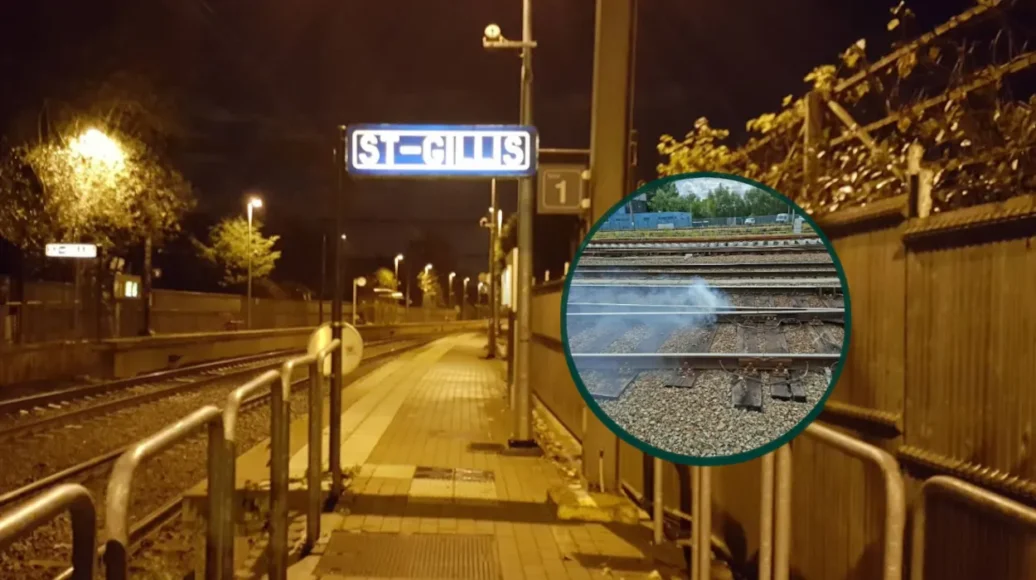
Train Services Disrupted by Minor Track Fire in Sint-Gillis-Dendermonde
Dendermonde (Eurotoday Newspaper) – Train traffic was temporarily halted on Wednesday afternoon after a small fire broke out on the railway tracks at Boonwijkstraat in Sint-Gillis-Dendermonde, a locality within the Dendermonde municipality in East Flanders, Belgium.
While the event was initially described as a trackside fire in initial reports and not one in a train, it did lead to the appropri

China Threat Strengthens Support for EU Industrial Policy
The IAA aims to mitigate this pressure, restricting Chinese investments in strategic sectors like EVs, raw materials, or solar pan

Poison Claims Life of Last Wild Bearded Vulture in Bulgaria
Conservationists are voicing their concerns following the mass poisoning of vultures in Central Balkan National Park. They demand strict enforcement of wildlife protection laws, harsher penalties for crimes against protected species, and immediate action against the use of poisoned baits.
The protest was spurred by a mid-August poisoning event in the Balkan Mountains that resulted in the deaths
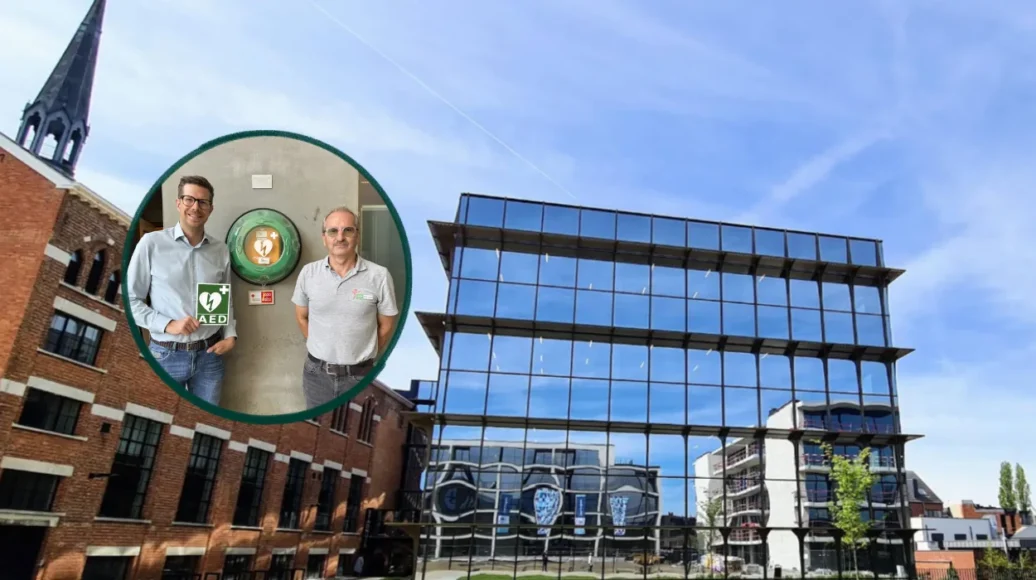
Beringen Enhances AED Network with Three New Sites and Nine Upgrades
Beringen (Eurotoday Newspaper) – The city of Beringen has announced a significant expansion of its automated external defibrillator (AED) network, installing devices at three new locations while replacing nine older units to ensure reliable emergency cardiac care across the municipality.
What Does the New AED Expansion Include?
The new phase in the development of the Beringen Automated External
Leave a Reply