


What Kristersson’s comments highlight is the enduring impact on relations between many European governments and the U.S. after Trump’s demands to take “ownership” of the island from Sweden’s neighbor Denmark.
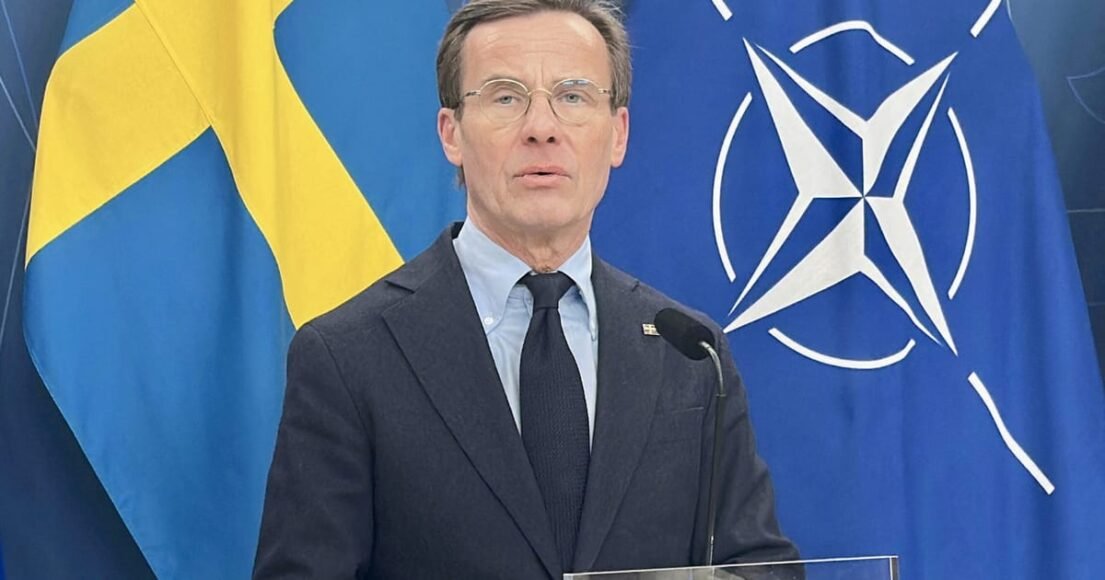
“For obvious reasons, trust suffered, no doubt,” Kristersson stated this week, just before heading to the Munich Security Conference. “I’m not saying it’s irreparable, and I don’t think it is, but the tone used by the Americans against Europeans, Canadians, Denmark, certainly isn’t fostering trust.”
The conflict between the U.S. and European countries peaked in early 2026 over the future of the frozen territory with 57,000 inhabitants in the high north. However, tensions had escalated since Trump re-entered the White House the previous year, with deeper causes than Arctic ice.
Tariffs and turmoil
Trump’s political stance contrasts with how European centrists have governed for decades. His forceful push to reshape international trade to America’s advantage, with a barrage of tariffs, and efforts to compel Ukraine into a peace deal (while promoting future agreements with Russia) bolstered the view that America’s leadership is no longer a dependable ally for Europe.
In December, the National Security Strategy was released. It outlined Washington’s sharply critical new stance on traditional transatlantic relations. The document presented an extensive plan for the U.S. government to support MAGA-aligned “patriotic” parties to influence European politics and protect the continent from migration that threatens “civilizational erasure.”
Senior figures in the U.S. administration have also intervened in politics in Germany, France, the U.K., and other countries over the past year.








Leave a Reply