


Trump Executive Order Makes Marijuana Safer Through Reclassification
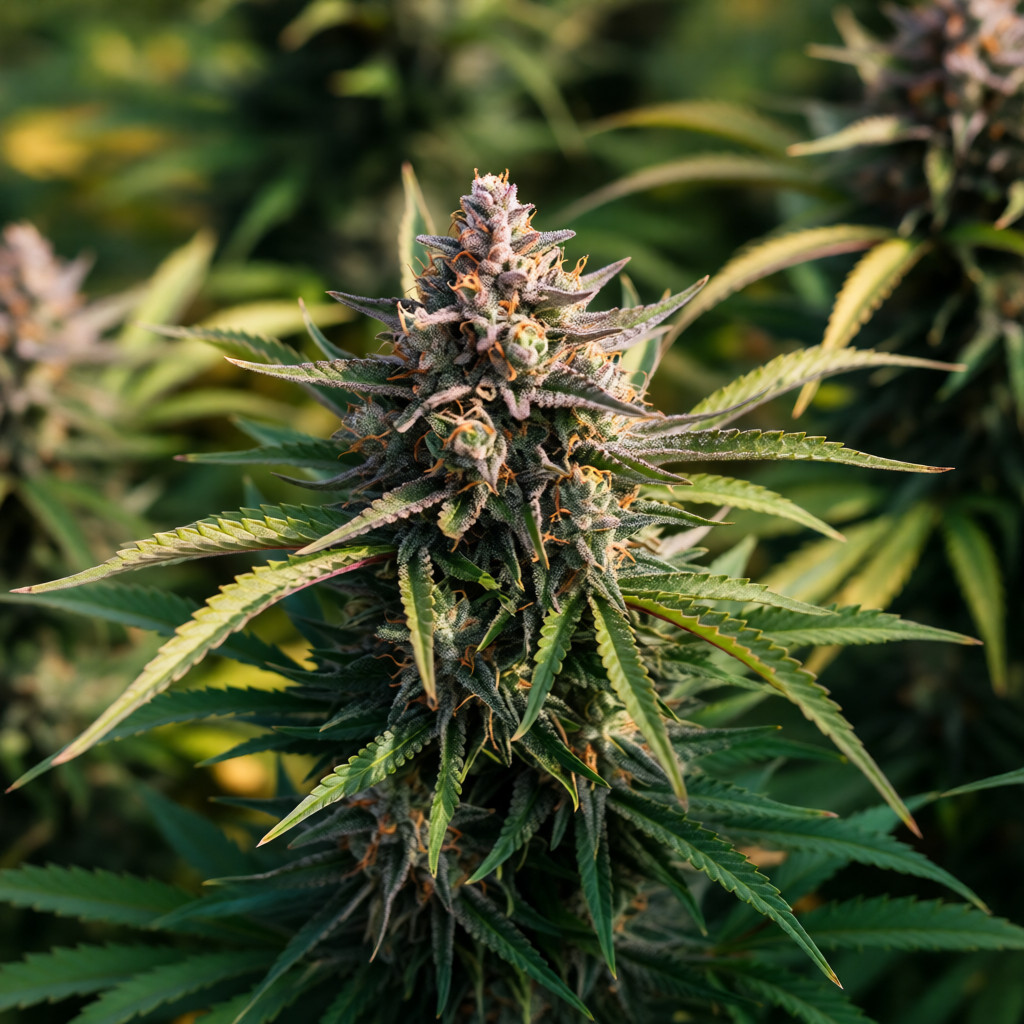
In a landmark move that has sent ripples through the political and social spheres, former President Donald Trump signed an executive order reclassifying marijuana as less dangerous under federal law. This decision marks a significant shift in the United States government’s stance on cannabis, potentially reshaping drug policy and impacting millions of Americans who use marijuana for medicinal and recreational purposes.
A Historical Overview
The executive order, signed late last week, downgrades marijuana from its previous classification as a Schedule I substance under the Controlled Substances Act. Schedule I drugs are defined as having “no currently accepted medical use and a high potential for abuse.” By contrast, the new order reclassifies marijuana into a category that acknowledges its medicinal value and reduces its perceived risk level.
This decision breaks decades of stringent federal prohibition and paves the way for expanded research, medical use, and possibly broader decriminalization efforts nationwide. The move reflects growing public support for cannabis reform and follows initiatives taken by several states legalizing marijuana in various forms.
What Does the Reclassification Mean?
Reclassifying marijuana as less dangerous carries several immediate and long-term implications:
- Increased Research Opportunities: One of the greatest roadblocks to cannabis research has been its Schedule I status. Scientists and medical professionals have struggled to study marijuana’s effects comprehensively. This new classification eliminates some bureaucratic barriers, allowing for more extensive clinical trials and studies on its therapeutic benefits.
- Changes in Medical Use: With marijuana’s medical efficacy acknowledged at the federal level, patients suffer less risk of federal prosecution for use prescribed or recommended by their doctors. This could expand access to cannabis-based treatments for ailments such as chronic pain, epilepsy, PTSD, and multiple sclerosis.
- Law Enforcement and Criminal Justice Reform: The reclassification signals a softer federal stance on marijuana possession and use, which may translate into fewer prosecutions and sentences for low-level offenses. It also opens the door for reconsideration of past convictions, potentially reducing incarceration rates for cannabis-related crimes.
- Economic Impact: Cannabis industries could see a surge in investment and growth. Banks and financial institutions, previously wary of serving marijuana businesses due to federal restrictions, might now engage more freely, bolstering the economic sector.
Public and Political Reactions
The reaction to the executive order has been mixed but predominantly positive among reform advocates and many lawmakers.
Supporters’ Perspectives:
Proponents argue that the policy rewrite finally aligns federal law with the changing attitudes of Americans and the reality in many states. Advocacy groups highlight the social justice implications, noting that drug laws have disproportionately affected minority communities. The executive order is viewed as a pivotal step toward rectifying these historical injustices.
Opposition Concerns:
Conversely, some conservatives and law enforcement officials caution against easing restrictions too quickly. They warn that marijuana poses risks, including potential impacts on mental health and road safety. Their concerns focus on regulating cannabis use responsibly, avoiding a surge in underage consumption or impaired driving.
Despite the debate, polls indicate that a majority of Americans currently support some level of legalization or decriminalization, making the executive order a reflection of evolving public opinion.
Potential Challenges and Next Steps
While the executive order is a powerful tool, it is not the final word on cannabis policy. The reclassification applies to federal law but does not override state laws, which still govern marijuana’s legality on a local level. States with strict prohibitions may continue to enforce their own rules, leading to potential conflicts.
Moreover, Congress remains divided on marijuana legislation. Although the executive order can influence policy, comprehensive reform — such as federally legalizing cannabis or banking reform for marijuana businesses requires legislative action.
Another challenge lies in regulatory development. As marijuana moves into a less restricted category, federal agencies such as the Food and Drug Administration (FDA) and the Drug Enforcement Administration (DEA) will need to establish guidelines to ensure consumer safety, quality
Comments
12 responses to “Trump Signs Executive Order to Reclassify Marijuana as Less Dangerous”
-
Well, isn’t that just peachy? A former president finally gets around to realizing that cannabis isn’t quite the same threat as, say, an actual nuclear warhead. Just what we needed — a little less danger from the green stuff, mate! 😂
-
Blimey, who’d have thought a bloke like Trump would finally get round to making a bit of sense about weed? Next, he’ll be telling us the sky is blue! 😏🌿
-
Just what we needed, eh? A reclassification that makes pot as dangerous as a nice cup of tea ☕—next they’ll be serving it at business meetings! 💼
-
Looks like Trump’s finally found a way to make something less dangerous—who knew it would be the weed? Next up, maybe he’ll reclassify his hairdo as a national treasure. 😂💼
-
Seems like Trump’s found a new way to make “high” politics even higher! 🍃 Who knew the path to lower danger was just a signature away?
-
Oh, brilliant! Just what we needed—an executive order that finally acknowledges that cannabis isn’t the devil’s lettuce after all. Next, perhaps we can get an order for wine to be classified as a health food, eh? 🍷😏
-
Just what we needed, a presidential stamp of approval for something that’s been more popular than tea at a pub on a rainy day. 🍃 Who knew that making a plant less dangerous could be the highlight of a political career?
-
Well, isn’t that just splendid? Who knew a bit of paperwork could turn a devilish weed into the next miracle drug? 🍃💼 #Progress
-
Looks like Trump is trying to elevate weed from ‘public enemy number one’ to ‘a friendly neighborhood herb.’ Next, he’ll be giving it a place on the dinner table with a nice Chianti. 🍷💨
-
Isn’t it just brilliant how a stroke of a pen can suddenly make decades of reefer madness vanish? 🇺🇸💨 Next up, maybe we’ll find out that the sky is actually purple—just as long as we don’t have to pay taxes on it, right? 😂
-
Oh, look at that, a former president deciding that something that’s been around longer than his hairdo is suddenly “less dangerous.” Next, maybe water will get reclassified as a “non-slip hazard.” 😂
-
Typical, innit? Just when you thought it couldn’t get more absurd, the bloke decides to make weed less dangerous—what’s next, a presidential order to reclassify chocolate as a health food? 😂

Last News

French Football Violence Fuels Far-Right Ahead of 2027 Election and World Cup
The National Rally leader, currently leading in opinion po

Iran Reports New Diplomatic Challenges Due to Lebanon Tensions, Tehran 2026

Europe’s Early Heatwave Is a Warning

EU Negotiators Reach Agreement on New Migrant Return Law
The agreement permits countries to send individuals who have been ordered to leave the EU to “return hubs” outside the union — a measure some EU nations are already pursuing

London 2026: UK Immigration Policy Bars U.S. Commentators

Can Ethical Balance Survive in a Hypercapitalist World?
The Profit-Driven Grind
Daily, your attention is exploited,

Israeli Ministers Labeled ‘Extremist’ Confront EU Sanctions Initiative
Several EU countries have proposed sanctions against Israeli Minister of National Security Itamar Ben-Gvir for his taunting of activists detained while attempting to breach Israel’s naval blockade of Gaza in May. Israeli Prime Minister Benjamin Netanyah

Global Markets Closely Monitor Oil and Geopolitical Risks, New York 2026

Is Moral Integrity an Outdated Virtue in Today’s Society?
The New Theocracies of Consensus
Mora
Former EU Watchdog Criticizes ‘Elitist’ Commission for Hoarding Information
O’Reilly, originating from Ireland and the EU’s first female ombudsman, expressed frequent “frustration” over the Commission’s disregard for her office’s recommendations, behaving ̶
Leave a Reply