



Brussels (Brussels Morning) – In a dramatic turn of events, TikTok went dark for millions of U.S. users on Saturday night, just hours before the official government ban was set to take effect. The outage, however, proved to be short-lived; by Sunday afternoon, the app was back online, following a whirlwind of political negotiations and public outcry.
On Saturday 18, 2025, TikTok officially went offline for its U.S. users. The enormously popular short-video platform, owned by the Chinese company ByteDance, has since 2020 become nothing less than a cultural phenomenon, hosting 170 million users in the U.S. and offering a platform to more than 7 million American businesses. However, growing concerns over national security and data privacy led to intense scrutiny of the platform, leading in a significant decision by the current U.S. administration.
More specifically, the Supreme Court had decided to issue a ban on the application on January 19th. However, the Biden administration, in its final days, announced it would not take steps to implement the law, deferring its enforcement to the incoming administration. Despite this delay, TikTok preemptively suspended its U.S. operations, leaving users with a stark message: “Sorry, TikTok isn’t available right now. A law banning TikTok has been enacted in the U.S. Unfortunately, that means you can’t use TikTok for now.”
What are the roots of the TikTok controversy?
The controversy surrounding TikTok really began in 2020 when then-President Donald Trump issued an executive order trying to ban the app due to concerns that user data could be accessed by the Chinese government. The order cited potential risks to national security, claiming that TikTok posed a threat to American users’ privacy. This order was received with significant backlash by the users, content creators, and civil rights advocates, who came forth arguing that such a ban was against freedom of speech and the app had become part of American life. Despite a variety of legal challenges, the Trump administration never quite managed to ban TikTok, with federal courts issuing injunctions against the ban, citing First Amendment rights and a lack of hard evidence proving the app presented an imminent threat. Nevertheless, the Biden administration inherited the issue and ordered a more thorough investigation into how the app works and handles its data.
The Shift in Policy
In late 2022, the Biden administration initiated a fresh investigation of TikTok, focusing on its data collection practices and the potential for foreign influence. The Committee on Foreign Investment in the United States (CFIUS) played a pivotal role in reviewing how internally TikTok managed users’ data and whether such information could be forced out of it by the Chinese government under its national security laws.
Throughout the investigation, TikTok had been trying to reassure American users by announcing fresh measures it was taking to enhance data security. The company announced it had begun storing U.S. user data on domestic servers and opened a transparency center that independent observers could use to monitor its practices. But lawmakers were still suspicious.
The growing concerns finally compelled Congress to act. Bipartisan legislation was introduced in 2023 to address the larger issue of foreign-owned apps and their perceived national security risks. The legislation sought to establish a framework for evaluating and regulating foreign technology companies operating in the U.S.
The Ban and Its Fallout
After months of deliberation, on January 10, 2025, the Biden administration announced its decision to ban TikTok in the United States. The ban was framed as a necessary measure to protect American
Comments
Last News
A ‘Super Tuesday’ for an Expanded EU

Brazil’s Economy Forecast Predicts Moderate Growth After October Presidential Election
São Paulo, July 13 Eurotoday Newspaper – Brazil economy forecast remains positive as economists expect the country’s economy to grow at a moderate pace following the October presidential election. Analysts believe stable domestic demand, improving investment conditions and easing inflation could support continued economic expansion, although fiscal policy and global market uncertainty remain ke

Sinner Establishes Wimbledon Benchmark

UK Police Arrest 12 in Far-Right Terrorism Investigation
London, July 13 Eurotoday Newspaper – UK police arrests dominated headlines after counterterrorism officers detained 12 people during an investigation into suspected extreme right-wing terrorism. Authorities said the operation followed intelligence linked to an alleged threat against an Islamic event. Officers carried out coordinated searches across several locations while detectives continued g

Europeans Join Kyiv in Developing Indigenous Missile Defense
This system is meant to integrate within NATO-standard radars, command centers, and data links of the participatin

EU Secures Enhanced Passenger Rights

ICE-Involved Shooting in Maine Results in One Death as Investigation Starts
Biddeford, Maine, July 13 Eurotoday Newspaper – ICE-involved shooting in Maine is under investigation after one person was killed during an incident involving federal immigration authorities in Biddeford on Monday. State and local officials confirmed the fatal shooting while emphasizing that the investigation remains in its early stages.
Authorities Confirm Fatal Incident
Emergency responders, l

Russia Sanctions Package Deadline Pushed to Wednesday
The 21st sanctions package has been diluted in recent weeks, with a proposed ban on Russian fish exports removed over the weekend. Restrictions on EU visas for former soldi

EU Dispatches Hybrid-Threat Team to Armenia
EU Expands Role in South Caucasus with a Civilian Mission in Armenia
The European Union has initiated a civilian Partnership Mission in Armenia, addressing concerns over cyber attacks, misinformation, and illegal financial activities through a two-year advisory deployment. This action enhances Brussels’ security ties with Yerevan during a pivotal time for Armenia’s sovereignty and de
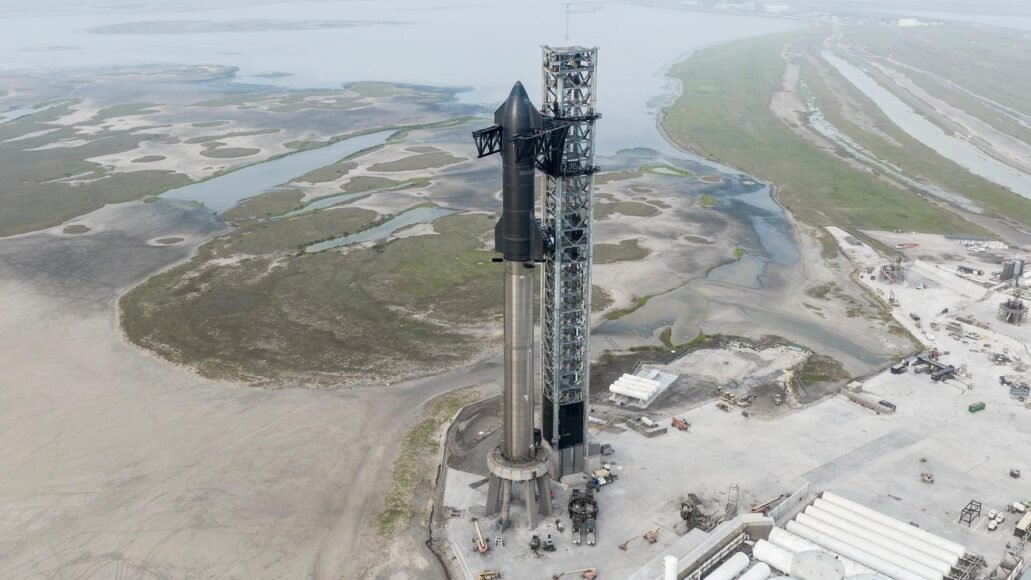
FAA Completes Starship Review Before SpaceX’s Upcoming Test Flight
Washington, D.C., July 13 Eurotoday Newspaper – FAA Starship review has concluded, clearing an important regulatory milestone for SpaceX as the company prepares for its next Starship test flight later this week. The Federal Aviation Administration announced that it completed its oversight of the investigation into the Super Heavy booster incident from the previous mission after accepting the com
Leave a Reply