



Switzerland (Brussels Morning Newspaper) The recent exchange of letters between U.S. First Lady Melania Trump and her Turkish counterpart, Emine Erdoğan, is more than a polite diplomatic courtesy. It is a powerful demonstration of the evolving and often under-appreciated role of first ladies in international relations. Far from being mere hostesses, modern first ladies wield a unique brand of “soft power,” capable of navigating sensitive global issues in ways traditional diplomats cannot. This recent correspondence illuminates both the potential and the inherent complexities and risks of this form of public diplomacy.
Melania Trump’s letter to Russian President Vladimir Putin, delivered by President Trump himself, was a poignant appeal for the protection of children caught in the conflict. While the message was criticized by some for its vague language, its core was an appeal to shared humanity, a theme first lady have long championed. Their traditional focus on humanitarian and social causes allows them to transcend the rigid, interest-driven discourse of statecraft. By focusing on the “melodic laughter” of children, Mrs. Trump was able to open a channel of communication on a deeply personal level, one that resonated beyond the geopolitical trenches. This emotional appeal, unburdened by official policy, is the essence of soft power.
This practice of first ladies as activists is not new. Throughout American history, activist First Ladies have defined the role. Eleanor Roosevelt, for instance, became the first to truly use the platform as a political tool, championing civil rights and advocating for the New Deal. Later, Hillary Clinton took the role to a new level by actively engaging in policy-making, notably on healthcare reform. Michelle Obama used her position to combat childhood obesity and promote education for girls globally. These women, among others, demonstrated that the first lady’s platform, while informal, can be a potent force for global advocacy and social change.
The response from Turkey’s First Lady, Emine Erdoğan, was a masterstroke of diplomatic jujitsu. Praising Mrs. Trump’s “important sensitivity” to the plight of Ukrainian children, Mrs. Erdoğan then skillfully pivoted, urging her to extend the same concern to the children of Gaza. This move was not a simple rebuke, but a strategic leveraging of Mrs. Trump’s own words. By framing her appeal within the universal values of compassion and child welfare that Mrs. Trump herself had invoked, Mrs. Erdoğan demonstrated a keen understanding of the unique diplomatic space first ladies occupy. She was, in effect, holding up a mirror, challenging her American counterpart to apply her humanitarian principles consistently across different global crises.
While cloaked in the noble language of humanitarianism, her message was a deeply political gambit. The letter directly served Turkey’s foreign policy interests, which have been sharply critical of Israel’s military actions in Gaza. By urging Melania Trump to contact Israeli Prime Minister Benjamin Netanyahu, Mrs. Erdoğan was attempting to co-opt a high-profile American figure—one who is notably outside the traditional foreign policy establishment—to pressure a key U.S. ally. The letter’s emotional pleas were not simply expressions of empathy. They were carefully crafted rhetorical devices designed to place the humanitarian onus on Melania Trump, and by extension, the United States, thereby validating Turkey’s position on the international stage without the formal constraints of state-to-state diplomacy.
This exchange reveals several key insights into the mechanics of First Lady diplomacy:
First, the episode highlights the power of surrogacy, where first ladies can act as a stand-in for the head of state, conveying messages and signals that the president cannot or does not want to send directly. By having Mrs. Trump hand-deliver the letter, President Trump was able to show a softer, more compassionate side to his foreign policy while maintaining a more traditional and tough-minded negotiating posture. This duality allows for a more nuanced and flexible approach to foreign relations.
Second, it underscores the humanitarian-as-political nature of the role. First ladies often focus on “safer” issues like health, education, or children’s welfare. However, as the letters demonstrate, these are never truly apolitical. A first lady’s advocacy can serve as a non-threatening entry point for a nation to engage on a politically charged topic. In this case, Mrs. Trump’s letter provided an opening that Mrs. Erdoğan expertly exploited to push her country’s agenda
Comments
15 responses to “The Growing Influence of First Lady Diplomacy”
-
Oh, marvelous! Who knew the key to international peace negotiations was a heartfelt letter from the first ladies? Next, they’ll be sending birthday cards to world leaders to solve climate change. 🥳💌
-
Oh, fantastic! Who knew first ladies could swap letters like they’re trading stickers at school? Next, we’ll have them mediating peace treaties over tea and biscuits! 😄
-
Oh, the First Ladies are at it again, playing with global diplomacy like it’s a game of chess at a café in Paris. I mean, who needs seasoned diplomats when you have a soft power showdown over tea and sympathy? 🍵😏
-
In the grand theatre of diplomacy, who knew that the first ladies were the real stars, charming their way through international crises while the big wigs just fumble about? It’s like watching a soap opera with a budget—who needs actual policy when you can send letters and call it “soft power”? 😂
-
Fancy a new twist on diplomacy? Who knew a first lady could put the “madame” in “madame de Pompadour” when it comes to geopolitical power plays? 😂
-
Blimey, who knew the role of a first lady was basically a masterclass in international chess? 🏰 I mean, if only I could send a heartfelt note and magically fix global crises while sipping tea! 🍵
-
Blimey, who knew that sending a few heartfelt letters could turn the diplomatic game into a soft power soap opera? 🤷♂️ Next, they’ll be hosting tea parties to solve world hunger! 🫖✨
-
Not sure what’s more surprising: the First Ladies getting diplomatic or the fact that a letter from Melania is deemed a “powerful demonstration.” Who knew soft power came wrapped in a ribbon of vague niceties? 😂✉️
-
Who knew first ladies could be the secret weapon in international diplomacy? Next, they’ll be negotiating trade deals over tea and scones! ☕️🇬🇧
-
First ladies playing diplomat? Next, we’ll have the postman negotiating treaties over a cuppa! 🤷♂️ Makes you wonder if they should start charging for this “soft power” gig—might pay for a few more holidays, eh? 😏
-
First ladies playing diplomat? Brilliant! Because when you want to solve international conflicts, nothing says “serious business” like a heartfelt letter and a side of tea ☕️.
-
Isn’t it splendid how first ladies are now the new diplomats? Just what we need—another layer of soft power wrapped in a fluffy bow! 🎀😏
-
Isn’t it charming how first ladies are now the secret weapons of diplomacy? Who knew a bit of letter writing could be the new foreign policy? 😂💌
-
Isn’t it delightful how first ladies are now the secret weapon in diplomacy? Who needs seasoned diplomats when you have a letter-writing contest between spouses? 😂✉️
-
So, let’s have the wives play diplomats now, eh? I suppose next we’ll be getting a bake sale to solve the Middle East crisis! 🍰🕊️

Last News
Trump Claims Meloni Repeatedly Requested a Photo at G7 Amid Escalating Dispute
On Saturday, Trump revisited the Iran war dispute, criticizing Meloni for not allowing the U.S. to use Italy’s landing strips,

UK Company Formation Attracts Entrepreneurs with Digital Services
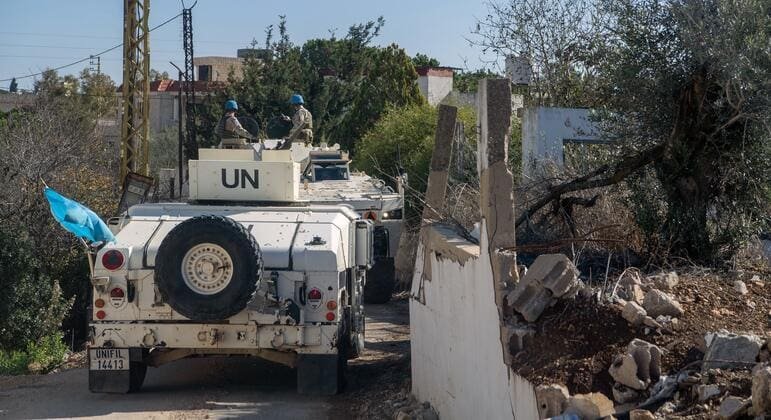
UN Affirms Peacekeepers’ Freedom of Movement in Lebanon
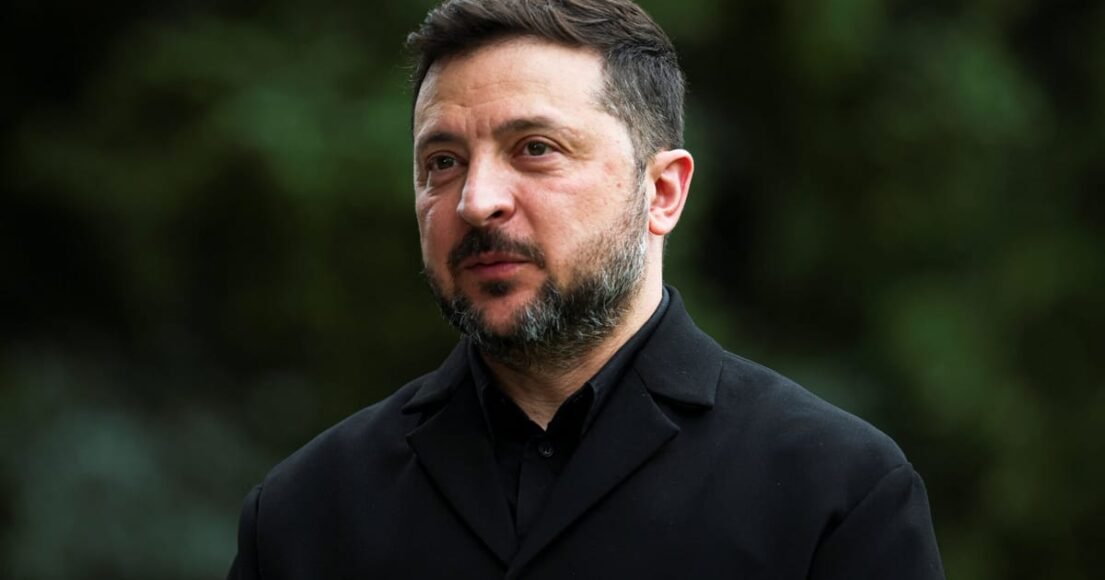
Zelenskyy Demands Belarus Remove Russia-Linked Relay Stations Within a Week
Kyiv’s pressure on Minsk extends beyond the relay equipment that, according to Zelenskyy, “calibrates attacks on our people.”
Ukraine’s leader also criticized Lukashenko over his country’s oil-refining industry, claiming that “
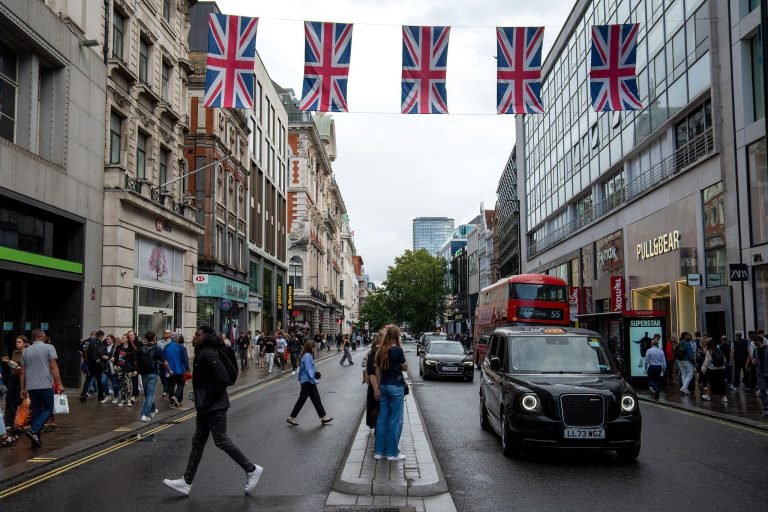
UK Consumer Spending Soars Following Higher-Than-Expected Retail Sales in London, 2026
London, United Kingdom, June 19 – Eurotoday Newspaper — UK consumer spending received renewed attention after stronger-than-expected retail sales figures helped lift confidence in the British economy and supported the value of sterling. The latest economic data suggested households continued spending despite ongoing concerns over inflation and borrowing costs, providing investors with fresh opti

10 Instances of Religious Persecution
F
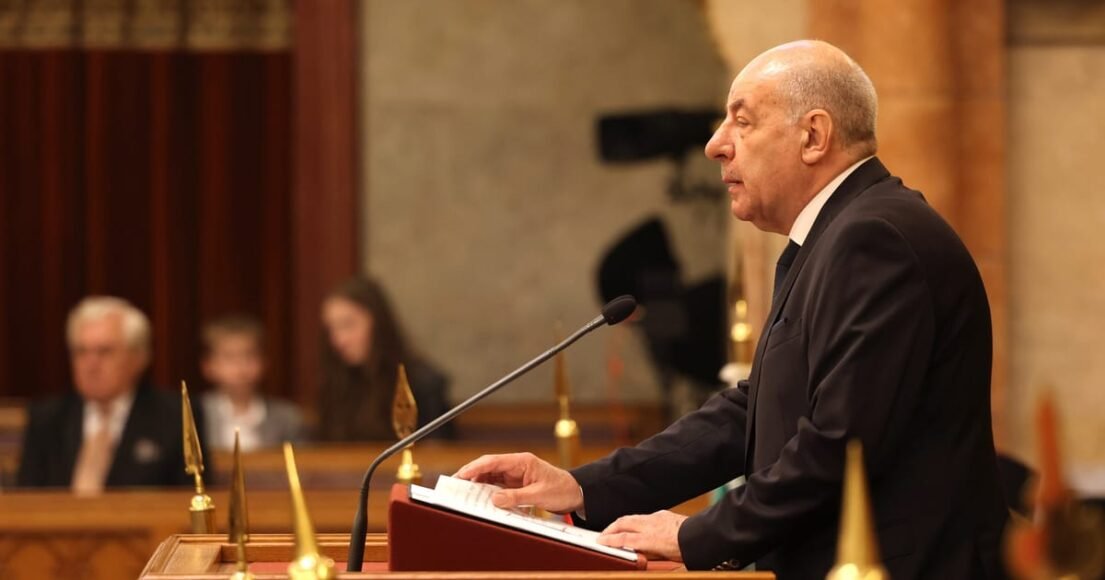
Hungary’s Orbán-Appointed President Vows to Resist Efforts for His Removal
Blind Eye
The president’s unpopularity may explain why Magyar attacks him in harsh terms.
“After so much cowardice, turning a blind eye, and lying, how could you possibly represent the unity of this beauti
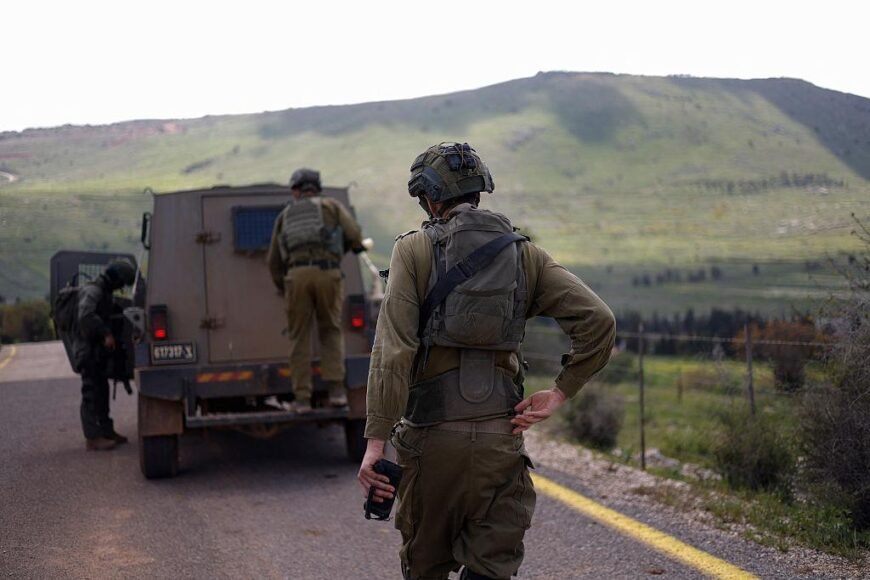
Israel and Hezbollah Reach Ceasefire Agreement for Friday Under US Mediation
Middle East, June 19 – Eurotoday Newspaper — Israel Hezbollah ceasefire is scheduled to begin on Friday after Israel and Hezbollah reportedly agreed to halt hostilities under a US-backed arrangement, according to a US official familiar with the negotiations. The Israel Hezbollah ceasefire comes after weeks of military exchanges along the Israel-Lebanon border that raised concerns about a broader

Türkiye’s Return Reaches an Early Reckoning
Paraguay Match in Santa Clara Raises Questions About Türkiye’s World Cup Comeback
Türkiye’s first World Cup since 2002 has shifted from celebration to strategic planning. After losing to Australia in the opening match, Vincenzo Montella’s team needs not only points against Paraguay in Santa Clara but also a composed display that reflects the footballing spirit which brought them back to th
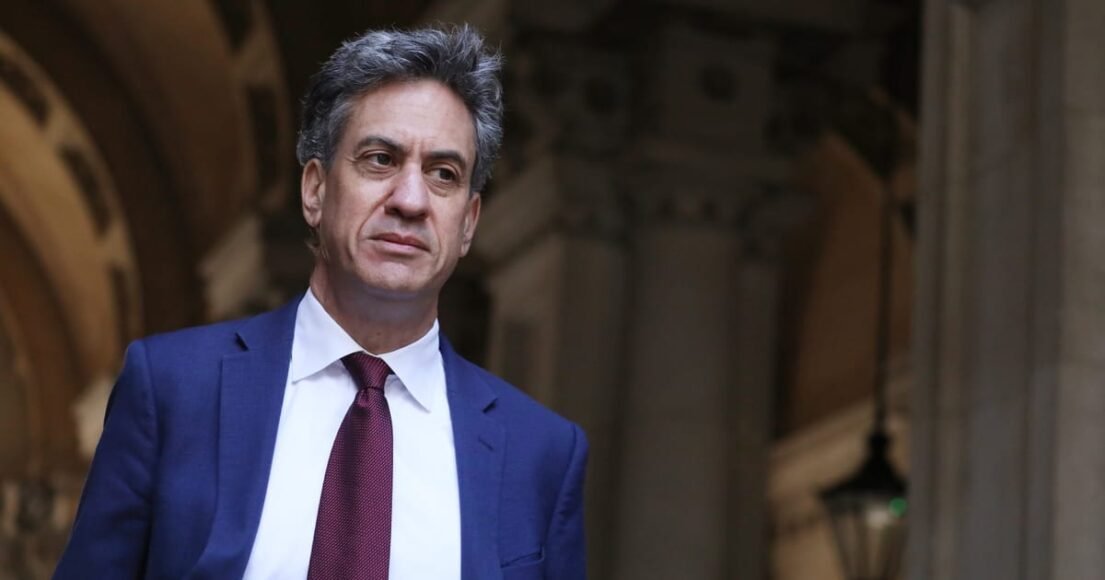
Miliband Seeks Key Role in Team Burnham; North Sea Talk Avoided.
Badenoch claims Miliband’s policies are worsening the situation, making
Leave a Reply