



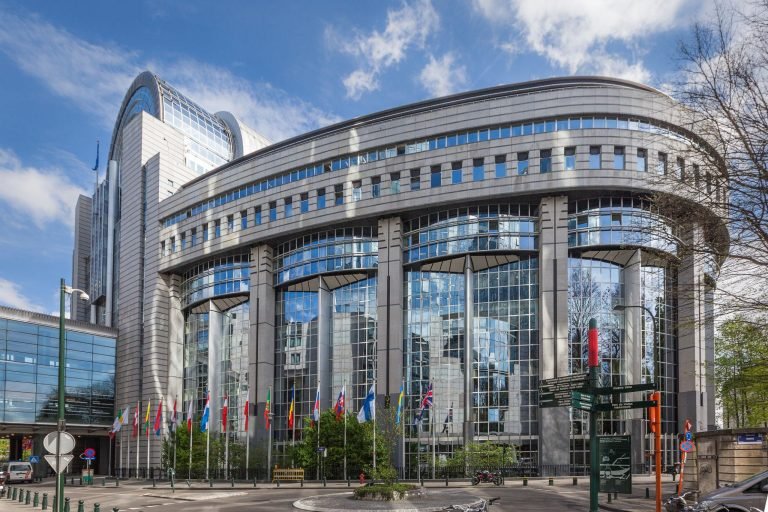
Brussels – In 2024, the European Commission strengthened its regulatory framework for the digital realm with two significant legislative measures: the Digital Markets Act (DMA) aimed at preventing abuses of dominant market positions and the Digital Services Act (DSA) designed to tackle illegal content and misinformation online.
However, following Donald Trump’s election, who has taken a tough stance on Europe, the Brussels executive appears cautious not to provoke him. In a related move, Meta (the parent company of Facebook and Instagram) joined X in opposing European regulations this week.
Mark Zuckerberg, CEO of Meta, announced a decision to discontinue “fact-checking” across his platforms in the United States, although this will not affect Europe for the time being. Meanwhile, Elon Musk has been engaging in political discussions in both the UK and Germany, the latter involving the leader of the far-right AfD party.
On Wednesday, the European Commission strongly rejected Zuckerberg’s claims of censorship. However, President Ursula von der Leyen, who is currently sidelined by pneumonia, and her fellow commissioners did not provide a response.
This apparent inaction elicited a sharp reaction from Paris. French Foreign Minister Jean-Noël Barrot called for the European Commission to safeguard member states from external interference in their public discourse.
“The European Commission must either rigorously enforce the laws we’ve established to protect our public space, or it should delegate that authority back to the EU member states,” he stated. (8 January 2025)




Leave a Reply