


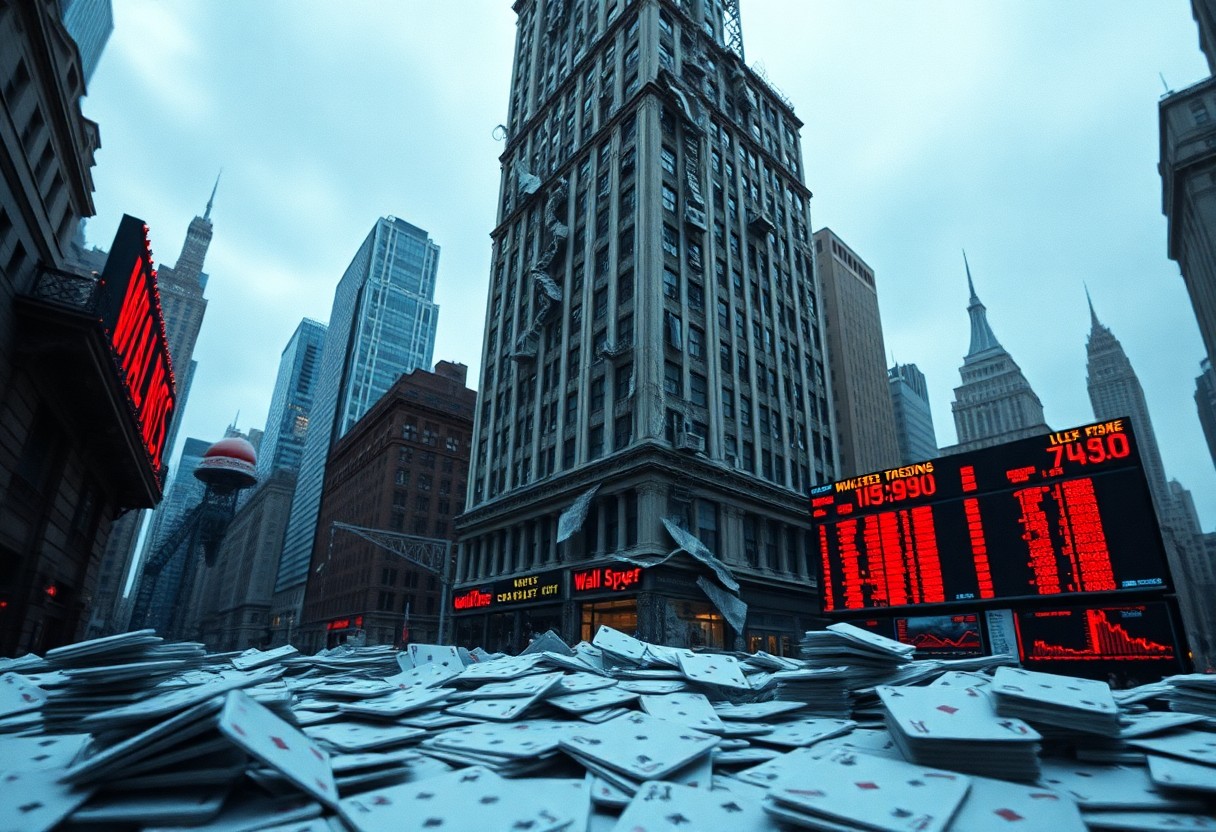
The 2008 financial crisis was a catastrophic event that shook the global economy, leaving millions in financial ruin and exposing the reckless behavior of Wall Street. In his film The Big Short, director Adam McKay masterfully unpacks the web of greed, deceit, and poor decision-making that led to this collapse. This article explores how the film sheds light on the inner workings of the financial industry and the valuable lessons we can learn from this pivotal moment in economic history.
—
Understanding the Financial Crisis
The 2008 financial meltdown was not an overnight event—it was the result of years of high-risk investments, irresponsible lending, and a dangerously inflated housing market. By analyzing the root causes and widespread effects, we can better grasp how such a disaster occurred and its impact on the world.
What Went Wrong?
A major factor in the crisis was the rise of subprime mortgages—loans given to borrowers with poor credit histories. Banks and lending institutions, eager to profit from homeownership demand, issued these risky loans in massive quantities. When homeowners could no longer afford their mortgage payments, the housing bubble burst, triggering widespread financial panic.
Wall Street’s Role
Wall Street played a crucial role in escalating the crisis. Financial institutions bundled these risky mortgages into complex securities, making them appear safer than they were. Driven by the pursuit of profit, banks and investors overlooked the warning signs. As the system collapsed, major financial institutions either failed or required massive government bailouts, exposing the dangers of unchecked speculation.
The reckless behavior of Wall Street didn’t just affect major investors—it had devastating consequences for ordinary people. As the housing market crashed, millions lost their homes, their savings, and their jobs, leading to widespread economic instability. The crisis ultimately shattered trust in the financial system and underscored the importance of responsible investing and regulation.
—
Key Players in the Crisis
The financial collapse was fueled by a mix of bankers, hedge fund managers, and government regulators, each playing a role in the unfolding disaster. In The Big Short, we meet individuals who foresaw the crisis and attempted to profit from the imminent collapse.
The Whistleblowers
Among the most notable figures was Dr. Michael Burry, a hedge fund manager who predicted the housing market’s collapse and bet against it. Characters like Steve Eisman (based on a real-life investor) also recognized the housing bubble and took advantage of Wall Street’s denial. Their stories reveal the warning signs that many chose to ignore.
The Impact of Speculation
A significant contributor to the crisis was rampant speculation in the real estate market. The lure of quick profits fueled reckless lending, as banks prioritized short-term gains over long-term stability. Investors turned a blind eye to the mounting risks, believing the market was immune to failure. However, this overconfidence ultimately led to a financial implosion that sent shockwaves across the globe.
—
The Big Short: Unraveling the Crisis
Adam McKay’s The Big Short brilliantly breaks down the 2008 financial crisis, making complex financial concepts accessible to a general audience. The film combines humor, direct-to-camera explanations, and celebrity cameos to simplify intricate Wall Street jargon, ensuring that viewers understand the gravity of the situation.
A Unique Storytelling Approach
Instead of relying on dry economic explanations, McKay employs an engaging, fast-paced narrative that immerses viewers in the chaos of the financial world. By using creative storytelling techniques, such as characters directly addressing the audience, the film makes finance not only comprehensible but intriguing.
Lessons from the Film
The Big Short serves as a stark warning about the dangers of blind trust in financial institutions. It highlights the importance of staying informed and questioning the practices of banks and lenders. The film underscores the consequences of unchecked corporate greed and emphasizes the need for stricter financial regulations to prevent future disasters.
—
Consequences of the Collapse
The aftermath of the 2008 financial crisis was devastating, impacting economies worldwide and leaving a lasting mark on millions of lives.
The Economic Fallout
The crisis led to mass layoffs, plummeting home values, and a prolonged recession. Many who lost their jobs struggled to recover, and trust in financial institutions was severely damaged. Even today, the repercussions of the crash influence economic policies and market dynamics.
The Human Cost
Beyond numbers and stock markets, the real victims were everyday families. Millions faced foreclosures, unemployment, and financial insecurity. Many were left to rebuild their lives from scratch, underscoring the real-world consequences of corporate recklessness and government inaction.
—
Financial Reforms and Policy Changes
In response to the crisis, significant reforms were enacted to prevent a similar disaster in the future.
What Changed After 2008?
Following the collapse, new regulations—such as the Dodd-Frank Act—were introduced to increase transparency in financial markets. Banks were required to maintain higher capital reserves, and stress tests became






Leave a Reply