


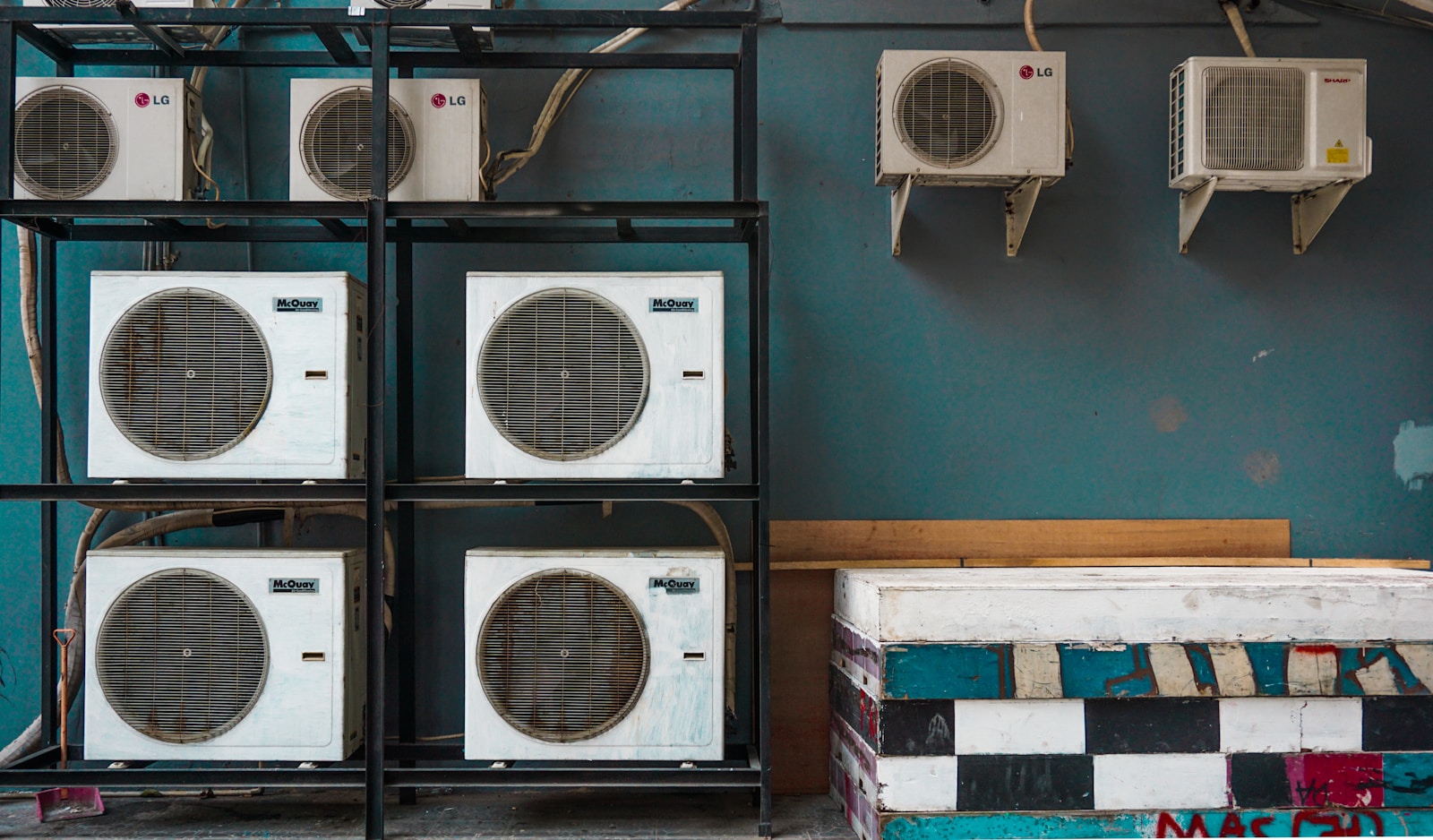
Heating and Cooling Systems: An Urgent Call for Clean Energy Adoption Across Europe
Heating and cooling systems are among the largest contributors to air pollution in Europe, highlighting the pressing need to transition to cleaner, more efficient, and renewable energy technologies. A study by the Joint Research Centre (JRC) underscores the critical nature of this shift to combat pollution and improve public health.
The Impact of Heating and Cooling on Air Quality
Air pollution remains a significant environmental challenge within the European Union (EU), with the heating and cooling sector serving as a major source of harmful emissions. These include 73% of particulate matter (PM2.5), 33% of nitrogen oxides (NOx), 2% of ammonia (NH3), 18% of non-methane volatile organic compounds (NMVOCs), 61% of carbon monoxide (CO), and 49% of sulfur dioxide (SO2). Such pollutants pose serious health risks, with residential buildings and homes being key sources.
The EU recently revised its Ambient Air Quality Directive, aligning its air quality standards more closely with the World Health Organization’s (WHO) guidelines. As a result, many Member States must escalate efforts to meet stricter 2030 air quality targets. Understanding the root causes of air pollution is essential to recommend and implement effective, cleaner alternatives.
Current Challenges in Heating and Cooling
Despite some progress, Europe still heavily relies on combustion-based heating systems. According to the JRC study, these devices, which are responsible for emitting pollutants, constituted 97% of the energy mix for heat production in 2022.
Over the past two decades, advancements have been made in both the quality of heating appliances and overall energy efficiency. Notably, the EU reduced its total gross final energy consumption (GFEC) by 9.5% between 2005 and 2022, with energy consumption for heating and cooling experiencing a sharper decrease of 16% during the same period. This improvement is attributed to reduced energy needs for heating buildings and the adoption of more efficient technologies.
Heat pumps, which produce no direct emissions, have seen a six-fold increase in usage since 2005, currently accounting for 3.7% of total energy consumption. While the sector achieved a 25% renewable energy share in 2022, heat pumps contribute only 15% of this figure.
Residential Sector: A Key Contributor to Pollution
A significant share of pollutant emissions from heating stems from the residential sector, contributing 85% of PM2.5, 82% of NMVOCs, 79% of ammonia, and 76% of CO. These findings emphasize the urgent need for stricter pollution emission limits for heating appliances, particularly those using biomass (a major source of PM2.5) and gas (a significant contributor to NOx emissions).
The JRC research also highlights the key factors influencing emissions from heating systems:
– Fuel types (e.g., natural gas, wood, oil, pellets, or electricity)
– Heating technologies (e.g., stoves, chimneys, boilers, or heat pumps)
– Efficiency levels of the systems in use
National Energy and Climate Plans (NECPs)
The study reviewed National Energy and Climate Plans (NECPs) from 2019 and the 2023 drafts, which outline how EU countries aim to meet their 2030 energy and climate targets. The report identified an increase in renewable energy ambitions.
– For example, Sweden plans to boost its renewable energy share in heating and cooling to 73% by 2030, up from previous commitments. Denmark, with a new target of 77%, reported the largest increase, raising its goal by 17 percentage points compared to its 2019 NECP.
However, 12 Member States still fall short of meeting updated EU requirements, with several countries projecting renewable energy shares below expected levels for 2030. The European Commission has provided recommendations to address these shortcomings, urging Member States to increase their renewable energy ambitions where needed.
The 2023 NECP drafts predict a 22% rise in heat pump deployment by 2030, while projections for biomass heating remain unchanged or have been slightly reduced due to air quality concerns. These trends illustrate the growing emphasis on cleaner heating technologies but also highlight the challenges in moving away from traditional, pollutant-heavy energy sources.
Balancing Air Quality and Energy Transition Goals
The findings underscore the complexity of balancing Europe’s energy needs with air quality and decarbonization objectives. While notable progress has been made in adopting renewable energy and improving energy efficiency, the continued reliance on fossil fuels and biomass for heating poses ongoing risks to public health and the environment.
Policy Developments and Strategic Priorities
The EU has implemented a wide range of policies to combat air pollution, focusing on promoting renewable energy, energy efficiency, and regulatory measures. Key









Leave a Reply