


Three fishing vessels are “constantly patrolling off the coast of the plant” to conduct “preventive fishing operations 24/7,” the company stated.
Tuesday’s jellyfish invasion is the latest in a series of climate change-driven incidents impacting French nuclear energy during a particularly intense summer.
Nuclear power plants are typically situated by rivers or coastlines to use nearby water sources to cool reactors. However, a record number in France have been temporarily shut down this summer due to heatwaves and droughts affecting their water supply.
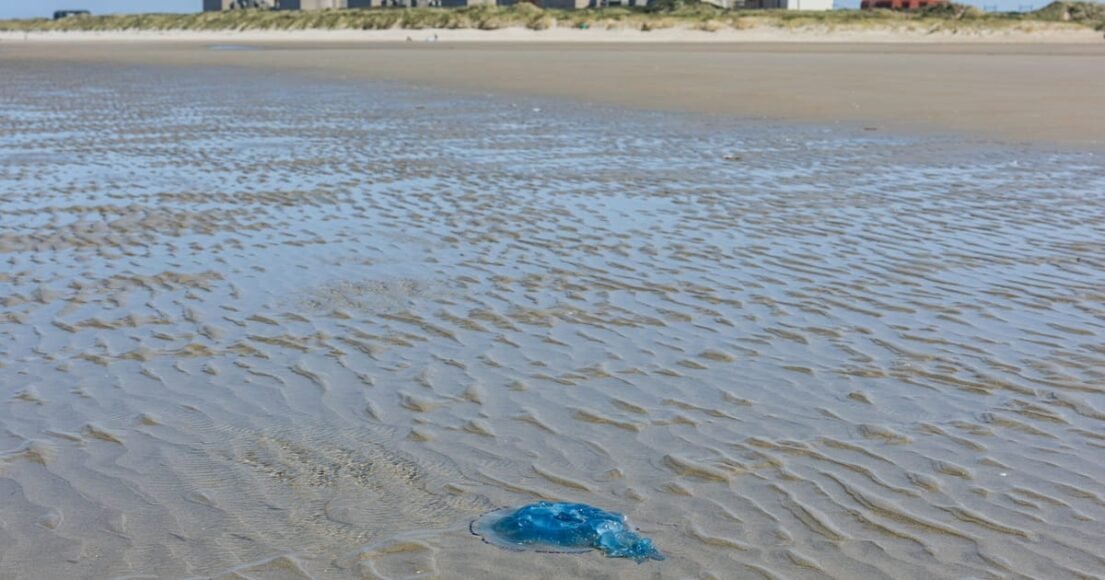
Rising sea temperatures have led to more frequent jellyfish swarms along the French coast recently, impairing a plant’s capacity to intake seawater, as seen at Gravelines. After last year’s incident at the North Sea plant, EDF installed cameras and deployed fishing boats for monitoring.
While the vessels “prevented a massive influx of jellyfish” on Saturday and Sunday, they were finally overwhelmed as the swarm expanded from “about 100 kilograms” to “several dozen tons,” said the French state-owned utility giant.
Nuclear energy opponents quickly commented on the incident.
“This only highlights that nuclear power plants are ill-equipped to deal with the consequences of climate change,” Greenpeace’s French branch said in a statement.










Leave a Reply