


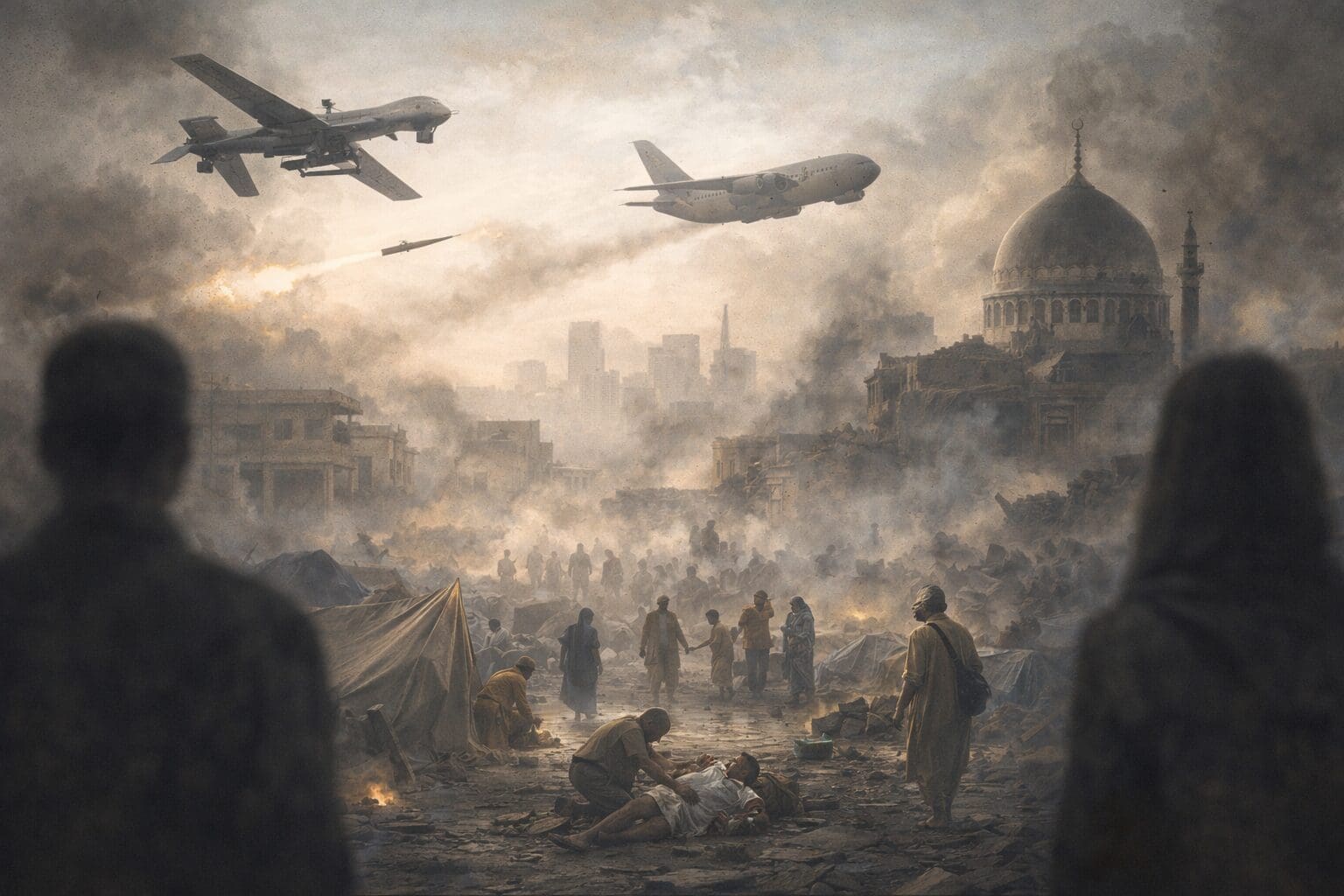
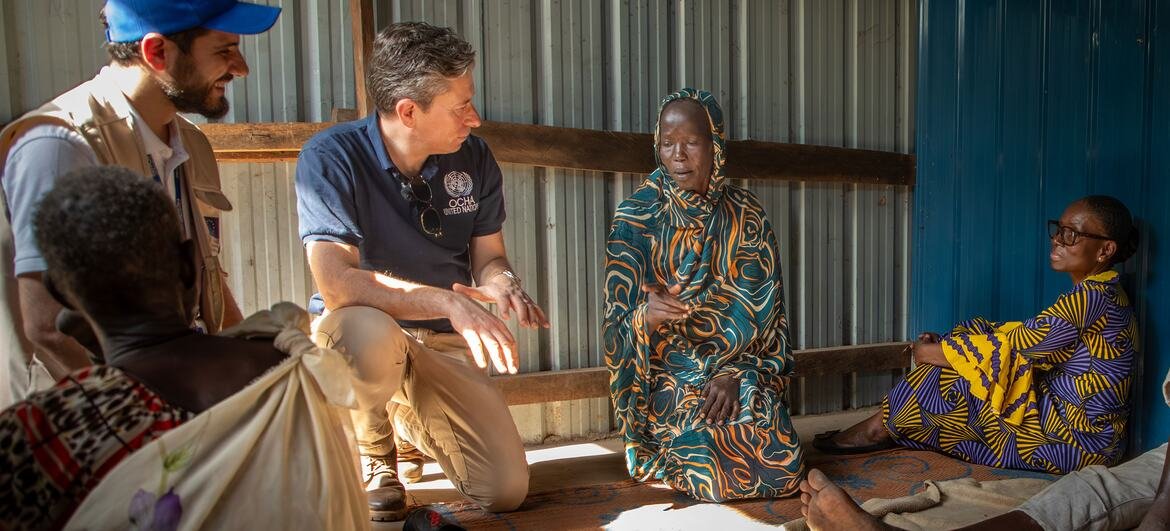
The conflict in Sudan has persisted for nearly three years, with United Nations agencies declaring it the globe’s largest humanitarian crisis, characterized by “sustained violence” and “restricted humanitarian access.” Civilian casualties are rising due to an increased use of advanced weaponry, notably drones. By March 24, 2026, drone strikes had killed over 500 civilians since January, according to the UN Human Rights Office. Professor Roland Marchal from Sciences Po highlighted at a Paris event that such high-tech systems are rare in the region, sustained by external support since April 2023.
Investigative journalists play an essential role in tracking external involvement. A Le Monde report on March 18, 2026, revealed ongoing support from countries like the United Arab Emirates, which continues supplying Sudan’s Rapid Support Forces through cargo flights, despite canceled commercial flights due to regional conflicts.
The conflict’s expansion into regions like Kordofan raises alarms of a potential “catastrophic scenario” reminiscent of El Fasher in Darfur, where the UN Fact Finding Mission reported “hallmarks of genocide.” Following El Fasher’s siege, Médecins Sans Frontières (MSF) visited in January 2026, uncovering widespread destruction and violence. MSF’s Mathilde Simon noted access remains incredibly challenging, impeding assistance and data collection.
Accountability discussions at Sciences Po featured Rodney Dixon KC, an expert in international criminal law, stressing the importance of investigating those providing support to the conflict. He emphasized the need for evidence-based inquiries into complicity.




Leave a Reply