



Spanish Congress has recently approved a new law, colloquially known as “anti-squatting,” which will speed up the process of eviction of illegally occupied housing in Spain. Thanks to this new reform, it will be possible to evict squatters or tenants in a matter of hours, a reform that has generated all kinds of opinions, both among political parties and citizens.
The roots of the “okupas” problem
The problem of “okupas” occurred due to several issues in Spain. First of all, a severe shortage of affordable housing, with rising rents and stagnant wages. Many low-income individuals and families turn to squatting as a last resort. Among them are not only illegal migrants but also ordinary Spanish citizens. Secondly, Spain’s laws on property occupation are seen as lenient, allowing squatters to avoid immediate eviction if they establish residency for more than 48 hours. Moreover, legal proceedings to evict squatters can take months or even years, during which property owners must continue to pay taxes and utility bills, a situation that is even more convenient for the “okupas” representatives. As a result, “okupas” are organizing criminal groups, or “mafias,” to cooperatively occupy properties and demand huge sums of money from the property owners for them (“okupas”) to vacate.
In addition, some squatters are supported by housing rights organizations like the PAH (Platform for People Affected by Mortgages), which advocates for the reoccupation of bank-owned homes as a form of protest against the housing crisis.
Supporters of illegal squatting state that the problem arose due to the failure of Spain’s housing system, with activists calling for better tenant protections and affordable housing policies. Opponents, however, see squatting as a violation of property rights and an abuse of legal loopholes. The most dramatic fact is that in Spain, “okupas” can occupy any property, even if it is the only home of the landlord.
However, the PNV amendment removes from the scope of the ordinary trial the classification of the crimes of breaking and entering and burglary (the crimes defined in articles 202 and 245 of the Penal Code) by including them in the scope of the abbreviated trial. The new amendment under the Judicial Efficiency Act aims to streamline trials for crimes such as illegal home occupation and home usurpation. These cases will now be resolved within approximately 15 days, reducing delays that previously allowed squatters to occupy homes for extended periods. Police have the right to evict squatters without a court order if action is taken within 48 hours of occupation. After this period, the eviction process requires legal proceedings, which have historically been lengthy but will now face expedited timelines.
Dear reader,
Opinions expressed in the op-ed section are solely those of the individual author and do not represent the official stance of our newspaper. We believe in providing a platform for a wide range of voices and perspectives, even those that may challenge or differ from our own. We remain committed to providing our readers with high-quality, fair, and balanced journalism. Thank you for your continued support.
Comments
4 responses to “Spanish Government Introduces Measures to Combat Illegal Squatting (“Okupas”)”
-
Oh, brilliant move, Spain! Finally cracking down on those pesky “okupas” like they’re a swarm of wasps at a summer picnic. Who knew that speeding up evictions would magically solve the housing crisis? 🏡💨
-
Isn’t it charming how Spain has decided to speed up evictions? I mean, why wait months to kick out someone squatting when you can do it in a matter of hours? Next thing you know, they’ll have an eviction express lane at the local court! 😏🏡
-
Just what we needed, a bureaucratic ballet to speed up the eviction of squatters—because who doesn’t love a bit of legal acrobatics? 🕺💼 Next, they’ll be holding eviction parties; bring your own confetti! 🎉
-
Oh great, just what Spain needed—speedy eviction laws! Because who doesn’t love a little judicial express service with their morning coffee? ☕💨

Last News

Cuban Addresses Fuel Shortage Issue
Cuba is facing a severe energy crisis following the halt of oil supplies from the United States and Venezuela in January. Consequently, gasoline is rationed, and power outages are widespread. On the black market, gasoline prices have soared to $8 per liter, six times the official state price.
Reuters reports a Cuban has converted a Fiat 126p to operate on coal.
Mechanic Juan Carlos Pino tackled

EU’s Google Fine Risks Triggering Trump as He Gears Up for More Tariffs
One diplomat mentioned that ambassadors could convene an extra

NATO Defense Support Bolstered as Zelenskiy Announces Raytheon’s Interceptor Production Partnership Intent
Kyiv, July 23 Eurotoday — NATO defence support remains central to Ukraine’s security strategy after President Volodymyr Zelenskiy said U.S. defence company Raytheon is interested in helping produce interceptor missiles in Ukraine. The proposal highlights efforts to strengthen the country’s air defence capabilities while expanding cooperation with Western defence manufacturers.
Raytheon Signals I


Germany rebukes Trump over South Africa’s G20 ban
During his speech, Wadephul highlighted his desire to build closer ties with South Africa, despite differences on significant geopolitical issues like Russia’s war in Ukraine, the Gaza conflict, and China. As a BRICS member, South Africa historically maintains close rel

Spanish Wildfire Response Criticized for Exposing Warning Gaps
Madrid, July 22 Eurotoday — Wildfire emergency response has come under renewed scrutiny after a devastating wildfire in Spain revealed weaknesses in emergency warning systems and outdated evacuation plans. Residents in several affected communities reported receiving delayed alerts as flames spread rapidly through dry woodland, leaving many to rely on neighbours and personal judgement rather than

From El Fasher to Brussels: Victims and Experts Urge EU Sanctions on the War’s Business Model

Le parquet de Paris ouvre une enquête sur le site “libertin” Wyylde
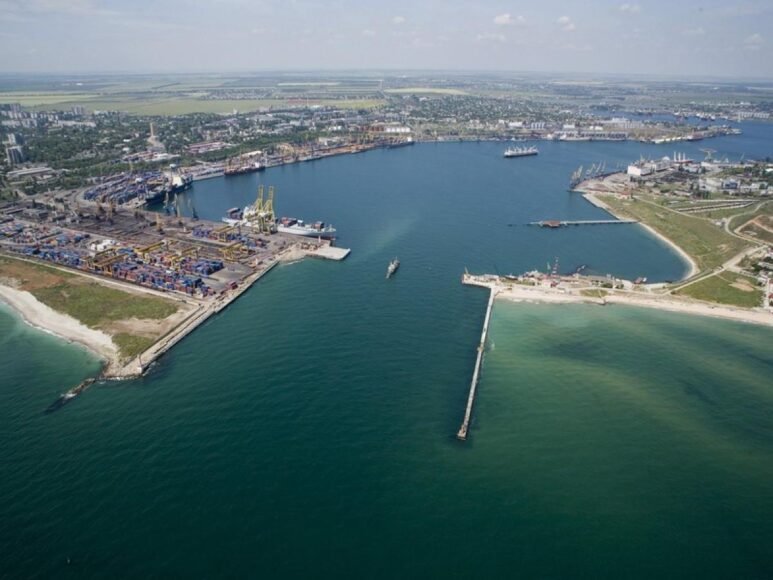
Maersk Halts Chornomorsk Fishing Port Service Following Russian Attacks in Global Shipping News
Kyiv, July 22 Eurotoday — Global shipping news remains focused on the Black Sea after Maersk suspended services through Ukraine’s Chornomorsk Fishing Port following intensified Russian attacks on port infrastructure. The move reflects growing security concerns for international shipping companies operating in the region and is expected to affect cargo movements until conditions improve.
Maersk S

Leave a Reply