


My dear friends in India,
I write this letter with warmth, respect, and hope. Our friendship convinces me that the ties between ordinary Indians and Pakistanis are stronger than the divisions created by politics, history, and conflict. We share a civilization dating back thousands of years, with common languages, literature, music, cuisine, traditions, and memories. We laugh at the same jokes, cherish similar family values, celebrate poetry, and understand each other’s emotions effortlessly.
Because of this shared heritage, I believe the people of India and Pakistan deserve a future of lasting peace.
For nearly eight decades, our nations have been trapped in cycles of suspicion, hostility, military confrontation, and periodic crises. Each generation inherits unresolved grievances from the last. While we cannot rewrite history, we can certainly shape the future.
The partition of British India in 1947 was a major tragedy in modern history. Millions suffered, many families were displaced, and countless innocent lives were lost. These wounds continue to shape our collective memory. No matter our different interpretations of the partition’s causes, it remains an irreversible historical reality. No nation can prosper by attempting to undo history.
Real leadership requires accepting realities while building a better future.
From my perspective, genuine reconciliation requires both India and Pakistan to recognize each other’s permanent legitimacy as sovereign nations. Any notions or narratives suggesting the reversal of partition or questioning each other’s existence only deepen mistrust. Lasting peace demands mutual respect for each other’s sovereignty and national identity.
At the same time, Pakistan must also show courage in supporting a peaceful and democratic future for the people of Kashmir. The aspirations of Kashmiris deserve to be heard without coercion, violence, or domination. Whether one agrees with this view or not, the wishes and dignity of the people should remain central to any lasting settlement. Military confrontation or perpetual rivalry has not brought peace to the region.
History offers many examples of former enemies becoming trusted partners. European countries fought devastating wars for centuries before opting for cooperation over conflict. Today, they trade, study, innovate, and prosper together. Their success came not from forgetting history but from refusing to remain prisoners of it.
South Asia deserves the same opportunity.
The world around us is changing rapidly. The twenty-first century is witnessing profound geopolitical transformations. The rise of the Global South, economic growth centers, technological revolutions, climate change, and shifting international alliances require regional cooperation rather than hostility.
Countries consumed by conflict risk being left behind.
India has enormous economic potential, technological capability, and global influence. Pakistan holds a strategic geographic position and immense human potential. Instead of viewing each other primarily as security threats, our countries could become partners in creating one of the world’s largest zones of economic cooperation.
Imagine open trade across borders.
Imagine students freely studying in each other’s universities.
Imagine collaboration among artists, writers, scientists, doctors, engineers, and entrepreneurs.
Imagine tourists visiting historical sites without fear.
Imagine families separated by partition meeting without bureaucratic hurdles.
Imagine billions spent on weapons being invested instead in schools, hospitals, research, clean energy, railways, water management, and public health.
The greatest beneficiaries would not be governments but ordinary people.
Millions of Indians and Pakistanis struggle with poverty, unemployment, inadequate healthcare, insufficient educational opportunities, and rising living costs. These are the real enemies, not each other.
Every rupee diverted from development to military competition is a lost opportunity for a child without education, a patient without treatment, or a young person without meaningful employment.
Peace is therefore not merely a moral aspiration; it is an economic and humanitarian necessity.
As friends, we may disagree about history and interpret the past differently. We may honor different national narratives. Yet friendship requires mutual respect, intellectual honesty, and a willingness to listen.
I do not ask anyone to abandon their love for their country. Patriotism and peace are not opposites. One can love their nation deeply while wishing prosperity and security for their neighbors.
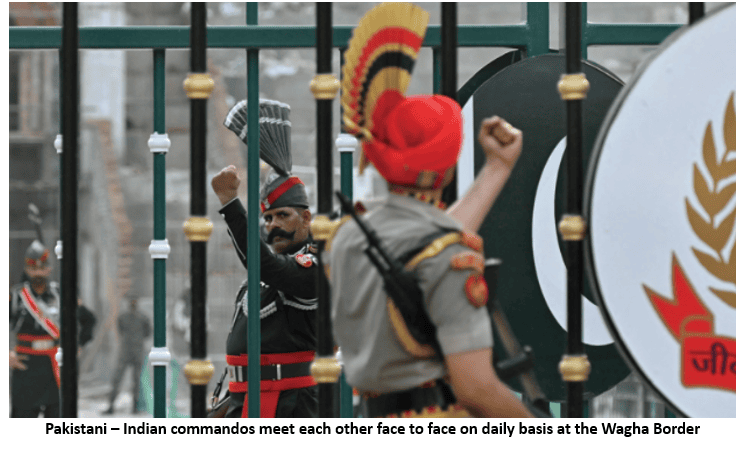
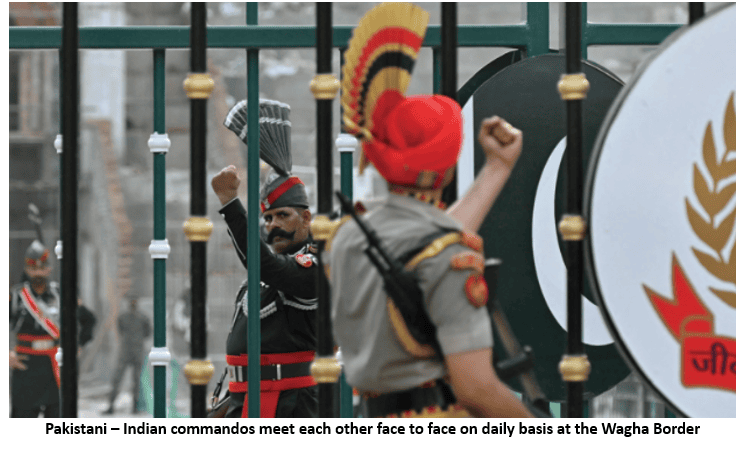
A good example of people-to-people relations is the warm welcome Sikh pilgrims receive at the Wagah Border, with flowers, rose petals, and celebrations at sites like Nankana Sahib and Gurdwara Panja Sahib.
The strongest nations are often those confident enough to pursue reconciliation.
Our generation has a unique responsibility. We can either continue transmitting suspicion or begin transmitting hope.
Children born today in cities and villages across both countries deserve a future free from fear. They deserve opportunities greater than those available to their parents. They deserve to inherit cooperation instead of conflict.
This vision may seem idealistic.
But history shows us that lasting peace once seemed impossible until courageous people decided endless hostility was no longer acceptable.
I dream of the day when India and Pakistan are examples of reconciliation, with peaceful borders, complementary economies, and people recognizing each other as neighbors sharing a destiny, not as enemies.
Whether one agrees with each proposal is less important than embracing the principle: peace serves both nations better than perpetual confrontation.
May wisdom prevail over anger.
May dialogue replace suspicion.
May cooperation replace









Leave a Reply