


Departments must achieve average “efficiency gains” of 4 percent by 2028/29, equating to £13.8 billion annually. HM Revenue and Customs aims for a 13.1 percent spending reduction via “AI and automation” and relocating 85 percent of staff outside London. The Department for Work and Pensions plans to use AI to assess jobseekers’ CVs.
Eleven central London government offices will close, including the Ministry of Justice’s 102 Petty France and the Department of Health’s 39 Victoria Street. Additionally, overseas allowances for British diplomats are under “review and revision.”
The exact details for these efficiency savings remain unclear, and officials have not disclosed the number of potential civil service job losses.
The chancellor announced significant figures, often lacking context, to demonstrate increased spending. However, the specifics reveal more detail. The spending review figures are mainly from “phase one” (2023/24) when Conservatives were in power. The budget will tighten considerably in “phase two,” beginning next year, with real-terms day-to-day spending growth slowing from 2.7 percent in 2024/25 to just 1 percent annually from 2027/28.
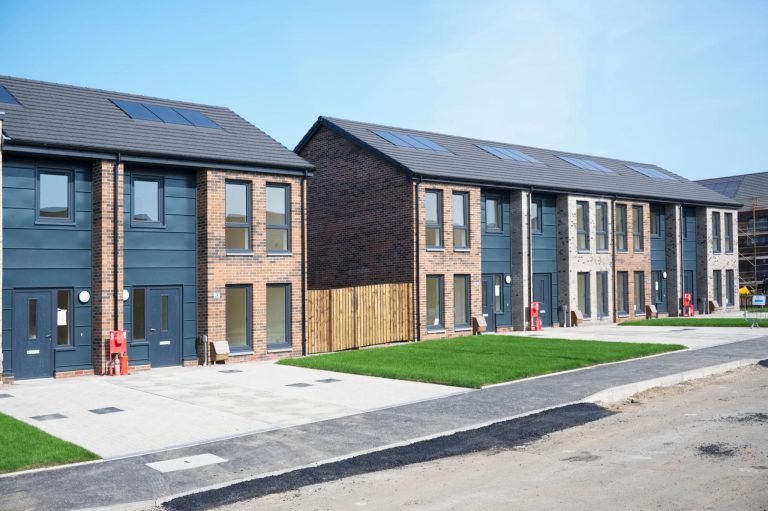
Headline figures are often extended over long periods. Reeves committed to Labour’s promise of building 1.5 million homes by 2029, supported by a £39 billion Affordable Homes Programme. This plan stretches over a decade and will only reach full pace (£4 billion annually) by 2029/30, around the next election. Labour MPs are eager for immediate housing development and occupancy.










Leave a Reply