


National tragedies often bring moments of collective grief, reflection, and a demand for responsible leadership. In recent years, however, critics argue that Trump immigration policy has repeatedly been reshaped during such moments, turning public sorrow into justification for sweeping political action. This approach has intensified debate over whether crisis driven policymaking strengthens national security or undermines the principles of fairness and legality that underpin the US immigration system.
At the center of this debate is Donald Trump, whose responses to high profile incidents have frequently included renewed calls for immigration restrictions. While supporters frame these moves as decisive leadership, opponents argue they blur the line between public safety and political opportunism, especially when legal immigrants are caught in the crossfire.
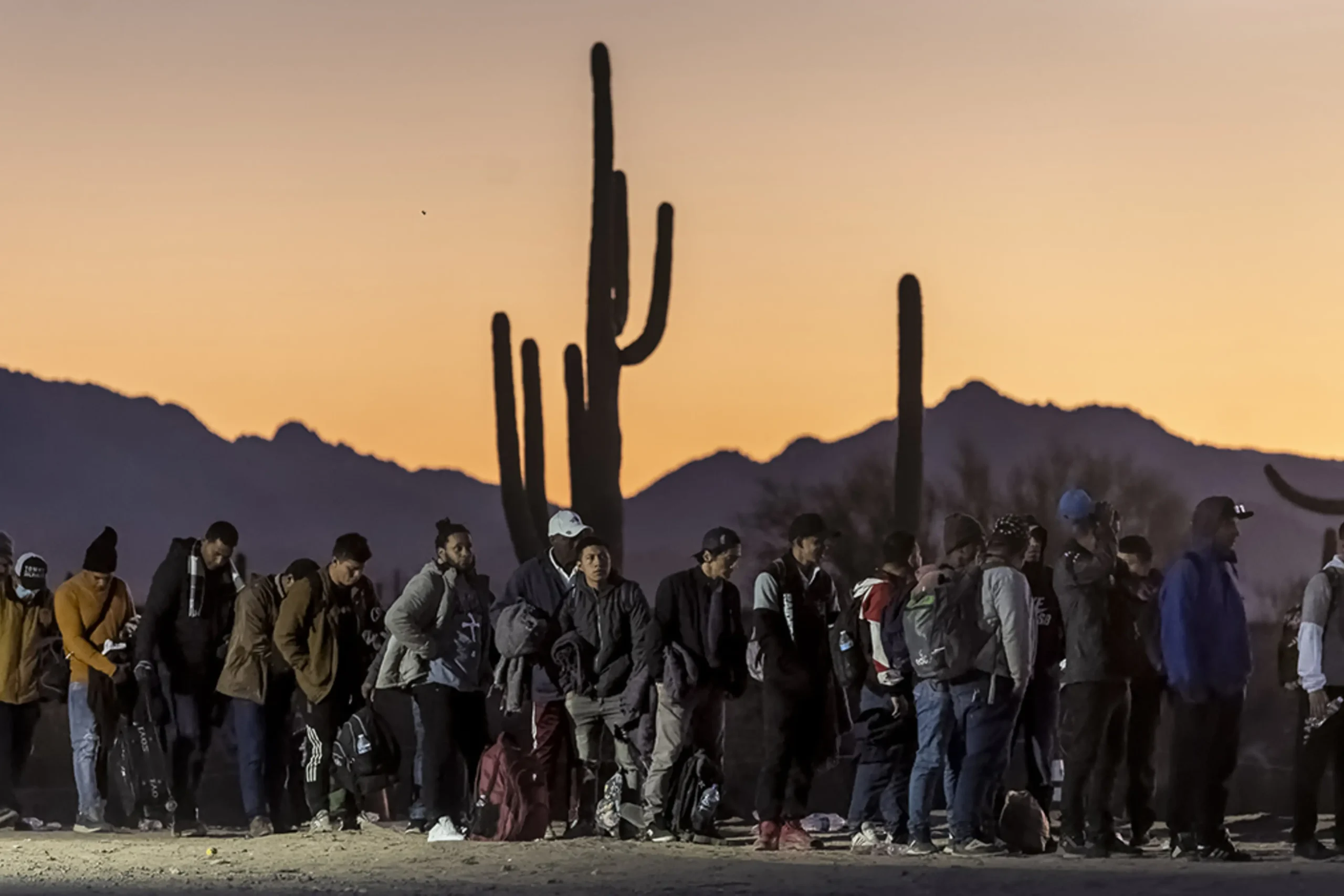
How Tragedy Shapes Immigration Narratives
Moments of crisis naturally heighten public fear and demand swift answers. Critics say Trump immigration policy often leverages this emotional climate, connecting isolated acts of violence to broader immigration systems without clear evidence that those systems failed.
This framing simplifies complex realities. Immigration pathways involve different visa categories, background checks, and legal standards, yet tragedy driven rhetoric can collapse these distinctions into a single narrative of risk. Over time, this erodes public understanding and fuels suspicion toward lawful immigrants who have complied with every requirement.
Legal Immigration Versus Public Perception
Legal immigrants enter the United States through established processes that include extensive vetting, documentation, and oversight. Despite this, opponents argue Trump immigration policy rhetoric has increasingly portrayed lawful pathways as vulnerabilities rather than regulated systems.
When public perception shifts in this way, the consequences are profound. Families who arrived legally find themselves questioned not for their actions, but for their status. This dynamic creates a chilling effect, discouraging integration and civic participation while reinforcing stereotypes that do not align with reality.
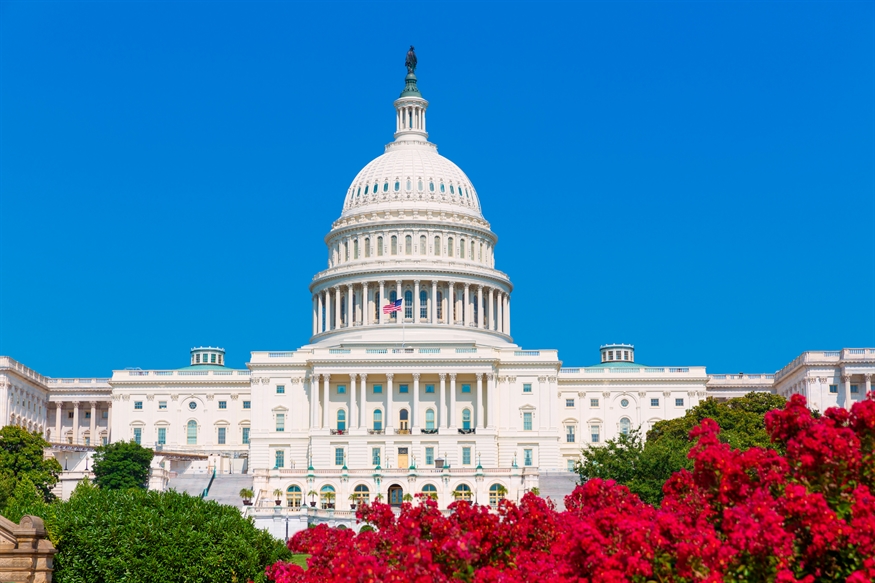
Impact on Families and Communities
For immigrant families, policy debates are deeply personal. Visas determine whether parents can work, students can study, and families can remain together. Each time Trump immigration policy is reexamined after a tragedy, uncertainty spreads quickly through communities that depend on stability to plan their lives.
Community organizations report rising anxiety even among permanent residents and long term visa holders. Parents worry about sudden rule changes, while young people fear losing educational opportunities they worked years to earn. This climate of uncertainty weakens trust between communities and government institutions.
Economic Contributions Often Overlooked
Legal immigrants are integral to the US economy. They fill critical roles in healthcare, technology, construction, education, and entrepreneurship. Economists warn that instability linked






Leave a Reply