


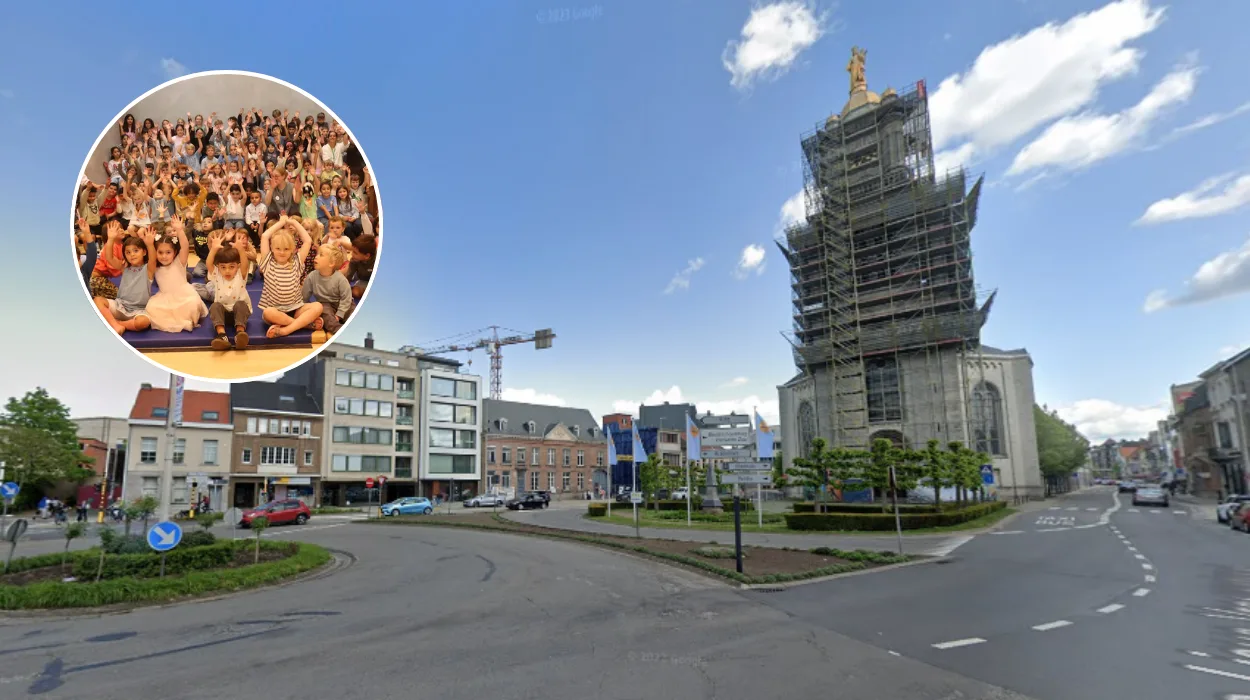
Sint-Niklaas (Eurotoday Newspaper) – In Sint-Niklaas, the 2026-2027 academic year did not begin with an assembly or even the quiet introduction of the first morning. In the Freinetschool Arker Universalis, students came back to class on Tuesday, 1st September 2026, for a day filled with experiments, demonstrations, and a mini-science show with the intent of arousing curiosity right from the first bell of the day. Based on the local coverage of the news, the day was marked as a celebration of inquiry-based learning as kids from all primary levels moved from one station to another where they mixed, made, tested, and launched.
According to organizers, this event was an intentional effort to set the stage for the coming year, fitting within the framework of Freinet methodology in which learning by doing is preferred to learning by hearing. Rather than devoting the whole morning to regulations and procedures, teachers took students straight to the experimenters’ role, raising questions, making predictions, and seeing the effects.
What exactly did the pupils do during the science day?
The main activity of the day involved the conduct of a number of practical workshops where children made use of simple chemistry concepts together with basic physics and engineering principles. The kids worked in groups where they made slime by combining various household items including glue, water and cross-linking agents in order to produce flexible and colourful polymers. In addition to the chemistry booths, there were also other groups who were busy designing and launching small rockets using light weight material and safe means of launching the rockets suited for kids.
The school summed up the experience in a direct quote that has already become the headline line for local coverage:
“We made slime and flew rockets,”
staff told reporters, capturing both the simplicity and the ambition of the day.
In addition to those events mentioned above, there was also an interesting science show performed live where experiments illustrating various physical and chemical phenomena were conducted. The idea of the whole presentation was to demonstrate to kids how science works – asking a question, forming a hypothesis, and then trying to test it and discuss its implications. The main idea in the Freinet approach was not only to amaze kids but to demonstrate to them that science is something that they can be a part of.
Why did the school choose a science-themed opening day?
The Freinet method of teaching, which was invented by French teacher Célestin Freinet, centres the process of education on experimentation, trial-and-error processes, cooperation and project activity. According to this method, children will learn most effectively if they participate in practical activities relevant to their interests and life. The choice of science-related orientation day is in line with this idea, providing an immediate possibility for teamwork, solving problems and creativity.
The experiment chosen by the Arker Universalis also corresponds to a larger tendency in Flemish and European primary education towards practical STEM-related learning. In Belgium, different programs such as the annual Printemps des Sciences in Wallonia and Brussels and Science is Wonderful! organized by the EU demonstrate the idea that children can work on real scientific questions in workshops, laboratories and interactive exhibitions.
Have similar science-day events taken place before in Belgium or elsewhere?
While this specific event at Arker Universalis
Seems like they figured out that mixing glue and water is far more enlightening than a boring old assembly. Who needs lectures when you can launch rockets and make slime, eh? 🎉👨🔬 So, a school in Sint-Niklaas decided to kick off the year with slime and rockets—brilliant! Next, I suppose they’ll be teaching kids how to brew their own beer to really engage those budding scientists. 🍻🚀 Only in Sint-Niklaas would the academic year kick off with kids concocting slime and launching rockets instead of the usual snooze-fest assembly. Who needs regulations when you can have mini-scientists making a mess? 🤪 Typical Belgian ingenuity: why start with boring speeches when you can make slime and launch rockets? Who knew primary education could double as a science fair and a mini-space program? 🚀😄 Starting the school year with slime and rockets? Brilliant! Next, they’ll teach them how to launch their futures while they’re at it. 🚀🙄 Fancy a bit of slime and rockets to kick off the school year? Because nothing says “back to school” like a mini-science show—who knew education could be this thrilling? 🎉🚀 Sint-Niklaas (Eurotoday Newspaper) – In Sint-Niklaas, the 2026-2027 academic year did not begin with an assembly or even the quiet introduction of the first morning. In the Freinetschool Arker Universalis, students came back to class on Tuesday, 1st September 2026, for a day filled with experiments, demonstrations, and a mini-science show with the intent of arousing curiosity right from the firs The first 100 days of the EU Special Envoy highlight a universal right under increasing global pressure and pose a question about the European Commission’s own dialogue with religious and belief communities. VALLETTA, 31 August (Eurotoday Newspaper) – Madam Justice Edwina Grima has begun summing up the case for jurors in the trial of Maltese businessman Yorgen Fenech, accused of complicity in the 2017 car bomb assassination of investigative journalist Daphne Caruana Galizia. Asheville, United States, 31 August (Eurotoday Newspaper) – German Finance Minister Lars Klingbeil has said there can be no return to normal Germany Russia relations while Russia’s war against Ukraine continues, criticising the way Moscow’s finance minister was received at a G20 meeting in the United States.
Comments
5 responses to “Science Day Marks Start of Year at Freinet School Arker Universalis in Sint-Niklaas”
Last News
Science Day Marks Start of Year at Freinet School Arker Universalis in Sint-Niklaas
McGuinness’s FoRB and Article 17 Message Focuses on Brussels
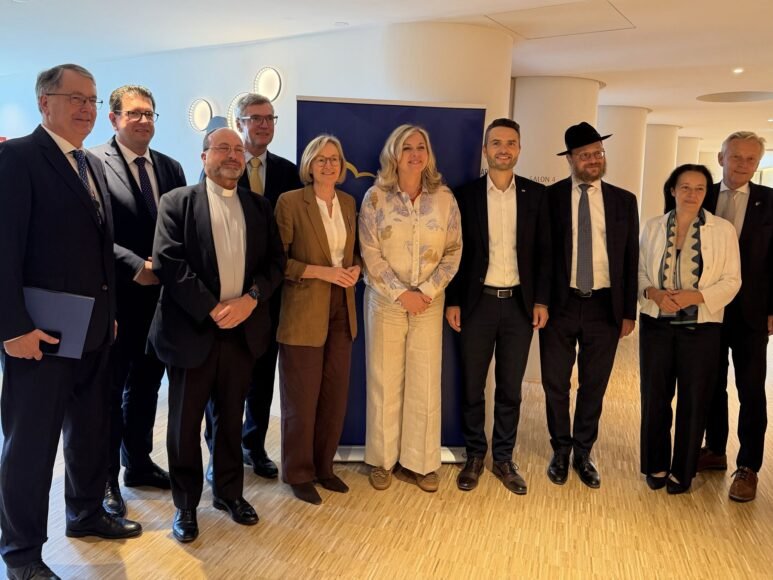
Mairead McGuinness, marking her initial 100 days as the EU’s Special Envoy for Freedom of Religion or Belief outside the EU, underscores this right as universal. Her focus on listening, plur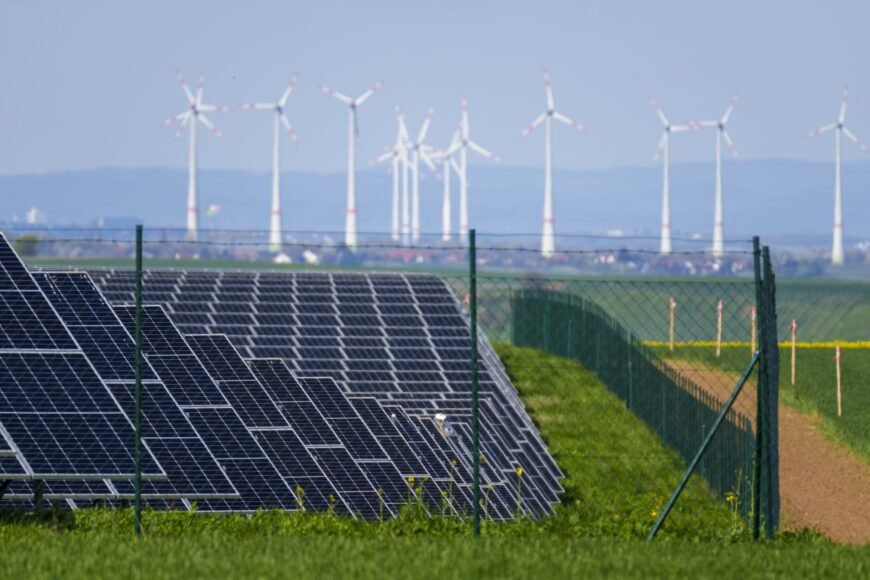
Renewables Essential for Reducing Fossil Fuel Dependence and Stabilizing Energy Prices, According to European Environment Agency
“Transitioning to a sustainable future by enhancing our circular economy, adopting renewables, and boost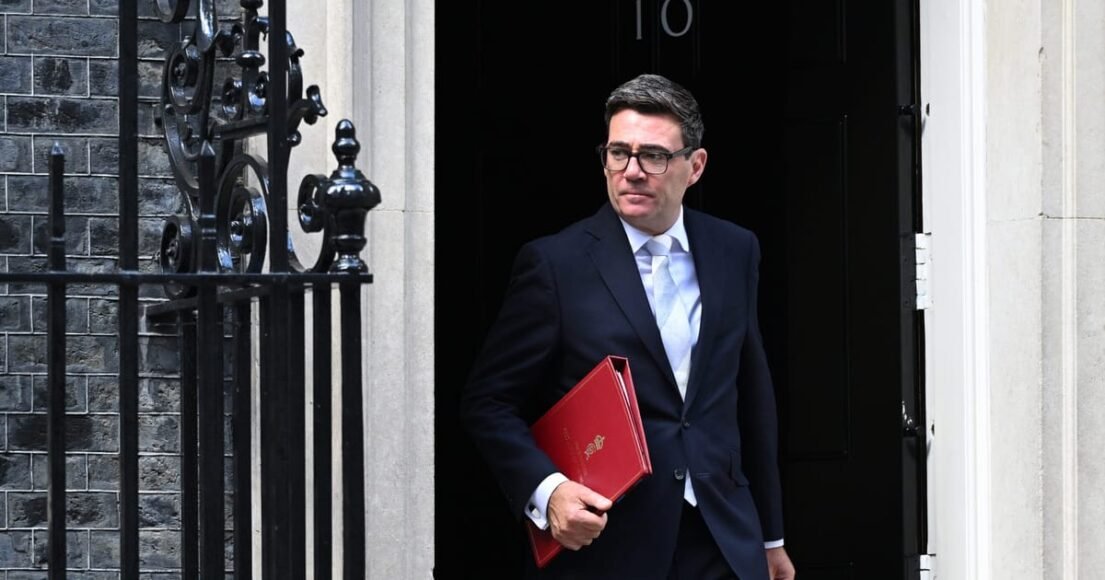
Andy Burnham Advised to Collaborate with EU on Energy to Counter China
Additionally, it proposes to enhance regional independence on green energy.
Competing with China
The authors suggest that the U.K. fully rejoining the North Sea Energy Cooperation Group (NSEC) would facilitate energy investments like 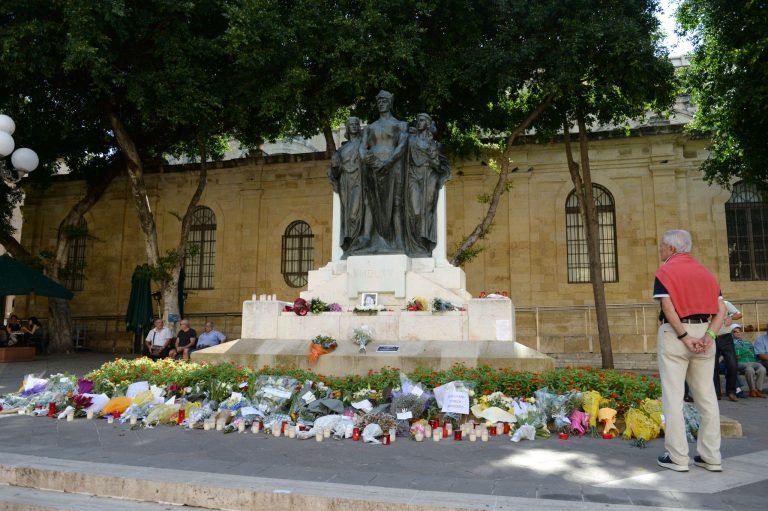
Verdict Expected This Week in Yorgen Fenech’s Trial for Daphne Caruana Galizia’s Murder in Malta
Following 52 days of testimony and closing arguments, the nine-member jury is set to deliberate on Fenech’s fate this week.
Th
Incompatibility Made "Compatible" by Deceptive Text of the Council of Europe’s Committee on Bioethics
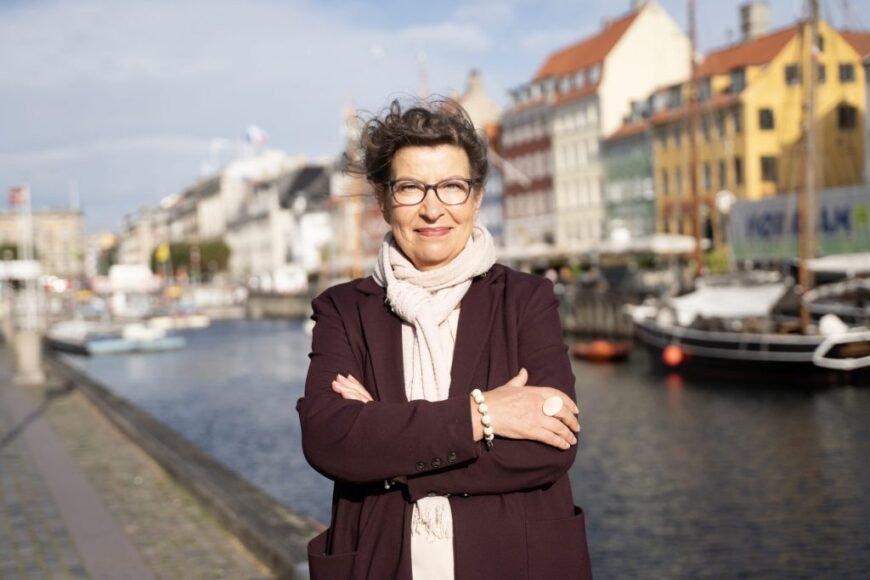
EEA Chief Warns Climate Change May Render Parts of Europe Inadequate for Farming
“Certain crops will no longer thrive, particularly in the most arid areas of the Mediterranean and southern Europe,” Ylä-Mononen stated in an
Burnham Joins the Political Arena
The PM is set to make his debut in the Commons, pledging to “bring back hope” and enhance affordability in people’s lives. However, with public finances under strain, the question remains whether he can fulfill his promises to reduce energy bills,
Germany Declares No Return to Normalcy with Russia
Klingbeil made the remarks during a gathering of G20 finance ministers and central bank 
Russia Launches Digital Ruble
Individuals can open digital ruble accounts via participating banks’ mobile apps, allowing monthly transfers of up to 300,000 rubles (approximately $3,500) from traditional bank accounts to digital rubles, while bus

Leave a Reply