


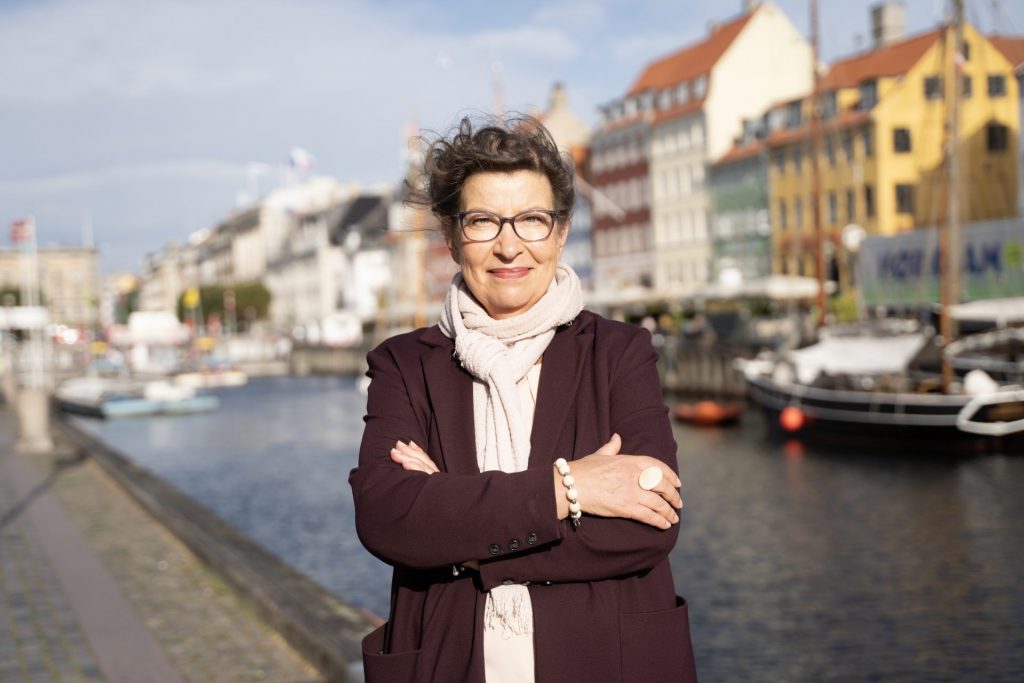
Heat, drought, and water scarcity are poised to significantly alter agriculture in parts of Europe, rendering some crops unviable in the driest regions of the Mediterranean, according to European Environment Agency (EEA) Executive Director Leena Ylä-Mononen.
“Certain crops will no longer thrive, particularly in the most arid areas of the Mediterranean and southern Europe,” Ylä-Mononen stated in an interview with the European Newsroom (enr) released on Tuesday. She noted that more intensive irrigation might not be a viable solution due to potential water shortages, suggesting that some agricultural land may become unsuitable for farming in various European regions.
This summer served as a “clear illustration” of the challenges facing Europe, she remarked. “Severe droughts have disrupted agriculture, transport, and even energy infrastructure, while intense heatwaves throughout many parts of Europe have had significant repercussions on infrastructure, public health, and overall well-being.” She warned that delayed and reduced harvests could lead to food security concerns this winter.
The repercussions are extending beyond Europe’s traditionally arid areas, Ylä-Mononen highlighted, pointing to drought conditions in Ukraine and Hungary, alongside unusually dry weather in the United Kingdom and Finland. Although northern Europe may become suitable for some new crops, it is unlikely to offset the repeated losses incurred from droughts, floods, and extreme weather in other regions.
Future-proof solutions
Ylä-Mononen urged European leaders to adopt a long-term perspective in planning for foreseeable climate risks over the next decade. “This type of short-term thinking will not serve us well,” she asserted, emphasizing that infrastructure and agricultural investments must consider ten-, 20-, and 50-year time frames.
This warning aligns with findings from the EU’s Joint Research Centre, which reports drought conditions affecting half of the EU and the UK, along with low river flows and deteriorating agricultural conditions in several regions.
In a report released in March, prior to this summer’s heatwaves, the EEA stated that drought (54%), heavy rain (21%), frost (16%), and hail (9%) combined account for 80% of agricultural losses in the EU.
Ylä-Mononen claimed that Europe can no longer regard climate adaptation as an optional policy to be addressed when funds permit, as heat and drought are already impacting agriculture, water resources, transportation, and energy systems. She noted that some damages could have been mitigated with earlier investments.
The EEA chief emphasized that adaptation must be complementary to mitigation: Europe needs both to lower emissions and to prepare for ongoing climate impacts, even under aggressive emissions reduction strategies. However, the costs associated with both action and inaction are escalating.
The EEA estimates that the costs of adaptation in transportation, energy, and agriculture sectors will range from 53 billion to 137 billion Euros annually until 2050, depending on the projected temperature rise above pre-industrial levels.
The European Environment Agency (EEA) is the EU body responsible for providing independent environmental data, assessments, and analyses to support policymaking in Europe.






Leave a Reply