



Have you always wondered why the Iran nuclear deal became such a hot topic, only to crumble amidst controversy? What went so wrong? Was it ego-driven politics, strategic missteps, or simply a matter of bad timing?
The Iran nuclear deal, formally known as the Joint Comprehensive Plan of Action (JCPOA), was celebrated as a landmark achievement in diplomacy. It aimed to halt Iran’s pursuit of nuclear weapons in exchange for lifting crippling sanctions. Signed in 2015, it was seen as a beacon of hope—until it wasn’t. By 2018, the deal was unraveling, and the world pointed fingers in all directions seeking blame.
So, let’s break it down—what happened, where it went off the rails, and what lessons can be learned.
The Promise of the Deal (And the Big Why)
In blank” rel=”noopener”>2015, the JCPOA was heralded as the “nuclear peace treaty” of the decade. The agreement seemed straightforward: Iran would curb uranium enrichment and allow international inspectors access to its facilities. In return, nations like the U.S., EU, and China would ease economic sanctions that had battered Iran’s economy.
For Iran, it represented a path to economic revival. For the West, it offered a way to keep nuclear weapons out of reach. A win-win, right?
Well, not so fast. Trust began to erode faster than you could say “uranium centrifuge.”
JCPOA Promises
Let’s take a quick look at what the JCPOA aimed for versus what actually happened:
| Promise | Outcome |
| Reduce uranium stockpile by 98% | Achieved briefly, then Iran resumed enrichment by 2019 |
| Limit enrichment to 3.67% | Breached by 2021, reaching 60% enrichment |
| Cut active centrifuges | Initially fulfilled, but over 2,000 restarted later |
| Sanctions relief | U.S. withdrawal snapped sanctions back into place |
While early progress was made, the deal’s foundation proved too weak to sustain long-term commitments.
What Went Wrong?
There was no single cause for the breakdown. Here are some major factors:
Trust Issues: Iran felt shortchanged by what it saw as inadequate sanctions relief. Conversely, the U.S. doubted Iran’s long-term sincerity.
Political Turmoil: In blank” rel=”noopener”>2018, President Trump denounced the JCPOA as “the worst deal ever” and pulled the U.S. out, demanding a tougher stance. Iran responded by scaling back its compliance.
Mixed Messaging: Europe wanted to salvage the deal but lacked the clout to counter U.S. sanctions.
Regional Politics: Israel and Saudi Arabia were staunchly opposed, fearing the deal empowered Iran’s regional influence.
Iran’s Perspective: Why Should They Stick Around?
Initially, Iran played along.
Oh, brilliant! A “nuclear peace treaty” that went belly-up faster than a cheap soufflé at a Parisian café—who knew trust was so hard to come by in international relations? 😏🥐 Oh, the Iran nuclear deal—what a charming little soap opera that turned out to be! It’s like watching a group of diplomats trying to negotiate over a game of chess while someone keeps flipping the board over. 🎭💼 Baffling, innit? We throw around fancy treaties like confetti, only to watch them disintegrate faster than a baguette in a Parisian bakery. At this rate, we might as well label it a “Nuclear Deal Gone Rogue” – sounds like a hit movie, doesn’t it? 🍿 Mumbai, July 18 Eurotoday Newspaper — Private sector banks India remained in focus after ICICI Bank reported a 15.9% year-over-year increase in first-quarter net profit, beating market expectations as strong loan growth and lower provisions boosted earnings. The lender reported standalone net profit of ₹148 billion for the April-June quarter, exceeding analyst estimates of about ₹131.8 billion.
Le défi d’Ali al-Zaidi face à l’Iran, aux États-Unis et aux fragilités d’un pays en reconstruction Cupertino, California, July 17 Eurotoday Newspaper — Apple Intelligence is helping strengthen investor confidence as Apple closes the gap with Nvidia in the race to become the world’s most valuable publicly traded company. Strong gains in Apple’s stock have reduced the difference in market capitalization, highlighting growing optimism about the company’s artificial intelligence strategy and futu Brussels, July 17 Eurotoday — Russia defense sector has come under renewed pressure after the European Union announced sanctions against one Russian executive and five companies linked to drone production. The measures are part of the EU’s latest effort to limit access to financial resources, technology, and international business networks that could support Russia’s military capabilities. The s
Comments
3 responses to “Reasons Behind the Failure of the Iran Nuclear Deal”
Last News
German Conservative Parliamentary Leader Resigns Amid Surrogacy Debate
While surrogacy is illegal in Germany, there is no penalty for raising a child born via surrogate abroad.
Spahn, a former health minister, faced hypocrisy accusations as Germany’s Christian Dem
ICICI Bank Q1 Profit Surges 15.9%, Exceeding Expectations in Private Sector Banks India
Isaac Hammouch – Irak : un État entre renaissance et rivalités géopolitiques
L’Irak est aujourd’hui l’un des pays les plus stratégiques du Moyen-Orient. Sa position géographique, ses immenses ressources pétrolières et son histoire en font un acteur central des équilibres régionaux. Depuis la chute de Saddam Hussein en 2003, le pays s’efforce de reconstruire un État capable 
Spain’s Sánchez to Attend FIFA World Cup Final Alongside Trump
A spokesperson emphasized the brief natur
Apple Intelligence Drives Apple’s Quest for World’s Highest Market Value
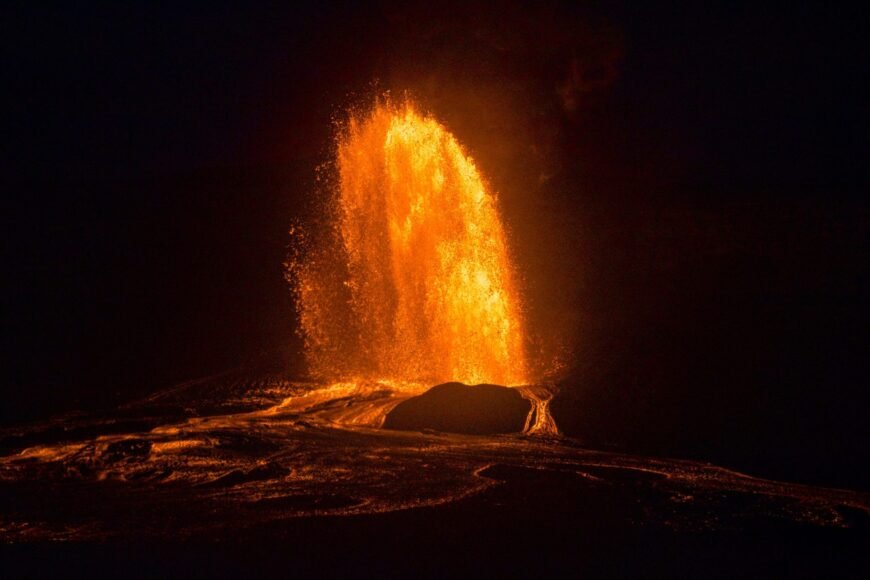
Antarctic Volcano Erupts Daily with Pure Gold Crystals
The Erebus volcano, the Earth’s southernmost active volcano, is situated on Ross Island, about 1,350 kilometers from the South Pole. It features a constant lava lake. Besides lava and gases, it releases something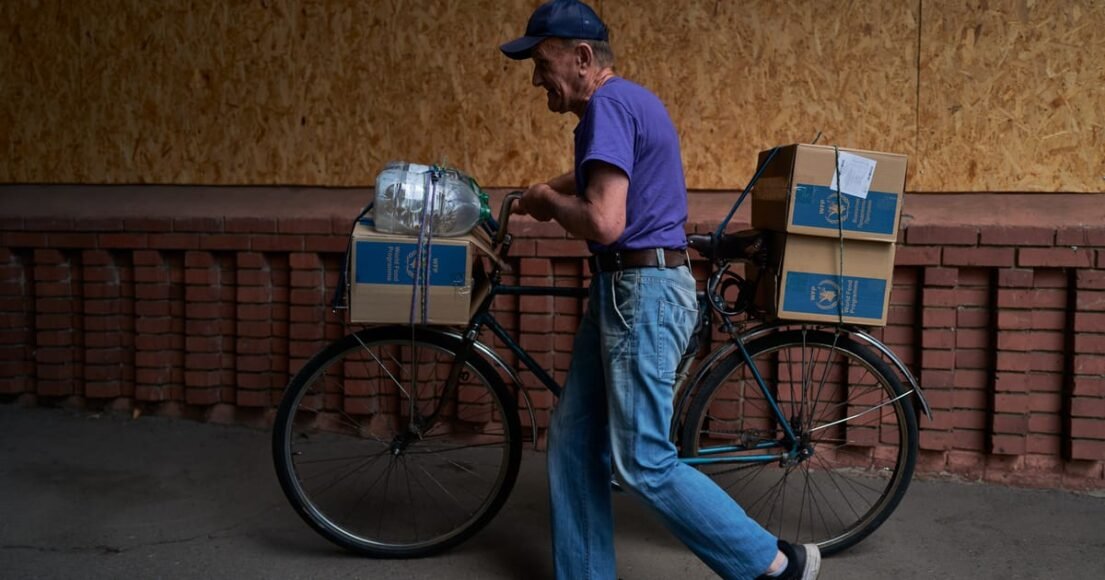
How Food Delivery Works in Ukraine’s ‘Killing Zone’
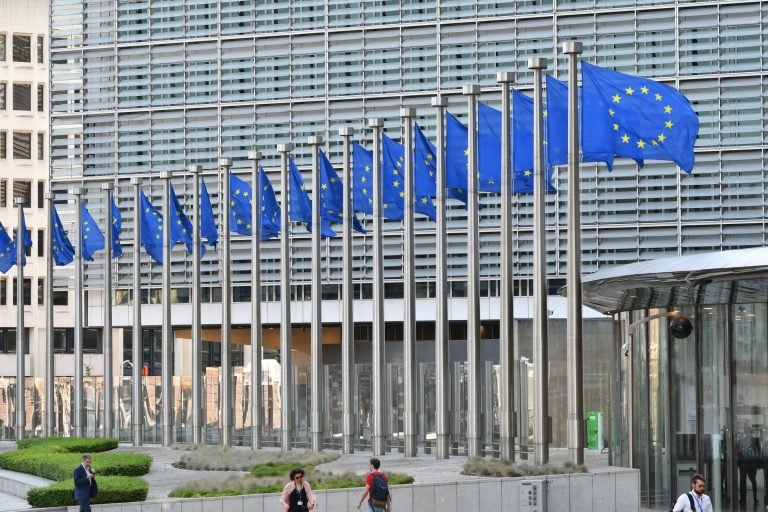
EU Sanctions Hit Russia’s Defense Sector, Targeting Executive and Five Companies
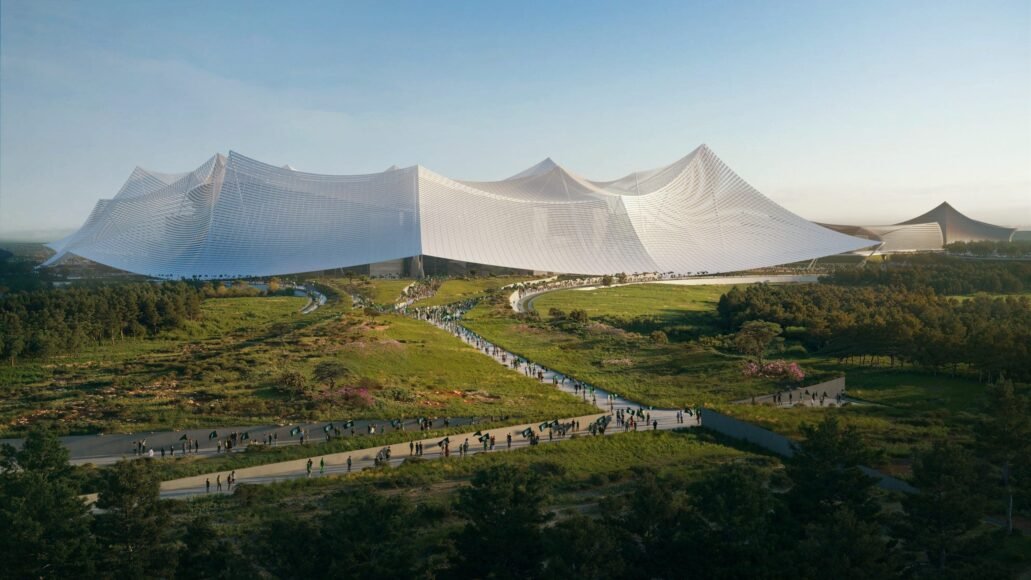
Morocco’s Ambitious Plan to Construct the World’s Largest Football Stadium
The stadium will be situated in the El Mansouria region, about 38 kilometers north of Casablanca, with a capacity of 115,000 spectators. It will feature modern architecture with 32 monumental entrances, incorpora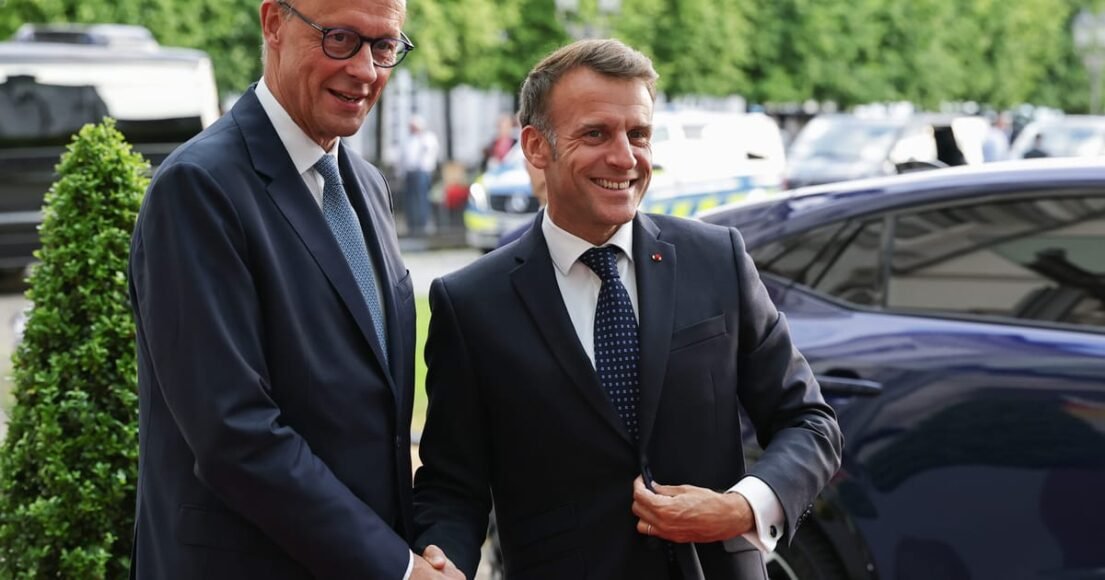
Merz and Macron Commit to Swift Action on EU Priorities Before Possible Le Pen Presidency
Merz emphasized the urgency. “Collaboration between Germany and France is essential when Russia threatens our security, the People’s Republic of China challenges our economy, and the transatlantic partnership is no longer a

Leave a Reply