


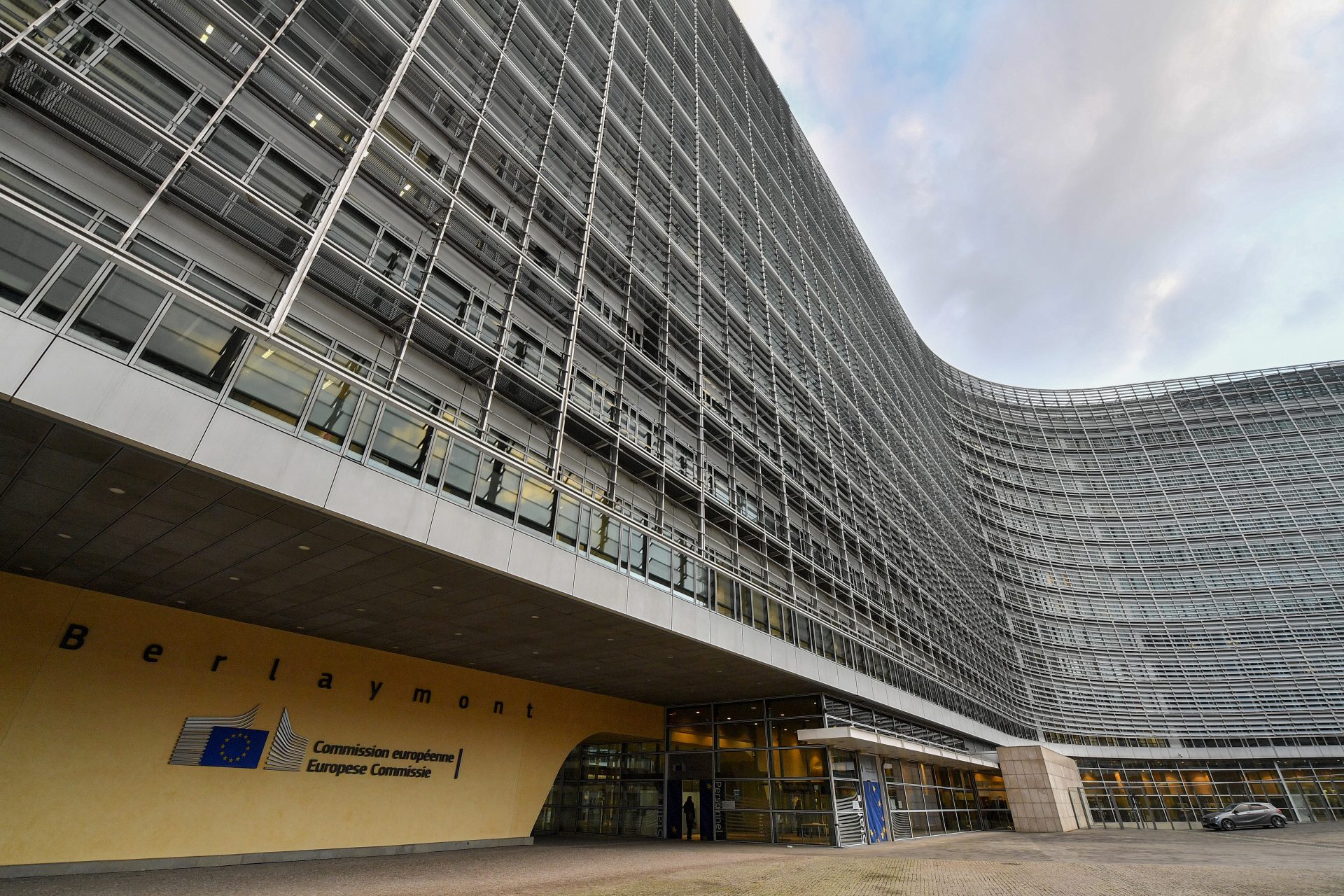
Brussels – Jan Rafaj, president of the Confederation of Industry of the Czech Republic, has urged the European Commission to halt its regulatory activities and refrain from implementing new standards, allowing businesses to “breathe and focus on their work.” Rafaj made these comments during a meeting with journalists in Brussels on Tuesday evening. Accompanied by representatives from the Czech Confederation of Industry and Transport, he presented a document prepared in collaboration with experts that outlines necessary steps for enhancing Europe’s competitiveness.
Rafaj indicated that the document identifies 68 specific measures designed to swiftly “ease regulatory burdens on companies.” This proposal has already been shared with certain politicians and discussed with officials from the European Commission. “After collaborating with industry associations and experts for a year, we developed a forty-page document detailing what actions are needed across various sectors. We emphasize that boosting competitiveness requires giving businesses the space to operate effectively, which entails a sort of legislative and regulatory detox,” stated Rafaj.
He expressed concerns that Europe is falling behind the United States and China in the digital realm, noting that the European Commission has prioritized regulation over fostering the growth of major companies. The Confederation argues that the new commission should prioritize the elimination of administrative obligations rather than introducing new regulations. Even major corporations struggle to keep up with the constantly evolving regulatory landscape, the Czech confederation pointed out. Additionally, the digital sector is among the most heavily regulated in the EU, with 116 legislative proposals put forth during the last parliamentary term.
Rafaj also highlighted the importance of setting realistic climate goals. He believes that European climate initiatives must take into account the diverse conditions of individual member states and the actual availability of decarbonization technologies. Some sectors cannot transition to decarbonization as rapidly as current European legislation demands. Rafaj emphasized that European rules should acknowledge national energy mixes; for the Czech Republic, it is essential to avoid discrimination against nuclear energy and to align renewable energy and energy efficiency goals with practical realities. He also brought attention to additional priorities, including lowering energy prices and promoting research and innovation. (January 29)









Leave a Reply