



Warsaw (Eurotoday) – Poland also objects to the EU-Mercosur free trade deal with South American countries in its current form, joining France in standing against an arrangement European farmers say will expose them to unjust competition.
Polish Prime Minister Donald Tusk has stated that Poland will not accept the free trade agreement between the European Union and the Southern Common Market (Mercosur) in its current format. The Polish government is meeting to examine a draft resolution drafted by the Ministry of Development and Technology on the negotiations for a free trade agreement between the European Union and the Mercosur bloc, which includes Argentina, Brazil, Paraguay, Bolivia and Uruguay.
What are Poland’s main objections to the Mercosur agreement?
PM Tusk expressed: “The Council of Ministers voices its opposition to the current results of negotiations with Mercosur in the area of agriculture, in particular to the expansion in tariff quotas for poultry meat at the last stage of the exchange of tariff offers.” He further said that it was a political announcement that Poland would not accept the EU-Mercosur deal in its current form. “We are not alone; many member states have a similar opinion,” Tusk said.
French President Emmanuel Macron already reiterated his objection to a contract with Mercosur as proposed during a visit to Argentina this month. France, the EU’s largest agriculture producer, has been trying to persuade other EU members to form a minority coalition against the deal. Moreover, Farmers say the deal with the Mercosur bloc which includes Brazil, Argentina, Bolivia, Paraguay and Uruguay will initiate unfair competition for EU farmers and food makers as it will permit large imports of products that are not bound by the same strict principles they face in the EU.
What is Brazil’s stance on the Mercosur trade negotiations?
On the other hand, Brazil has been trying to have the EU-Mercosur deal signed by the end of the month while it carries the presidency of the G20. Advocates of the deal, including the EU’s biggest economy Germany, state it will open up more markets for their exports.
What is the deal about?
It seeks to create one of the largest free trade zones in the world, surrounding 700 million people and almost 25% of global GDP. Much like the U.S.-Mexico-Canada free trade arrangement, its goal is to decrease tariffs and trade barriers, making it more comfortable for businesses on both sides to export goods. For the EU, the deal would signify lower tariffs on products like cars, machinery and chemicals. Mercosur nations would profit from better access to EU markets for agricultural exports such as beef, poultry and sugar. Negotiations started in 1999 and an initial understanding was reached in 2019, but it remains unsettled due to significant resistance, particularly from France and EU farmers.
Comments
One response to “Poland Aligns with France to Oppose EU-Mercosur Agreement”
-
Just what we needed—a trade deal that promises to make our farmers cry into their borscht while South American beef floods our markets 🌍🥩. Bravo, Tusk and Macron! Nothing like a good old-fashioned food fight to spice up diplomacy, eh? 😏

Last News

Seven Proposals Funded in Horizon Europe Digital Call 2026
HaDEA is now initiating grant agreement preparations with the successful consortia of 7 proposals, which will receive a total EU contribution of €81.3 million.
For more details, evaluation results for each topic are available on t
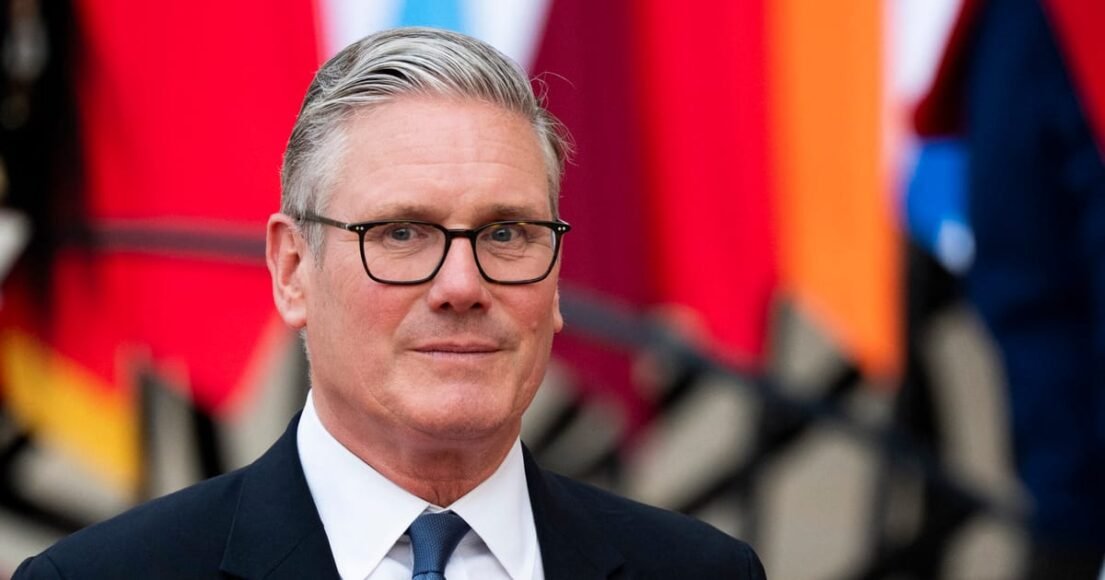
By-Election Set for Keir Starmer’s Former Seat on Oct. 8
In 2024, Starmer secured the seat with an 11,572 majority but encountered strong competition from a left-wing independent candidate and the Greens.
Green Leader Zack Polanski has put himself f
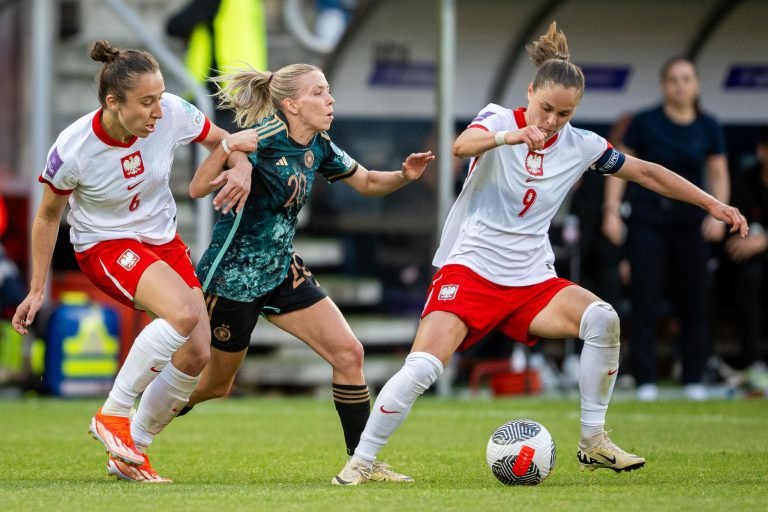
Infantino’s Attendance in Doubt as FIFA U-20 Women’s World Cup Begins in Poland
Katowice, Poland, 4 September (Eurotoday Newspaper) – The FIFA U-20 Women’s World Cup begins in Poland on Saturday, with around 15,000 spectators expected for the opening matches in Katowice, although FIFA President Gianni Infantino’s attendance remained uncertain on Friday.
Hosts Poland face Argentina on the opening day, while Mexico play tournament debutants Benin in the other Group A fixture
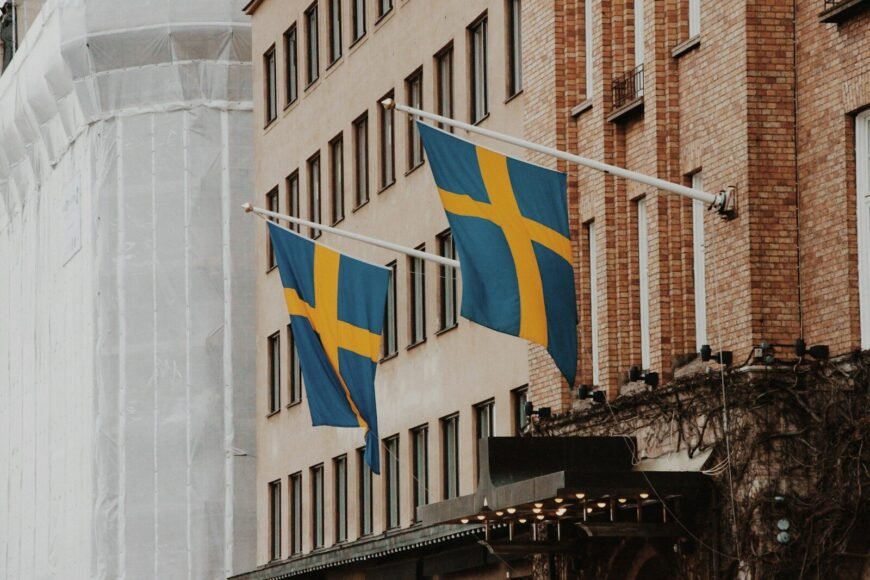
Sweden’s Inflation Remains at 0.7%
Sweden’s central inflation measure stayed well below the central bank’s target in August, according to preliminary figures released on Monday, intensifying the discussion over interest rates and household finances less than a week before the national election.
The annual inflation rate monitored by CPIF, wh
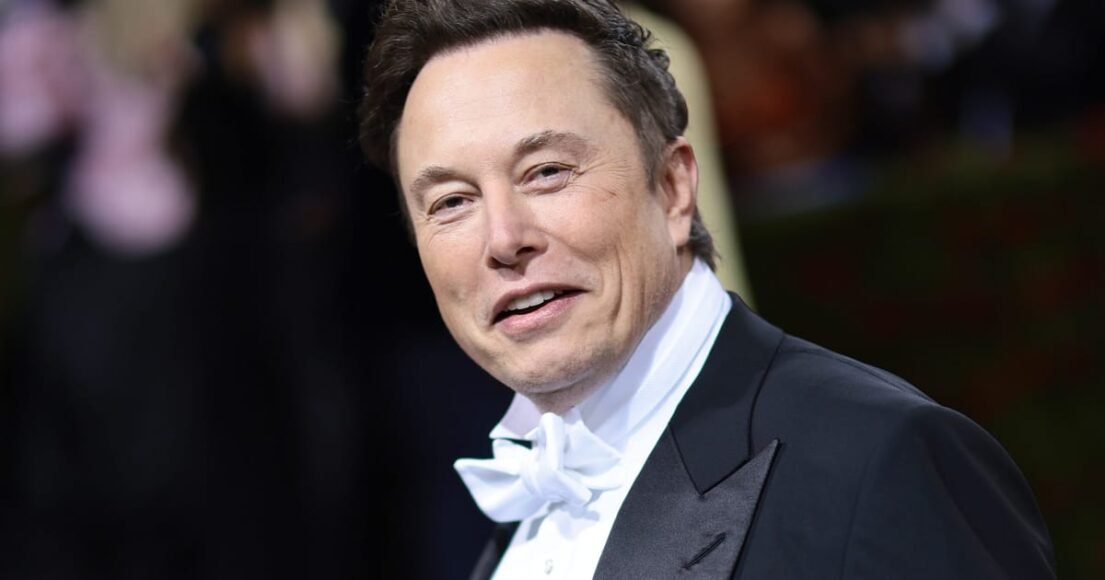
Musk Celebrates, Tusk Despairs: Global Reactions to AfD’s Election Victory
Allies across Europe celebrated. Italy’s Deputy Prime Minister Matteo Salvini congratulated his “friend” Weidel, saying: “Another Europe is possible.” Austri
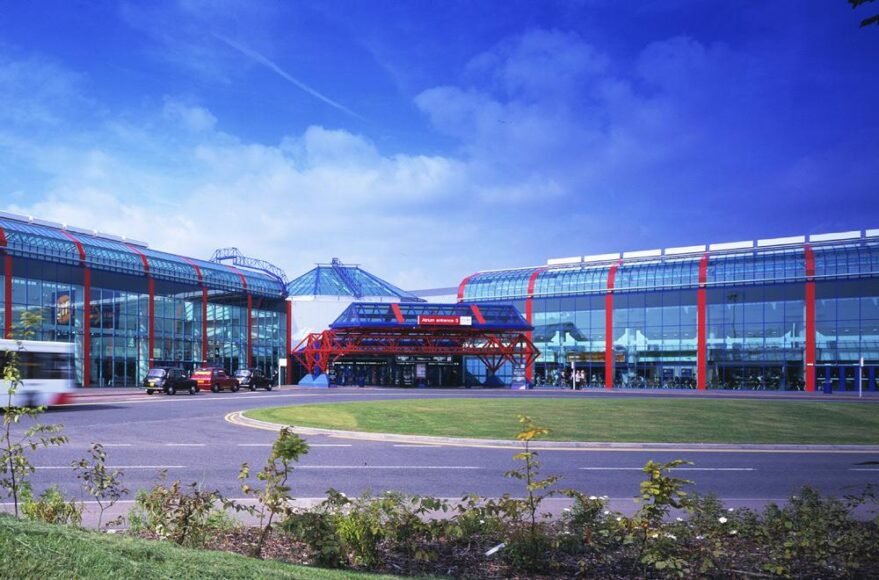
Reform UK Officials Resign Amid Electoral Law Allegation in Birmingham
Birmingham, 4 September (Brussels Morning Newspaper) – Two senior Reform UK figures have temporarily stepped down after an undercover investigation raised Reform UK funding claims involving political polling allegedly financed by a foreign donor. The party denies wrongdoing and has launched an internal investigation.
The development came as Reform UK opened its annual party conference in Birming

Taiwan Travelogue Discovers Strength in Dining
Yáng Shuāng-zǐ turns food, translation and thwarted intimacy into a subtle study of colonial rule
Taiwan Travelogue, translated by Lin King, is an enchanting historical novel where abundant meals reveal a stern investigation into empire. Through the bond between a Japanese writer and her Taiwanese interpreter, Yáng Shuāng-zǐ illustrates how affection can be sincere yet distorted by privilege, cl
Germany’s Far-Right Shockwave
As Europe reacts to the AfD’s win, Zoya Sheftalovich and Nick Vinocur engage with Head of Playbook Germany, Hans von der Burchard, t
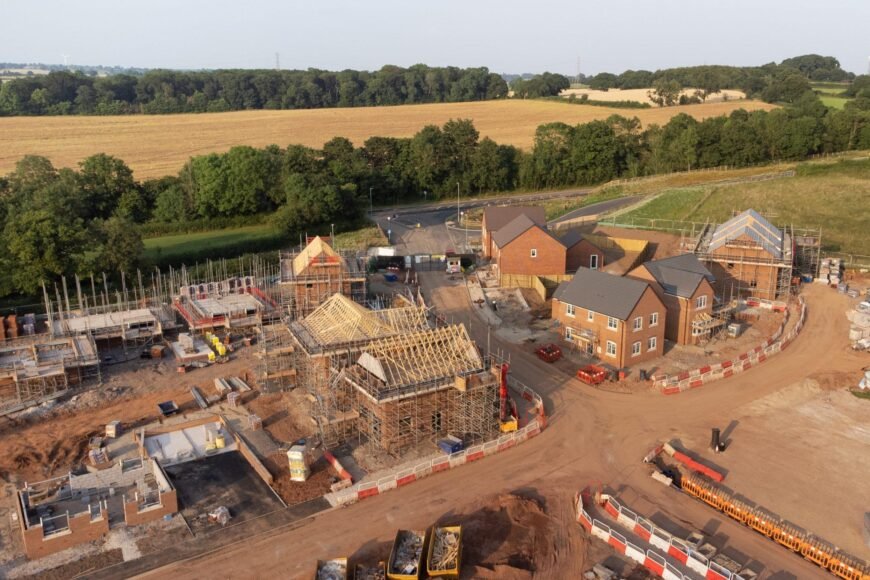
UK Construction Decline Worsens with Sharp Drop in Housebuilding, London
London, 4 September (Eurotoday Newspaper) – Britain’s construction sector contracted for a 20th consecutive month in August as a sharp deterioration in housebuilding outweighed modest improvements elsewhere in the industry. The latest UK construction PMI fell to 44.3, signalling that the sector remains under significant pressure.
The S&P Global UK Construction Purchasing Managers’ Index dec
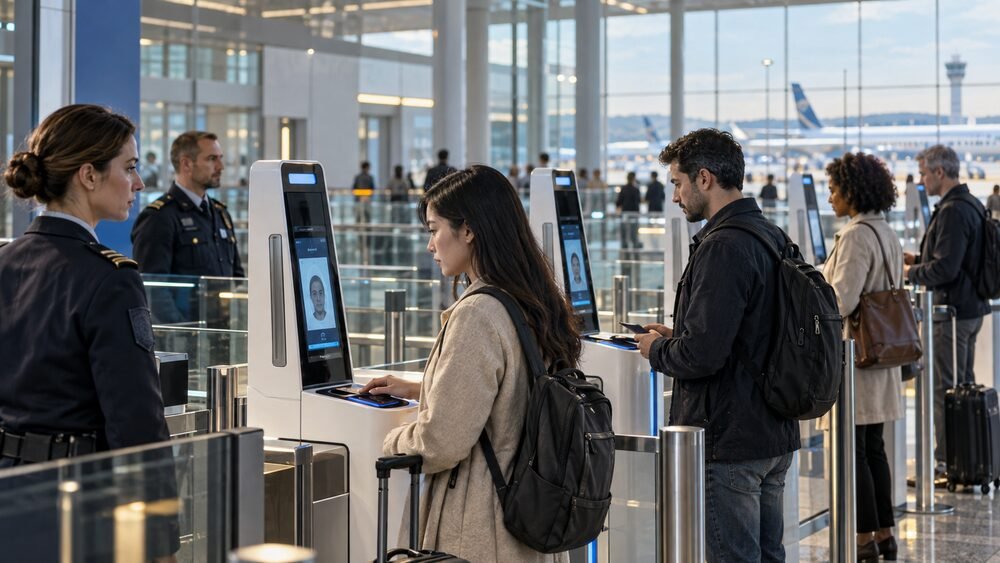
Expiration of EU Biometric Border Safeguard
AITETAI-generated illustrationTransparency information
AI-generated images: One or more images accompanying this report were generated or substantially modified using artificial intelligence. They are illustrative and should not be understood as documentary photographs unless explicitly stated otherwise.
Schengen authorities face pressure to enforce digital checks consistently without allowi
Leave a Reply