



Warsaw (Eurotoday) – Poland also objects to the EU-Mercosur free trade deal with South American countries in its current form, joining France in standing against an arrangement European farmers say will expose them to unjust competition.
Polish Prime Minister Donald Tusk has stated that Poland will not accept the free trade agreement between the European Union and the Southern Common Market (Mercosur) in its current format. The Polish government is meeting to examine a draft resolution drafted by the Ministry of Development and Technology on the negotiations for a free trade agreement between the European Union and the Mercosur bloc, which includes Argentina, Brazil, Paraguay, Bolivia and Uruguay.
What are Poland’s main objections to the Mercosur agreement?
PM Tusk expressed: “The Council of Ministers voices its opposition to the current results of negotiations with Mercosur in the area of agriculture, in particular to the expansion in tariff quotas for poultry meat at the last stage of the exchange of tariff offers.” He further said that it was a political announcement that Poland would not accept the EU-Mercosur deal in its current form. “We are not alone; many member states have a similar opinion,” Tusk said.
French President Emmanuel Macron already reiterated his objection to a contract with Mercosur as proposed during a visit to Argentina this month. France, the EU’s largest agriculture producer, has been trying to persuade other EU members to form a minority coalition against the deal. Moreover, Farmers say the deal with the Mercosur bloc which includes Brazil, Argentina, Bolivia, Paraguay and Uruguay will initiate unfair competition for EU farmers and food makers as it will permit large imports of products that are not bound by the same strict principles they face in the EU.
What is Brazil’s stance on the Mercosur trade negotiations?
On the other hand, Brazil has been trying to have the EU-Mercosur deal signed by the end of the month while it carries the presidency of the G20. Advocates of the deal, including the EU’s biggest economy Germany, state it will open up more markets for their exports.
What is the deal about?
It seeks to create one of the largest free trade zones in the world, surrounding 700 million people and almost 25% of global GDP. Much like the U.S.-Mexico-Canada free trade arrangement, its goal is to decrease tariffs and trade barriers, making it more comfortable for businesses on both sides to export goods. For the EU, the deal would signify lower tariffs on products like cars, machinery and chemicals. Mercosur nations would profit from better access to EU markets for agricultural exports such as beef, poultry and sugar. Negotiations started in 1999 and an initial understanding was reached in 2019, but it remains unsettled due to significant resistance, particularly from France and EU farmers.
Comments
One response to “Poland Aligns with France to Oppose EU-Mercosur Agreement”
-
Just what we needed—a trade deal that promises to make our farmers cry into their borscht while South American beef floods our markets 🌍🥩. Bravo, Tusk and Macron! Nothing like a good old-fashioned food fight to spice up diplomacy, eh? 😏

Last News
Sint-Katelijne-Waver to Open New Public Swimming Pool by 2030
Sint-Katelijne-Waver (Brussel Morning Newspaper) – Sint-Katelijne-Waver has announced plans to build a modern public swimming pool by 2030, aiming to expand swimming access for residents of all ages.
The two swimming pools that are currently in use are too old to be updated. A Flemish subsidy of 4.5 million will be given to the new complex. It must address the increasing need for swimming skills
EU Ambassador to Azerbaijan Denounces Inhumane Treatment of Azeris in Russia
In the Sverdlovsk region, whose capital is Yekaterinburg, the Russian Investigative Committee acknowledged that two suspects di
European Governments Consider Social Media Ban for Minors, Potentially Targeting TikTok
by enr | Jun 30, 2025 | Videos
Several European Union nations are advocating for a ban on social media for individuals under 16. But is such a ban feasible, and is it the appropriate course of action?
[embedded content]
Will platforms like TikTok, Instagram, and YouTube become unavailable to millions of teens in Europe? That’s the aim of a proposal supporte
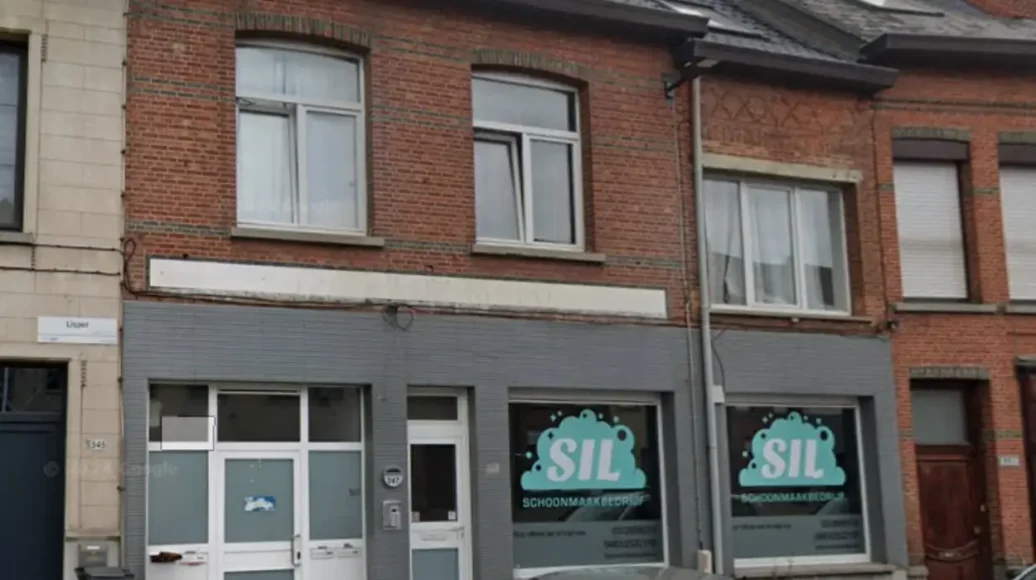
Parents Camp for School Spots at SIL Kontich in 2025
Kontich (Brussels Morning Newspaper) – In June 2025, parents camped outside Sint-Jozefinstituut in Kontich for upper-grade spots. Director Doucha Volckaert says the law blocks digital registration beyond 1st year, causing stress and unfair access.
As VRT News reported, parents in Kontich camped outside the Sint-Jozefinstituut, Belgium, for over a day. They wanted to get their kids into the upper
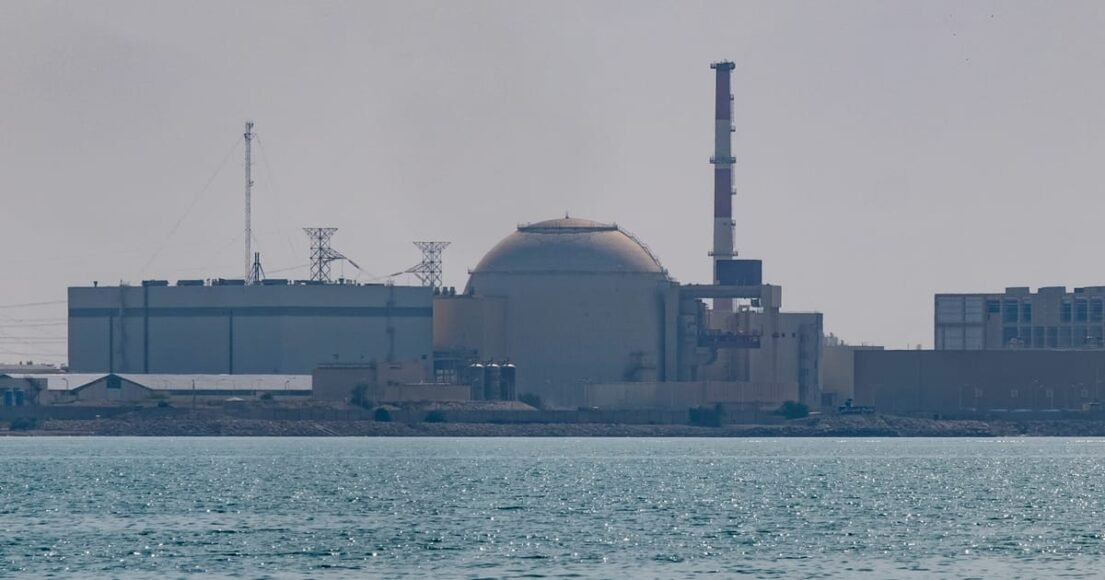
France, Germany, UK Urge Iran to Maintain Cooperation with IAEA
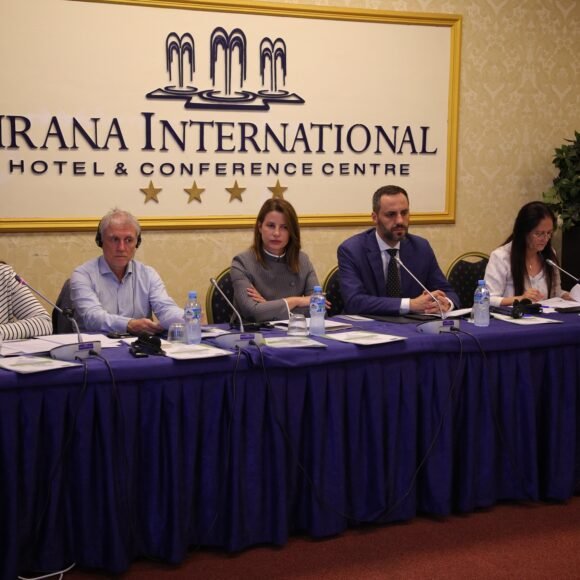
EU-funded initiative for social reutilization of land seized from organized crime in Albania
Executed by COSV in collaboration with ANRD and CGM, and in close partnership with the Agency for the Management of Seized and Confiscated Assets (AAPSK), this project has been funded by the European Commission since
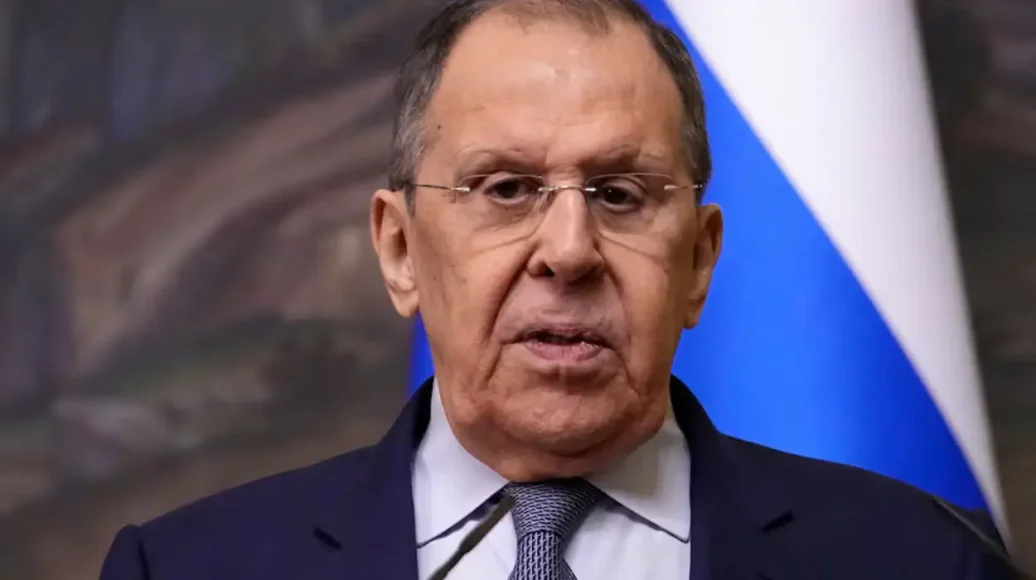
Russia Claims NATO’s Defense Increase Could Lead to Its Collapse
Moscow (Brussels Morning Newspaper) – Russian Foreign Minister Sergei Lavrov stated that NATO members’ decision to boost defence spending would be disastrous for the alliance and could ultimately lead to its demise, state news agency TASS reported on Monday.
In response to NATO allies arranged raise to their collective spending objective to 5% of gross domestic product over the next decade, On M
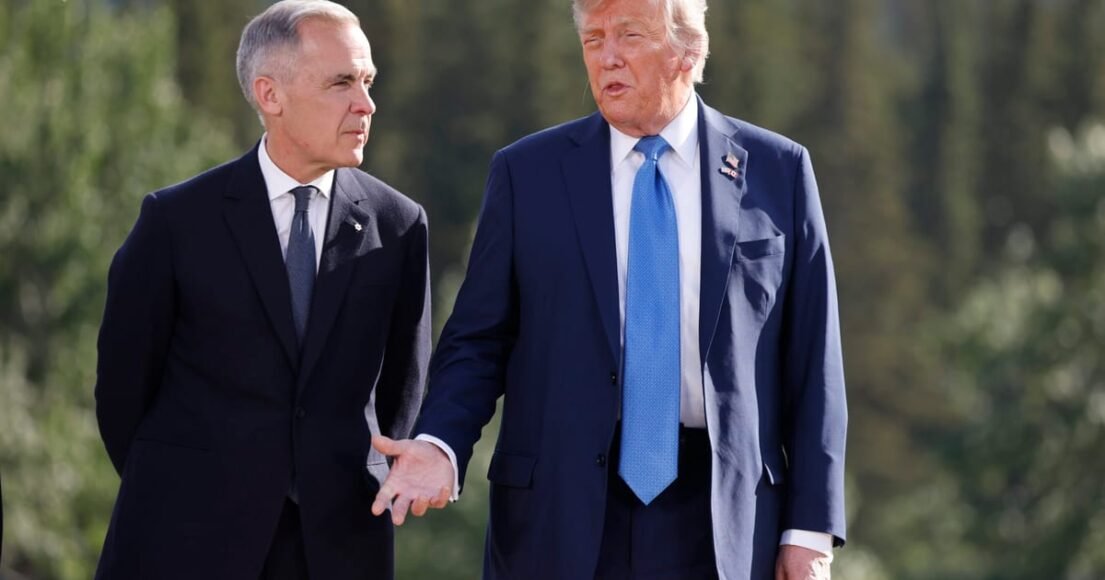
Canada Withdraws Digital Tax to Revive US Trade Talks
Trump has consistently criticized “non-tariff barriers” by other nations, especially those affecting the tech sector.
Britain’s digital services tax has attracted
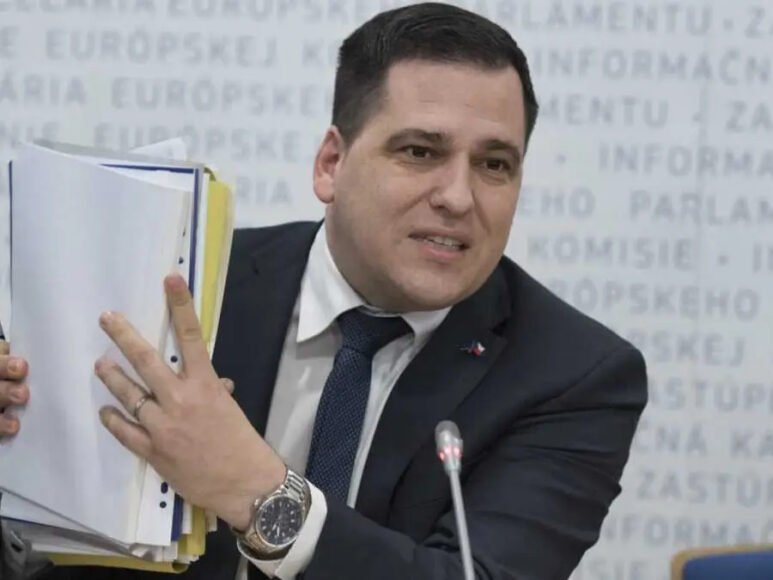
Member of the European Parliament Zdechovský: We identified no discrepancies in EU funds in just three districts of Slovakia
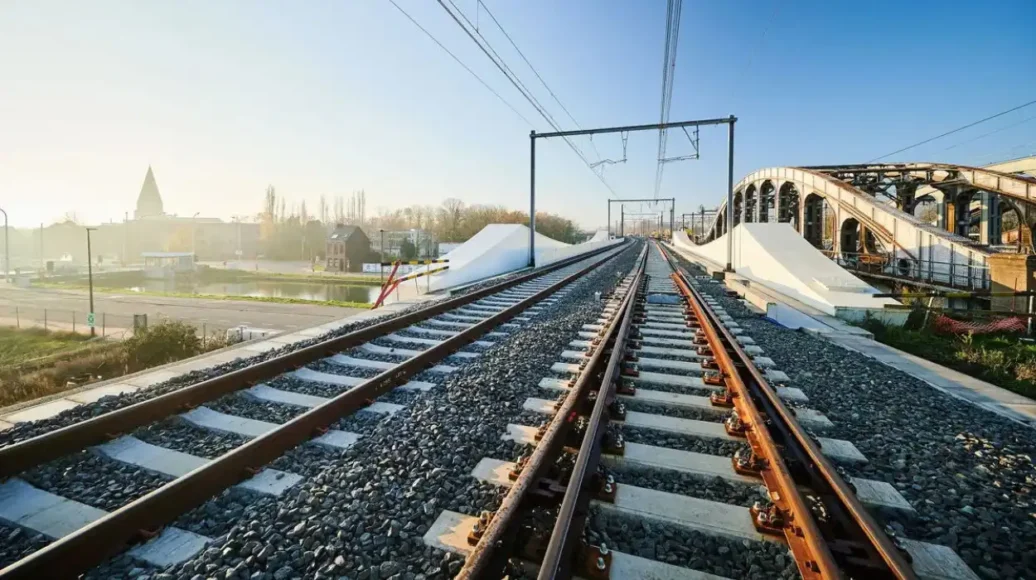
NMBS: Half of Antwerp-Brussels Trains Operational
Mechelen (Brussels Morning Newspaper) – NMBS confirms only half the usual trains will run between Antwerp and Brussels this summer due to Mechelen bridge works, sparking travel disruptions.
Therefore, TreinTramBus, a passenger organization, is requesting that NMBS find a way to permit domestic passengers to travel on the international Eurocity train on the Antwerp–Brussels segment. “That’s not f
Leave a Reply