



OPINION
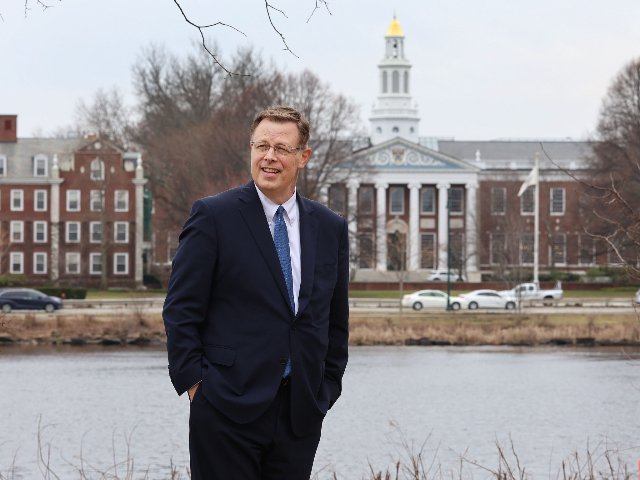
Gabriel Carrion
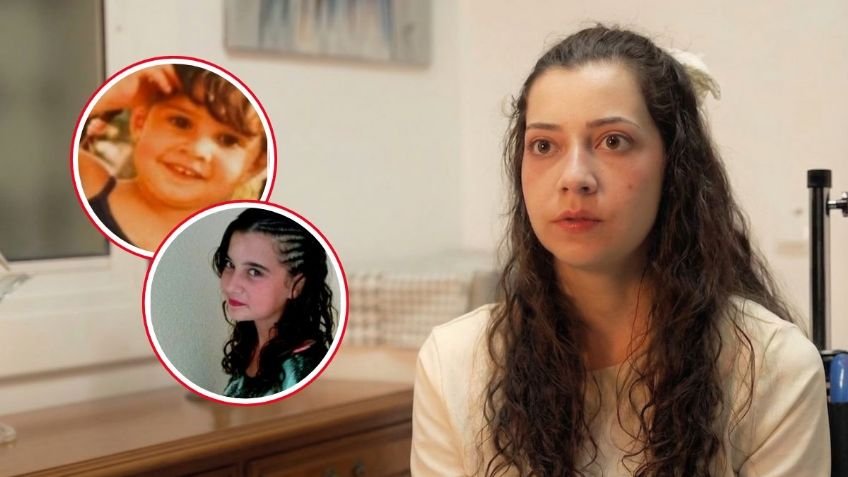
On March 26, 2026, in the evening, I was reviewing the manuscript of my upcoming work when I learned about a 25-year-old girl at the Sant Camil social and health center in Sant Pere de Ribes (Barcelona). She hadn’t been given the chance to mature with dignity and had never received support in her life. Due to lenient euthanasia laws, she chose to end her life.
The previous day, a politician stated that we should respect the choices of those wishing to die with dignity, reflecting a leftist viewpoint. Death is never truly dignified, even if consented to, particularly when driven by circumstances.
I understand situations involving degenerative diseases where individuals, maintaining their mental faculties, decide to end their lives with dignity. I respect this deeply. In similar circumstances, I would desire a professionally assisted, dignified death.
Noelia Castillo’s case differed significantly.
Her circumstances involved three main aspects, according to experts: unresolved traumas, severe psychological suffering, and an illness impacting her life quality. These factors left her feeling hopeless and perceiving her suffering as endless and irreversible, leading her to request euthanasia.
However, little attention is given to her parents’ dire situation—a dysfunctional family seemingly contributing to early drug use, multiple rapes, a series of suicide attempts without proactive intervention, and psychiatric treatment possibly involving medication linked to suicidal thoughts.
Ultimately, as she mentioned, she sometimes lived in dire conditions, without alternatives to escape her situation. Failures were widespread: social services, medical professionals, politicians, judges, and her parents, despite their love.
European authorities also approved her death, with a bureaucrat in Brussels signing off rather than addressing the root of her struggles by improving her living conditions or accurately diagnosing her issues.
Society’s failure is apparent, yet it’s overshadowed by media moving swiftly to the next sensational story. I’ve witnessed this shift from early TV days accused of “trash television” to current practices exploiting emotions for ratings.
Noelia Castillo is no longer with us. Her story may become a platform docudrama or a psychologist’s case analysis, until the next similar narrative arises.
Originally published at LaDamadeElche.com






Leave a Reply