


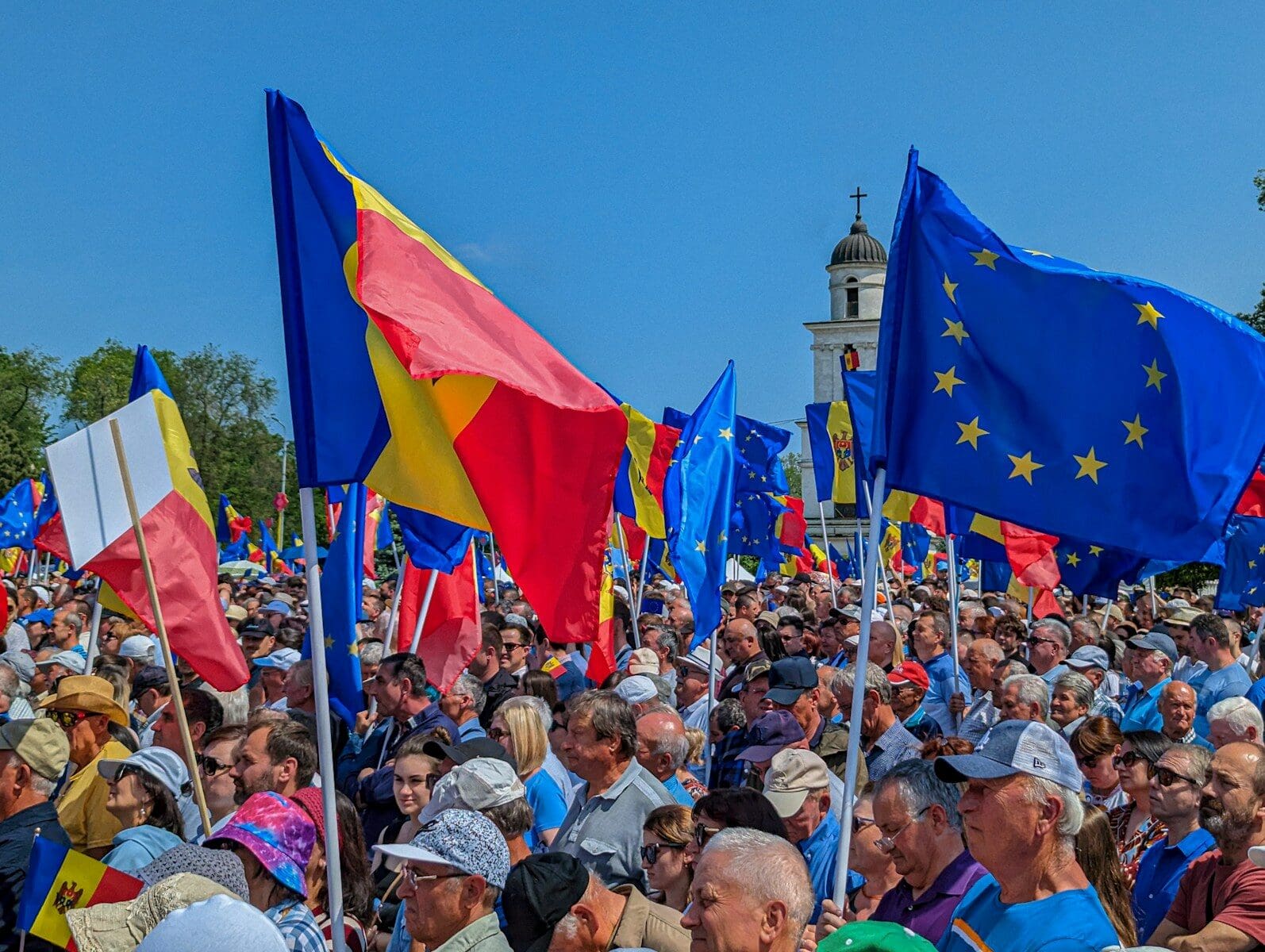
Maia Sandu selects Vasile Tofan as prime minister as Chisinau seeks stability in reform, public trust, and EU accession
Moldovan President Maia Sandu has appointed businessman and investor Vasile Tofan as the next prime minister, starting a two-week parliamentary approval period during a critical phase for Moldova’s EU aspirations. Announced on Saturday, this decision puts economic recovery, administrative reform, and public confidence at the forefront of a government transition in one of Europe’s closely watched candidate countries.
Sandu signed the decree naming Tofan as the prime ministerial candidate following talks with parliamentary factions, according to the Moldovan presidency. If approved, Tofan will succeed Alexandru Munteanu, who stepped down earlier this month after less than a year in the role.
This nomination is more than a change of personnel in Chisinau; it’s a political test of Moldova’s pro-European leadership’s ability to maintain the accession process amidst domestic challenges like economic pressure, institutional scandals, and the rigorous reform pace.
A nomination shaped by Europe and the economy
Tofan, 44, is a financier and managing partner at Horizon Capital, a private equity firm with operations in Ukraine and Moldova. He has ties to Moldova’s wine industry, notably with Purcari, a well-known producer. His professional history suggests Sandu’s effort to prioritize economic credibility and investor confidence in the upcoming government’s agenda.
This focus is significant in Moldova, where EU integration is often discussed geopolitically but experienced through jobs, prices, wages, public services, and institutional integrity. A government that effectively communicates with entrepreneurs, workers, and families may better advocate for necessary yet challenging reforms.
Per Moldova’s constitutional schedule, the prime minister-designate must present a governing plan and cabinet within 15 days and secure a confidence vote. With Sandu’s Party of Action and Solidarity holding parliamentary strength, Tofan has a viable path to approval, though he must show his mandate extends beyond technocratic adjustments.
Accession talks raise the stakes
Moldova’s government transition occurs shortly after the EU and Moldova commenced negotiations on the “fundamentals” cluster of accession, focused on rule of law, democratic institutions, public administration reform, fundamental rights, and economic criteria. The EU Council labeled this a milestone in accession talks.
The fundamentals cluster is crucial, initiated early and scrutinized closely as it asks candidate states to protect courts from political interference, ensure public spending is traceable, credibly combat corruption, and treat rights as more than superficial commitments.
For Moldova, these requirements intersect with immediate governance issues. Munteanu’s resignation followed public scrutiny of state enterprises and broader questions of appointments, oversight, and discipline. While the precise reasons for his exit remain debated, the timing emphasized that accession now involves more than European diplomacy; it concerns daily state conduct.
The European Times previously reported that Moldova’s accession path has shifted from broad promises to a phase where reform must be demonstrated. Tofan’s likely task, if confirmed, will be translating that evidence into government practice swiftly enough to engage both Brussels and Moldovan citizens.
Public trust is the hardest reform
M








Leave a Reply