



Paris (Eurotoday) – The French prime minister, Michel Barnier, is set to resign, a day after his government was toppled by a no-confidence vote just three months after it took office.
Michel Barnier will resign as the shortest-serving prime minister in modern French history. A French government has not undergone a loss of confidence in parliament since 1962, with Georges Pompidou at its helm. The president would address the nation on Thursday evening, the Elysée stated.
How did the no-confidence vote topple Barnier’s government?
Michel Barnier’s eviction comes after snap parliamentary elections this summer, which left a hung parliament with no overall majority, the far right holding a hung parliament with no party having an overall majority and the far right holding the crucial to the government’s survival.
The no-confidence move, brought by the hard left in the National Assembly, came amid a deadlock over next year’s austerity budget after the prime minister forced through a social security financing bill without a vote.
With the critical support of Marine Le Pen’s far-right National Rally, a bulk of 331 MPs in the 577-member chamber voted to expel the government. The National Rally leader, Marine Le Pen, stated, “We had a choice to make, and our choice is to protect the French” from a “toxic” budget. Le Pen also accused Macron of being “largely responsible for the current situation,” adding that “the pressure on the president of the Republic will get stronger and stronger.”
What are the implications of Barnier’s resignation for Macron?
Emmanuel Macron now confronts growing calls to resign, but he has a mandate until 2027 and cannot be pushed out. According to experts, France now risks concluding the year without a stable government or a 2025 budget, although the constitution permits special measures that would prevent a U.S.-style government shutdown. France’s political unrest will further weaken a European Union already spinning from the implosion of Germany’s coalition government, weeks before U.S. President-elect Donald Trump returns to the White House.
Comments
Last News

Ukrainian Doctors Train in Antwerp for Kyiv Burn Centre Supported by Belgium
Antwerp (Brussels Morning Newspaper) – Doctors from Ukraine are acquiring practical experience in Antwerp under the auspices of a Belgian strategy which entails setting up a specific center in Ukraine, specifically in Kyiv, where burns could be effectively managed. This initiative was unveiled in mid-August, 2026 when a delegation paid a visit to Ukraine and included an investment of €10 million
Acquittal in Malta Leaves Daphne Case Unresolved
Businessman Yorgen Fenech has been found not guilty by a Maltese jury of being complicit in the 2017 assassination of investigative journalist Daphne Caruana Galizia. Despite the verdict, which reflects a failure by prosecutors to convince t
The Solo Crusader Against Gianni Infantino
Visitatieschool Students to Use Renovated Cafeteria This School Year
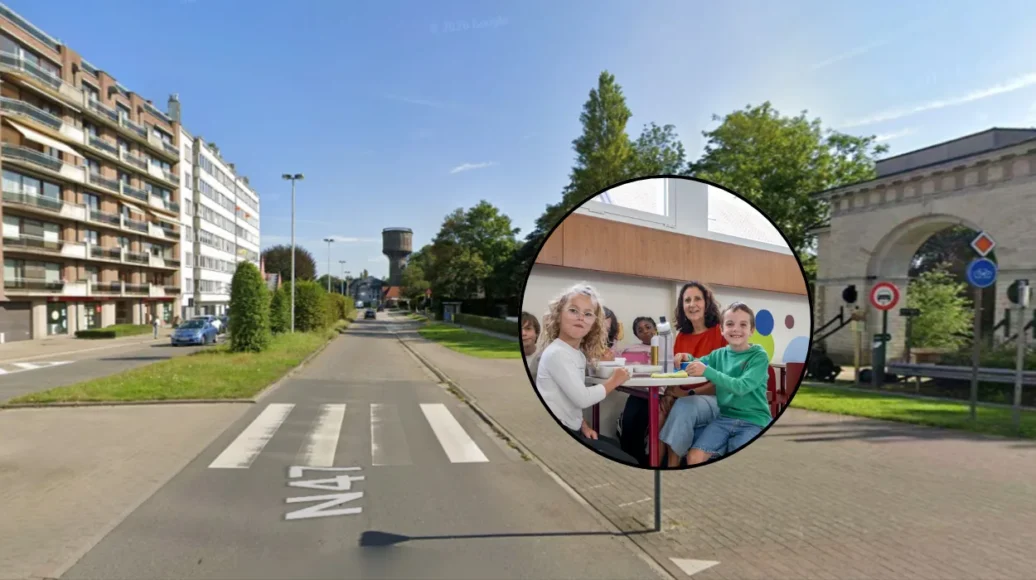
Dendermonde (Eurotoday Newspaper) – Children at Visitatieschool will have lunch in the renovated refectory starting this school year, marking a significant improvement in daily school life for students and staff alike. The announcement comes as schools across Belgium reopen following summer break, with infrastructure upgrades taking centre stage in efforts to enhance the learning environment.
Were All Ottoman Sultans Followers of Sufism?
Early Period
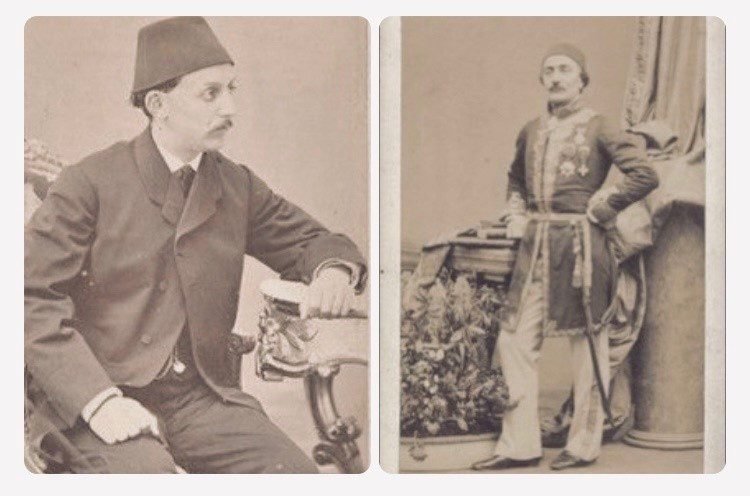
Osman I and his son Orhan were members of the Vefâiyye sufi order led by the legendary grandmaster Edebâlî.
Murad I the Benevolent was a follower of the mystic Seyyid Mehmed Hammârî of Tabriz.
Bayezid I the Thunderbolt was a disciple of the Nurbakhshiyye order grandmaster Emir Sultan.
Mehmed I the Prince followed the Zeyniyye order’s leader Molla Fenari.
Murad II was a Mevlevî under
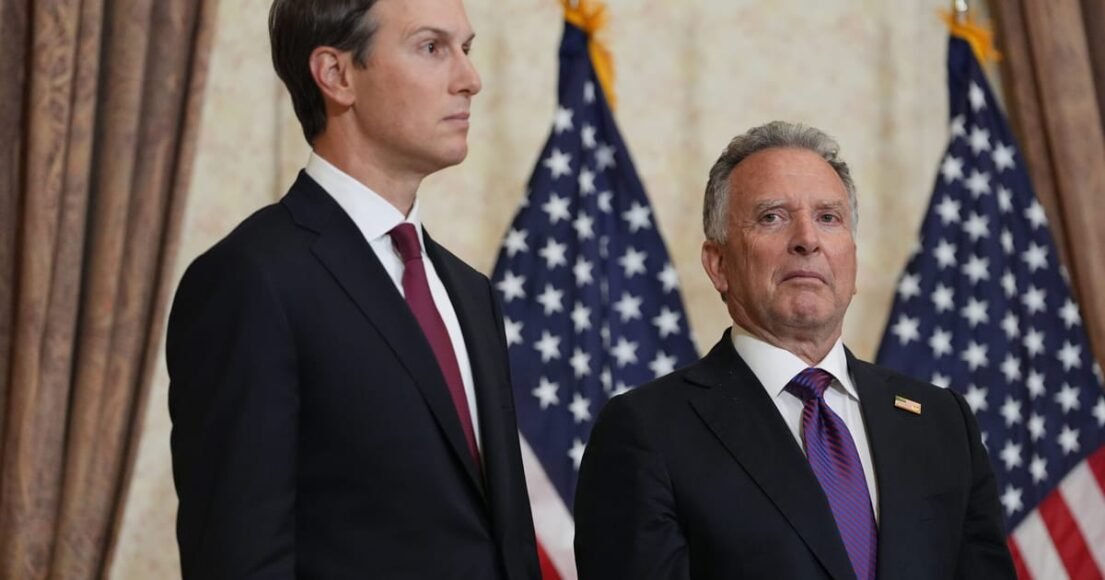
Witkoff and Kushner to Visit Moscow and Kyiv on Sunday
The two men have been important U.S. mediators in the halted Ukraine peace negotiations. Witkoff has taken multiple trips to Moscow for discussions with Russian President Vladimir Putin in 2025 and early 2026 and has met with Zelenskyy in the U.S., Germany, and France. This upcoming jou
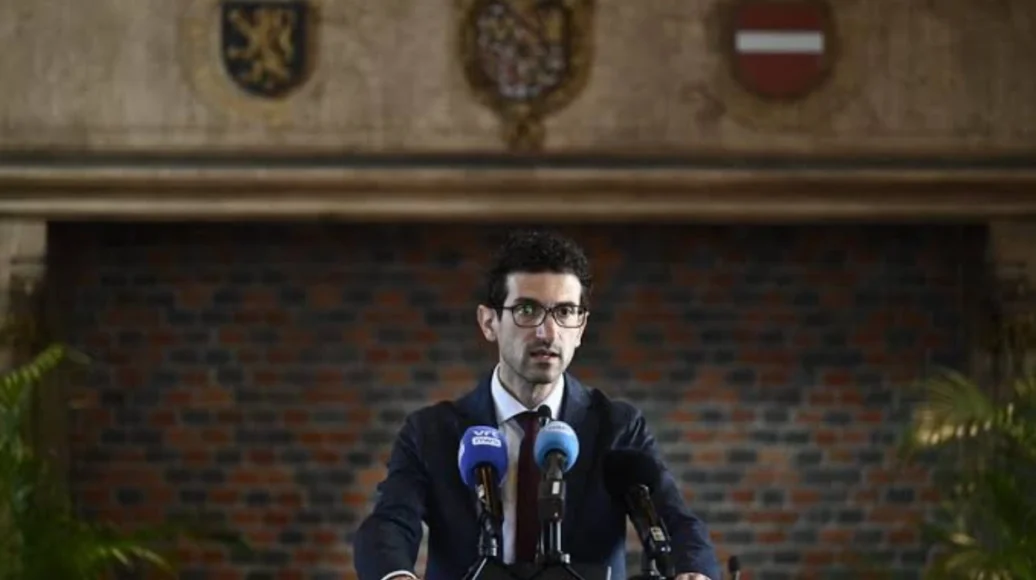
Belgian Jews Condemn Leuven’s Ban on Israeli Club Match as Antisemitic
Leuven (Eurotoday Newspaper) -The Mayor of Leuven, Mohamed Ridouani, has banned the playing of the Europa League game between Union Saint-Gilloise (USG) and Hapoel Be’er Sheva from Israel based on the grounds of safety concerns due to the ongoing war between Israel and Gaza and possible demonstrations. This was revealed at a meeting at Leuven City Council held early September 2026 and is valid w
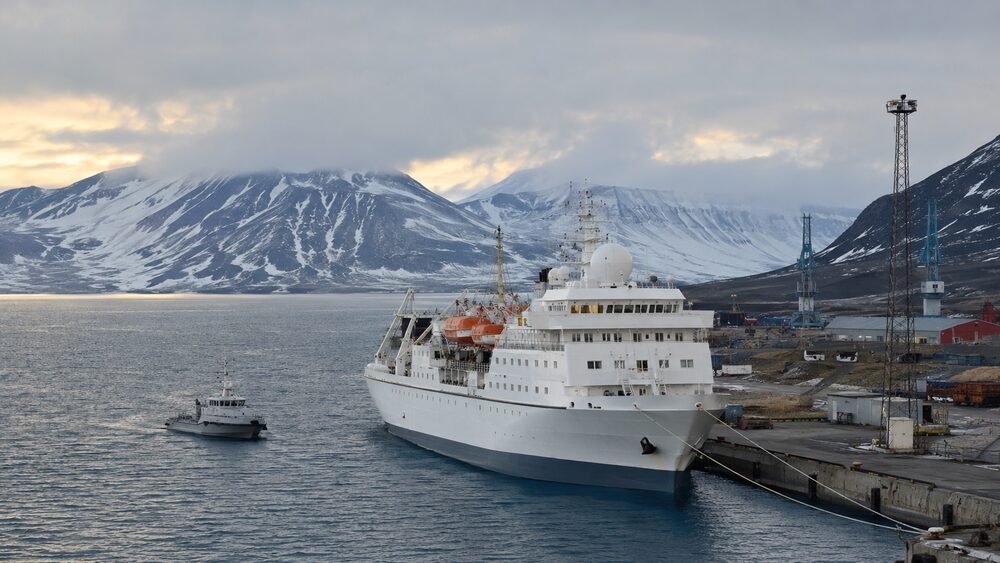
Norway Detains Russian Vessel in Svalbard
The Professor Molchanov was detained
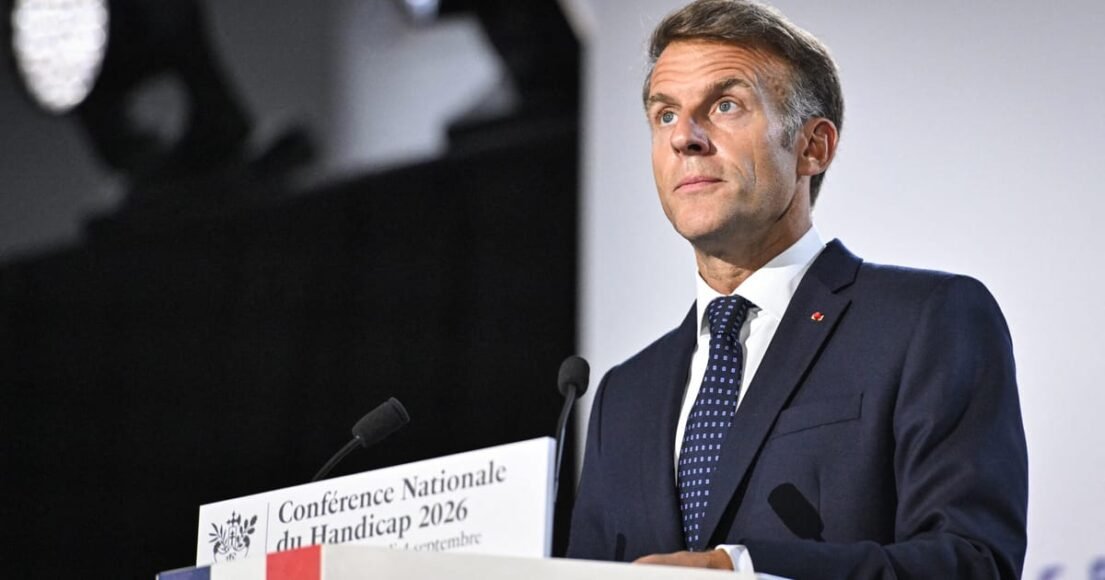
France downplays SpaceX, Blue Origin snub of "worst Macron-organized" summit
“There are American companies participating, and there will be announcements. We do not see a trend of the U.S. turning its back on Europe at this space summit,” stated another Elysée official. Amazon’s satellite business, Amazon Leo, will have o

Aarschot Sushi Restaurant Raises Funds for Nepal Flood Victims
Aarschot (Eurotoday Newspaper) – Sushi Pleintje in Aarschot has launched a fundraiser to support victims of the deadly August 2026 floods in Nepal, hoping to sell at least 100 benefit boxes as local businesses across Europe and beyond mobilize food-based charity drives in response to one of the region’s worst recent disasters.
What is the Sushi Pleintje fundraiser?
In the Flemish municipality of
Leave a Reply